


TL;DR:
- Tinctures are potent herbal extracts used primarily for stress relief, sleep, and digestion, absorbed quickly through sublingual application. Their effects develop gradually with consistent use, requiring careful attention to dosage, quality, and safety considerations. Cannabis beverages provide a flavorful, social alternative to tinctures, offering precise dosing and enjoyable experiences.
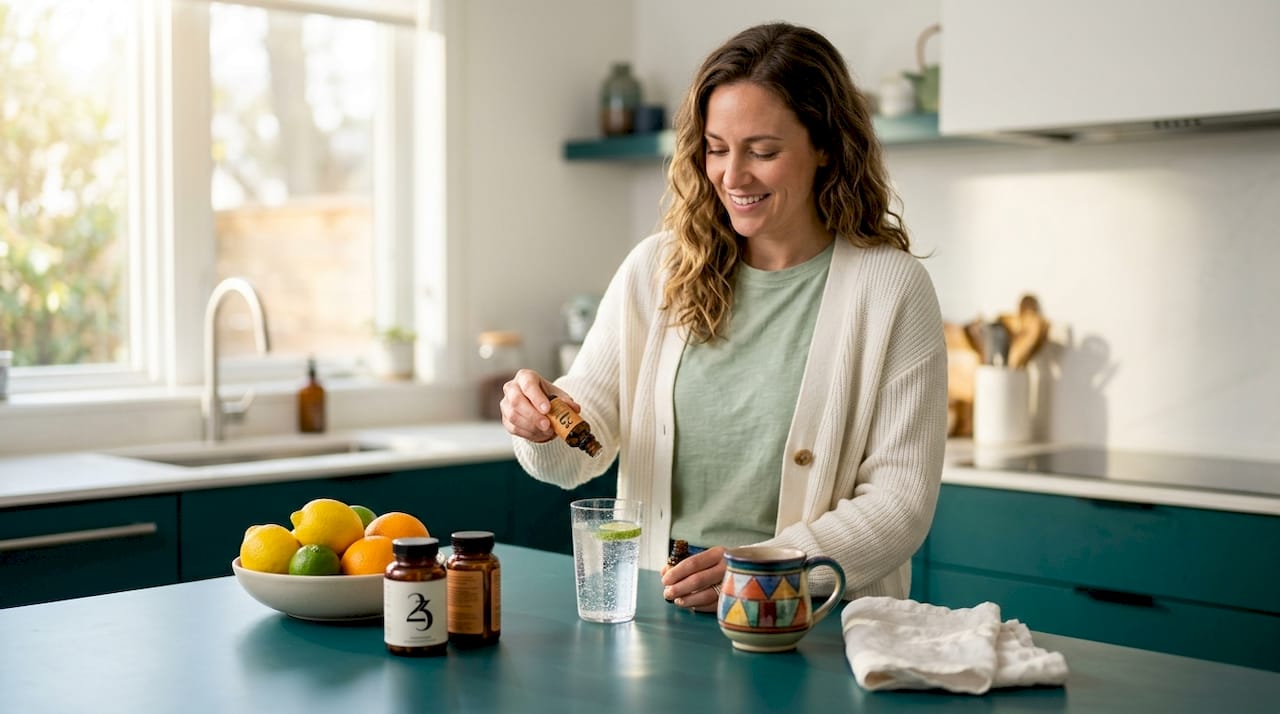
You’ve probably seen those little amber dropper bottles lined up on the shelves of a health food store and wondered what the deal is. The role of tinctures in wellness is genuinely interesting once you get past the mystique — and the confusion. Tinctures are one of the oldest delivery formats in herbalism, yet they’re surrounded by myths: that they act instantly, that “natural” automatically means safe, or that one bottle works the same as any other. None of that is quite right. This article breaks down what tinctures actually are, what they can and can’t do for your health, and how they fit alongside modern wellness tools like cannabis beverages.
Table of Contents
- Key Takeaways
- What the role of tinctures in wellness actually means
- Health benefits of tinctures worth knowing
- Safety, dosage, and choosing quality tinctures
- Tinctures vs. cannabis beverages: how they compare
- How to build tinctures into your daily routine
- My take: tinctures have a real place, but they’re not the whole story
- Explore wellness your way with 23rd State
- FAQ
Key Takeaways
| Point | Details |
|---|---|
| Tinctures are concentrated extracts | They deliver herbal compounds in small measured drops, typically via sublingual absorption for faster onset. |
| Benefits are real but nuanced | Stress relief, sleep support, and digestion are common goals, but evidence varies by herb and individual. |
| Safety requires attention | Alcohol content, drug interactions, and product quality all affect whether a tincture is right for you. |
| Consistency beats single doses | Tincture effects build gradually over days or weeks, so patience and tracking matter more than one-time use. |
| Cannabis beverages offer a flavorful alternative | Products like 23rd State’s SHAKE deliver precise, microdosed THC experiences that complement or replace tincture routines. |
What the role of tinctures in wellness actually means
At their core, tinctures are concentrated liquid extracts made by soaking plant material in a solvent like alcohol or vinegar. The solvent draws out the active compounds from the herb over days or weeks, leaving you with a potent, shelf-stable liquid you take in small drops. That’s it. No complicated ritual required.
The history here is rich. Herbalists have been making tinctures for centuries, long before the supplement aisle existed. Medieval apothecaries used alcohol-based preparations to preserve medicinal plants through winter. Today, the format has been updated with modern extraction controls, but the fundamental idea remains the same: concentrate the good stuff, take less of it, and absorb it efficiently.
There are a few distinct types worth knowing:
- Alcohol-based tinctures: The most traditional format. Alcohol extracts nonpolar compounds more effectively than water, which matters for fat-soluble constituents like certain alkaloids and resins.
- Glycerin-based tinctures: A gentler, alcohol-free option. Good for people avoiding alcohol, though they tend to be slightly less potent.
- Cannabis-derived tinctures: Made from hemp or cannabis flower, these extract cannabinoids like CBD or THC and are taken the same way as herbal tinctures.
The most effective way to use any tincture is sublingually. You place the drops under your tongue, hold for 30 to 60 seconds, then swallow. Why does this matter? Sublingual absorption bypasses first-pass liver metabolism entirely, meaning the active compounds enter your bloodstream faster and more completely than if you just swallowed a capsule.
Pro Tip: If the taste of an alcohol tincture is too sharp, hold it under your tongue for 30 seconds and then chase it with water or juice. You still get full absorption without the burn.
Health benefits of tinctures worth knowing
Tinctures for natural healing covers a wide spectrum. Depending on the herb, you’re looking at potential support for stress, immune function, sleep, or digestion. The catch is that the evidence behind these benefits varies a lot by herb and by person.
Here’s a quick look at the most popular herbs in tinctures and what the research actually suggests:
- Echinacea: May slightly reduce cold duration, but results vary widely across studies.
- Ashwagandha: Has some of the stronger clinical backing for stress and cortisol reduction among adaptogens.
- Lemon balm: Associated with mild calming effects and sleep support. Popular in tinctures for stress relief.
- Chamomile: Widely used for relaxation and digestive comfort, with a long traditional track record.
- Tulsi (holy basil): An adaptogen used in Ayurvedic tradition for stress and cognitive clarity.
One genuinely surprising area of emerging research is digestion. Bitter herbal extracts activate taste receptors in the stomach lining, which can stimulate gastric acid secretion and support healthy digestion. This isn’t just folk wisdom. It points to a real physiological mechanism behind why bitter herbs like dandelion and gentian have been used for digestive complaints for so long.
“The evidence for tinctures isn’t black and white. Some herbs have moderate clinical support, others rely almost entirely on traditional use, and a few have been studied enough to raise caution flags.” This is the kind of honest framing that separates smart wellness choices from impulse buys.
The word “natural” can be reassuring but misleading. Plenty of herbs interact with prescription medications or affect hormones. The health benefits of tinctures are real for many people, but they come with the same need for informed decision-making as any supplement category.
Safety, dosage, and choosing quality tinctures
Tinctures are active products. Treating them casually is where most people run into trouble. Here’s a grounded approach to using them well:
- Check the alcohol content. Most alcohol-based tinctures contain 25 to 60% alcohol. For people with liver conditions, those in recovery, or anyone on medications affected by alcohol, this matters. Look for glycerin-based alternatives if this applies to you.
- Consult a healthcare provider before mixing with medications. Certain herbs, like St. John’s Wort, are well-documented to interfere with pharmaceuticals. This is non-negotiable if you take daily medications.
- Read the label carefully. Quality tinctures list the herb (with Latin name), the extraction ratio, the solvent, and the recommended dose. Vague labels are a red flag.
- Start at the lowest suggested dose. Even well-researched herbs can cause reactions. Give your body a week at a starting dose before adjusting.
- Store correctly. Keep tinctures in a cool, dark place. Amber glass bottles help protect against light degradation, but heat and humidity are also enemies of shelf life.
Tincture safety depends on the specific herb, dose, your alcohol tolerance, and any current medications. That’s four variables that can each shift the outcome. The good news is that with a little care, most tinctures are perfectly safe for healthy adults.
Pro Tip: Look for tinctures from brands that publish their extraction method and source transparency. “Wildcrafted” or “organically grown” are good signs, but third-party testing results are the real gold standard for quality.
Tinctures vs. cannabis beverages: how they compare
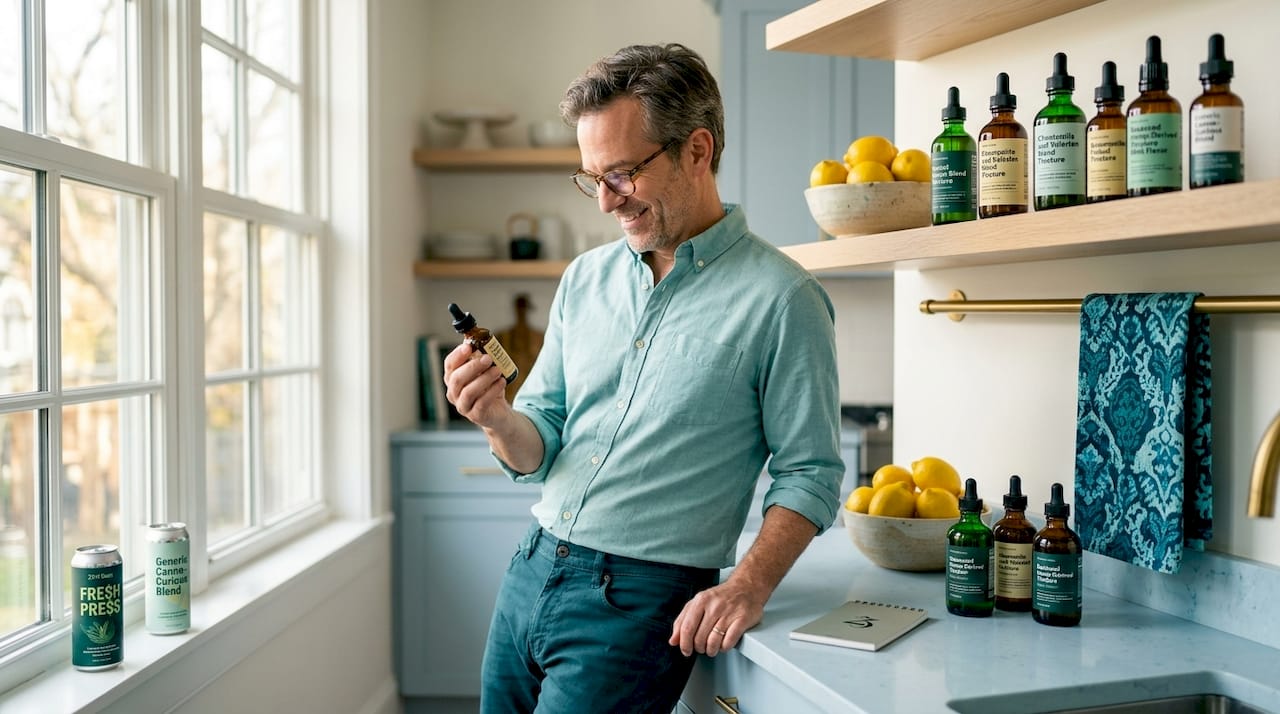
Tinctures and cannabis beverages both live in the natural wellness space, but they deliver very different experiences. Understanding the differences helps you pick the right tool for the moment.
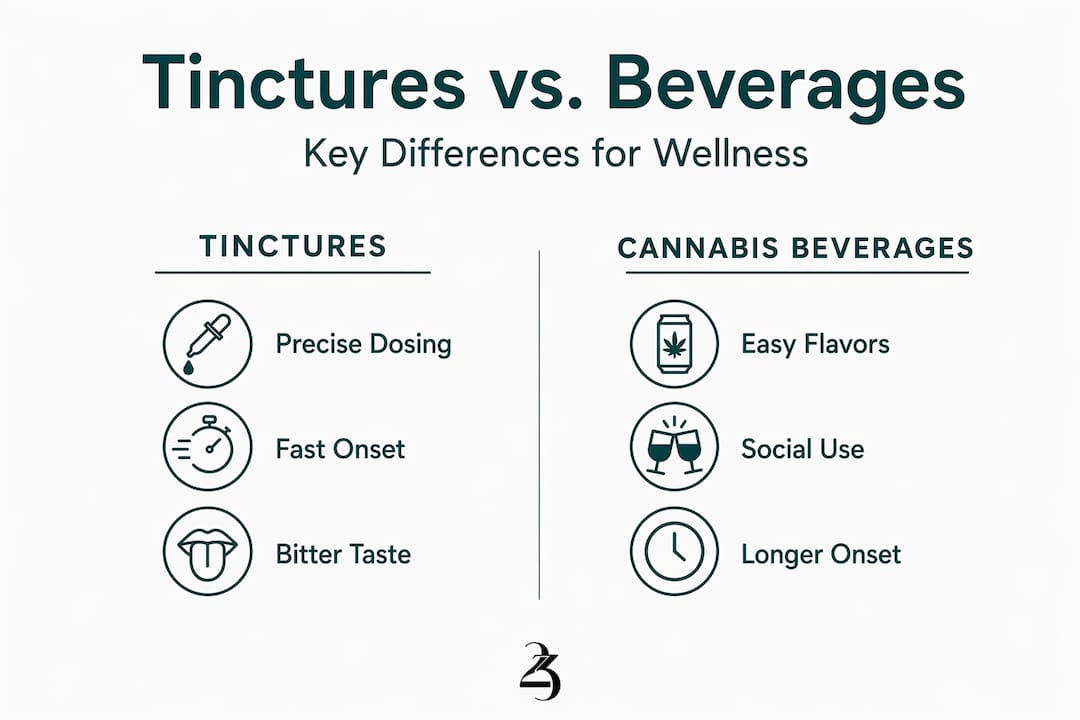
| Feature | Herbal or Cannabis Tincture | 23rd State Cannabis Beverage |
|---|---|---|
| Onset time | 15 to 30 minutes (sublingual) | 15 to 45 minutes |
| Dosing precision | High (drops measured) | High (fixed mg per can) |
| Flavor experience | Often bitter or earthy | Bright, fruity, crafted flavors |
| Portability | Very portable (small bottle) | Canned, ready to share |
| Social experience | Solo, functional | Social, celebratory |
| Best for | Daily supplement routine | Wind-down moments, gatherings |
Cannabis tinctures can absolutely be mixed into drinks, which is where things get creative. You can mix THC tinctures with drinks to mask the earthy taste while keeping dosage precise. But if you want something that’s already crafted, ready to pour, and genuinely delicious, 23rd State’s lineup answers that call directly.
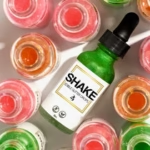
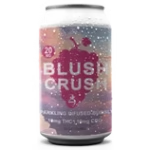
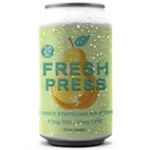
SHAKE is a sparkling, microdosed THC beverage designed for people who want the chill without the commitment of a full dose. FRESH PRESS brings a clean citrus brightness that pairs beautifully with active days or social afternoons. Blush Crush lands in a rose-tinted, softly sweet spot that’s perfect for evenings when you want something that feels a little special. All three offer the advantages of THC-infused products with clear dosing, quality ingredients, and flavors that don’t taste like a supplement cabinet.
How to build tinctures into your daily routine
Starting a tincture routine that actually sticks comes down to intention and habit design. Here’s a practical approach:
- Pick one goal, then pick one tincture. Stress? Try ashwagandha or lemon balm. Sleep? Chamomile or valerian. Immune support during a rough season? Echinacea. Don’t stack five new tinctures at once.
- Choose a consistent time. Morning tinctures pair well with coffee or tea rituals. Evening tinctures work beautifully as part of a wind-down routine. Consistency is what turns a supplement into a habit.
- Use the sublingual method. Hold it under your tongue, wait 30 seconds, then swallow. This gives you faster absorption than just drinking it in water.
- Keep a simple log. Note how you feel each morning or evening for two weeks. Tincture effects build gradually over days or weeks, so without tracking, subtle changes are easy to miss.
- Don’t chase big results fast. Expecting an herbal tincture to work like ibuprofen is the fastest way to give up on it before it has a chance. Adjust your dose gradually and give it at least two to four weeks.
- Store safely at home. Keep tinctures out of reach of children, away from heat, and clearly labeled if you have multiple bottles.
How tinctures support wellness is largely about showing up consistently, adjusting thoughtfully, and pairing them with other healthy habits rather than treating them as a magic fix.
My take: tinctures have a real place, but they’re not the whole story
I’ve talked with a lot of people who picked up a tincture at a wellness market, took it for three days, and declared it didn’t work. What I’ve learned is that the gap between expectation and reality is the biggest obstacle in this category.
In my experience, tinctures work best when you treat them as one piece of a broader wellness picture. They’re patient tools. They ask something of you: consistency, attention, and an honest relationship with your own body. That’s genuinely valuable, but it also means they’re not ideal for every moment or every personality.
What I’ve also found is that cannabis wellness products can fill the moments where tinctures feel too clinical or too slow. A beautifully flavored THC beverage at a Friday gathering, or a SHAKE cracked open after a long week, delivers something a tincture in a dropper bottle simply can’t. It’s joyful. It’s social. It’s present-tense wellness rather than long-game supplementation.
Both have their role. The best wellness routines I’ve seen make space for both the slow, intentional work of herbal support and the bright, celebratory moments that remind you why you’re taking care of yourself in the first place.
— 23rd
Explore wellness your way with 23rd State
If tinctures have sparked your curiosity about what plant-based wellness can feel like, 23rd State’s hemp-derived cannabis beverages are a natural next step worth exploring.
SHAKE, FRESH PRESS, and Blush Crush each bring something distinct to the table: precise microdosed THC, transparent ingredient lists, and flavors that actually make self-care feel celebratory. Whether you’re sober-curious, exploring hemp-derived options for the first time, or looking for something that fits a wind-down ritual as well as a dinner party, there’s a 23rd State pour for that moment. Explore the full lineup at 23state.com and find your ideal way to celebrate feeling good.
FAQ
What are tinctures used for in wellness?
Tinctures are used for a range of wellness goals including stress relief, sleep support, immune function, and digestion. The specific benefit depends on the herb and how consistently the tincture is used.
How long does it take for tinctures to work?
When used sublingually, tinctures can begin absorbing within minutes, but meaningful effects from herbal tinctures often build over several days or weeks of consistent use.
Are tinctures safe to take every day?
Most herbal tinctures are safe for daily use in healthy adults at recommended doses, but alcohol content and potential drug interactions mean you should check with a healthcare provider if you take medications or have a health condition.
How do tinctures compare to cannabis beverages?
Tinctures offer precise dosing and functional wellness support but can taste bitter and feel more clinical. Cannabis beverages like 23rd State’s SHAKE deliver similar microdosed experiences with crafted flavors and a more social, celebratory feel.
What should I look for when buying a tincture?
Look for clear labeling with the herb’s Latin name, extraction method, solvent type, and dosage instructions. Third-party testing and source transparency are strong quality indicators worth prioritizing.