



TL;DR:
- Cannabis milligram strength indicates the precise amount of active THC in a product, helping consumers control their experience. Starting with low doses like 1 to 5 mg is safest, especially for beginners, and regulatory limits generally cap servings at 10 mg THC. Understanding both milligrams and THC percentage, along with product chemical profiles, guides effective, safe, and personalized cannabis consumption.
Cannabis milligram strength is the precise measurement of active cannabinoids, primarily THC, expressed in milligrams (mg) per serving or package. This number tells you exactly how much THC you are consuming, which makes it the single most useful tool for controlling your experience. Whether you are reaching for a 23state SHAKE sparkling beverage on a Friday evening or exploring hemp-derived edibles for the first time, understanding milligram strength is the difference between a glowing, social buzz and an unexpectedly intense night on the couch.
What is cannabis milligram strength and why does it matter?
Milligrams measure the absolute weight of active cannabinoids, giving you a standardized dose across edibles, tinctures, and beverages. This is the industry standard for cannabis potency in processed products. A 5 mg THC beverage and a 5 mg THC gummy contain the same dose of THC, even if they look and taste completely different. That consistency is what makes mg the most reliable number on any cannabis label.
Flower and concentrates typically display potency as a percentage, like 20% THC. That percentage tells you how concentrated the product is, but it does not tell you how many milligrams you will actually consume in one sitting. Milligrams do that job. For beverages, edibles, and tinctures, the mg number is your clearest guide to what to expect.
Regulatory caps in many legal markets are set at 10 mg THC per serving and 100 mg per package as of 2026. Those limits exist because they reflect a dose range that works for most adults without overwhelming newcomers. Knowing this context helps you read any product label with confidence.
How do milligrams guide safe cannabis dosing?
Dosing categories give you a practical framework for choosing your starting point. Here is how the standard tiers break down:
-
Microdose (1–2.5 mg THC): Subtle mood lift, light relaxation, no significant impairment. Ideal for first-timers, daytime wellness use, or social settings where you want to stay sharp. Microdosing THC around 500 mcg to 2.5 mg can reduce discomfort and improve focus without intoxication, which is why it has become a favorite in wellness circles.
-
Standard dose (5–10 mg THC): Noticeable euphoria, relaxation, and mild impairment. This is the most common recreational range and the dose most legal products are built around. Beginners should start at 5 mg and wait before considering more.
-
High dose (25 mg+ THC): Significant impairment, strong sedation, and higher risk of uncomfortable effects. This range suits experienced consumers with established tolerance.
The “start low and go slow” approach is not just a catchy phrase. It is the most effective strategy for building a positive relationship with cannabis. Your body’s response to THC depends on weight, metabolism, tolerance, and even what you ate that day. Starting at 2.5–5 mg gives you room to learn your personal sweet spot.
Onset time also shapes your dosing strategy. Inhaled THC acts within minutes. Edibles and beverages take 30 minutes to 2 hours to reach full effect. Beverages often onset faster than traditional edibles because the liquid format absorbs more quickly.
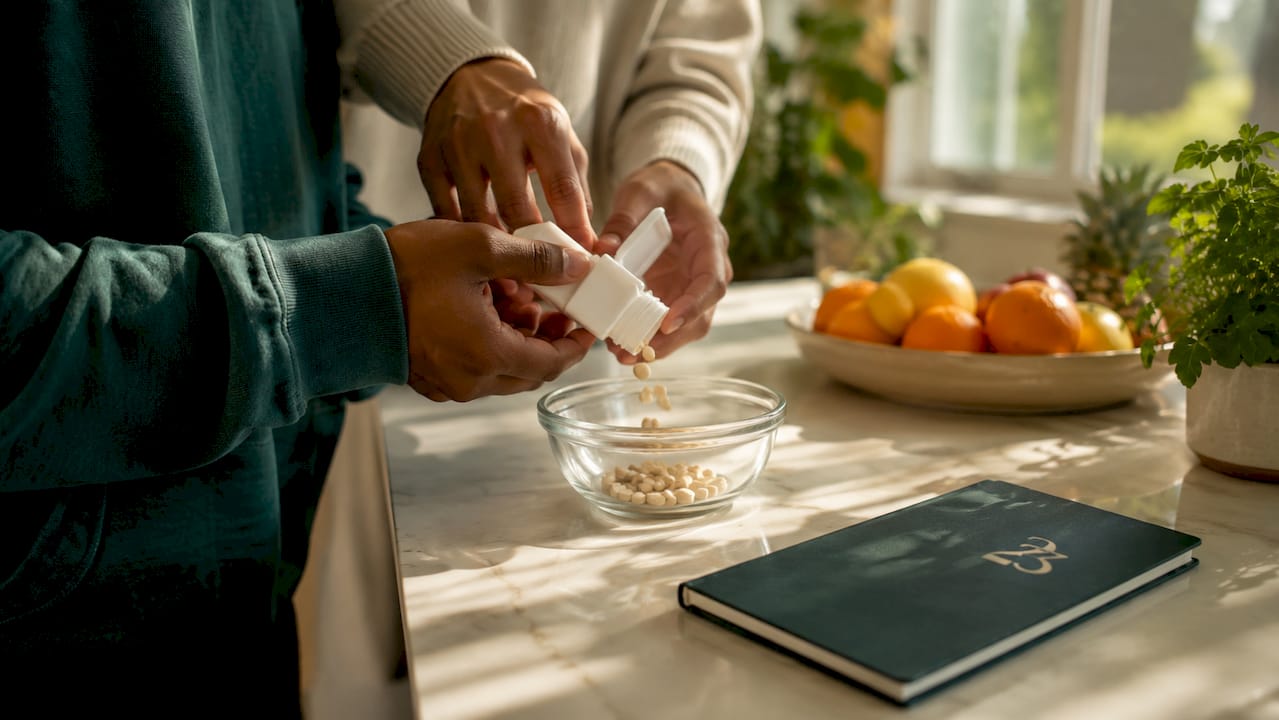
Pro Tip: Never take a second dose of an edible or beverage because you “don’t feel anything yet.” Stacked dosing causes unpleasant experiences when users take multiple doses before onset, leading to much stronger effects later. Wait at least two hours before reassessing.
What do regulations say about cannabis milligram limits?
Legal cannabis markets set specific milligram limits to protect consumers and standardize dosing. Washington State, for example, limits edible servings to 10 mg THC and total packages to 100 mg, with mandatory labeling and measuring devices for multi-serving containers. These rules are designed to make dosing accurate and accessible.
The table below shows how typical regulatory frameworks compare across common product categories:
| Product Type | Typical Serving Limit | Typical Package Limit | Labeling Requirement |
|---|---|---|---|
| Edibles (gummies, chocolates) | 10 mg THC | 100 mg THC | Serving count, mg per serving |
| Cannabis beverages | 5–10 mg THC | 100 mg THC | Serving size, total mg |
| Tinctures | 10 mg THC | Varies by state | Dropper measurement guide |
| Concentrates | No per-serving cap | Varies by state | % THC and total mg |
These limits vary by state, so always check the rules in your market. Hemp-derived THC products sold online, like those from 23state, operate under federal hemp guidelines, which allow up to 0.3% delta-9 THC by dry weight. That framework makes products like SHAKE and Blush Crush widely accessible.
Pro Tip: Always choose products with a verified lab test (called a Certificate of Analysis, or COA). Lab-reported THC content can overestimate true potency, and up to 70% of products may fall outside a ±15% accuracy threshold. A COA from a third-party lab is your best protection against mislabeled products.
THC percentage vs. milligrams: what’s the real difference?
THC percentage expresses potency in flower or concentrates but does not directly convey dose. Milligrams convey dose in processed products. Both numbers matter, but they answer different questions.
Here is a quick breakdown of what each measurement tells you:
- THC % (percentage): How concentrated the THC is within the product. A 25% THC flower is very potent per gram, but the actual mg you inhale depends on how much you consume.
- THC mg (milligrams): The absolute dose in a single serving. A 10 mg beverage delivers 10 mg of THC, full stop.
- Full chemical profile: The combination of THC, CBD, CBG, CBN, and terpenes that shapes your actual experience.
The entourage effect from minor cannabinoids like CBD, CBG, and CBN, along with terpenes, often has a greater impact on your experience than THC milligrams alone. Two products with identical THC mg can feel completely different depending on their broader chemical profile. A 5 mg THC beverage with added CBG may feel more clear-headed and uplifting than a 5 mg gummy with no minor cannabinoids. Focusing only on THC mg misses this complexity.
Experts highlight that synergy of cannabinoids and terpenes defines the true effect more than any single number. This is why 23state formulates products with intentional cannabinoid blends, not just a THC number on a label.
How to choose the right milligram strength for your moment
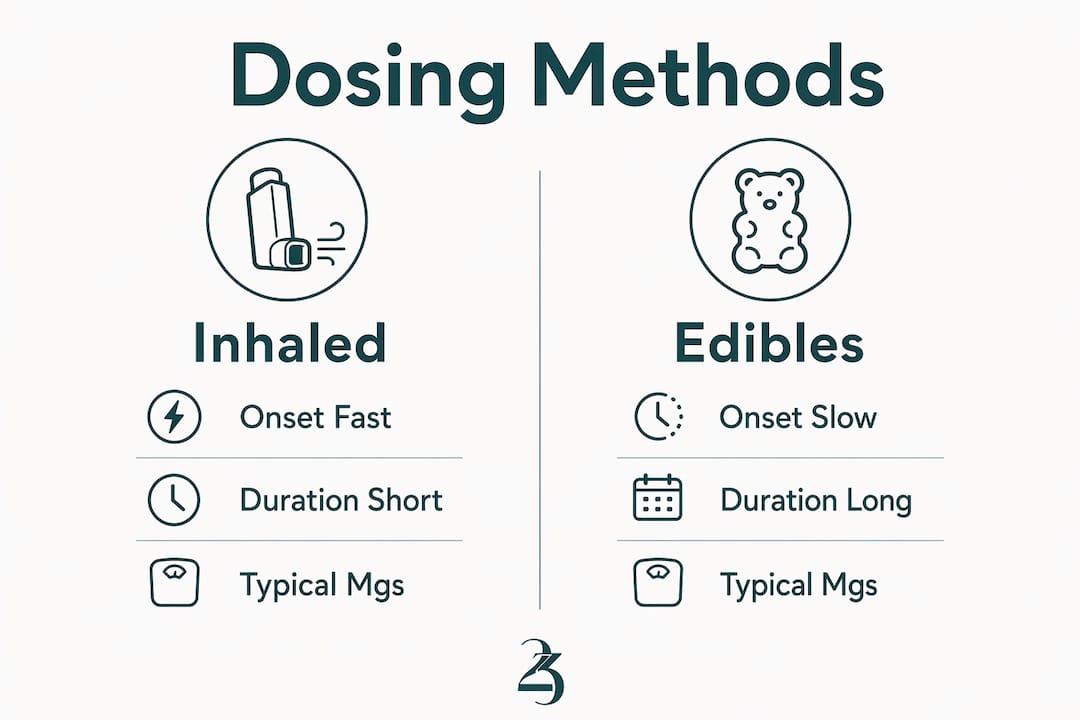
Choosing your mg strength comes down to your goal, your experience level, and the product format you prefer. The table below compares the most common consumption methods to help you decide:
| Consumption Method | Onset Time | Duration | Typical mg Per Serving |
|---|---|---|---|
| Inhaled (flower, vape) | 1–5 minutes | 1–3 hours | Varies (no standard serving) |
| Edibles (gummies, chocolates) | 30 min–2 hours | 4–8 hours | 5–10 mg |
| Tinctures (sublingual) | 15–45 minutes | 2–6 hours | 5–10 mg |
| Cannabis beverages | 15–45 minutes | 2–4 hours | 2–10 mg |
Onset and duration depend on consumption method, which directly affects your dosing strategy. Beverages sit in a sweet spot: faster onset than traditional edibles, shorter duration, and easy portion control. That makes them ideal for social settings where you want a predictable, enjoyable experience.
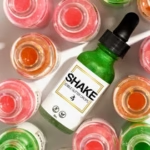
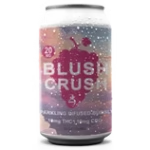
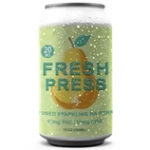
23state’s SHAKE line comes in at 5 mg THC per can, which lands squarely in the standard recreational dose range. Blush Crush offers a lighter, more social-friendly profile. FRESH PRESS delivers a bright, crisp option for those who want something refreshing without overthinking the dose. Each product is clearly labeled so you always know exactly what you are getting.
For relaxation after a long week, a single 5 mg SHAKE is a great starting point. For a brunch with friends where you want to stay present and social, a 2.5 mg option or half a serving of a 5 mg beverage keeps things light and fun. For a wellness wind-down, microdosing strategies starting at 1–2.5 mg support calm without sedation.
Pro Tip: Cannabis beverages are one of the most beginner-friendly formats available. The liquid format absorbs faster than a gummy, the dose is fixed and clear, and you can sip slowly to self-regulate. Start with one can, enjoy the moment, and give yourself a full hour before deciding if you want more.
Key takeaways
Cannabis milligram strength is the most reliable number on any cannabis label, and understanding it transforms every product decision from a guess into an informed choice.
| Point | Details |
|---|---|
| Milligrams measure your dose | THC mg tells you exactly how much active cannabinoid is in one serving. |
| Start at 2.5–5 mg | Beginners get the best results by starting low and waiting before consuming more. |
| Regulations cap most servings at 10 mg | Legal markets set per-serving limits to protect consumers and standardize dosing. |
| THC % and mg answer different questions | Percentage shows concentration; milligrams show the actual dose you consume. |
| Full chemical profile matters most | Cannabinoids like CBG and CBN, plus terpenes, shape your experience beyond THC alone. |
My take on navigating milligram strength
I have seen a lot of people get tripped up by the same mistake: they fixate on the THC number and ignore everything else on the label. A 10 mg gummy from one brand and a 10 mg beverage from another are not the same experience. The format, the chemical profile, and even the time of day you consume it all play a role.
What I find genuinely exciting about where cannabis beverages are right now is the precision. When 23state puts 5 mg on a SHAKE can, that number is backed by third-party lab testing and consistent formulation. You are not guessing. You are choosing. That shift from uncertainty to confidence is what makes this category so worth exploring.
Microdosing is also underrated as a starting strategy. A lot of people assume cannabis has to be a big, noticeable experience. But 1–2.5 mg can add a warm glow to a social evening without changing how you feel or function. That is a genuinely useful tool for wellness-minded adults who want to participate in the category on their own terms.
My honest advice: treat your first few experiences as calibration sessions. Pick a clear mg dose, note how you feel, and adjust from there. The goal is joy, not intensity.
— 23rd
Find your perfect dose with 23state
Ready to put this knowledge to work? 23state makes it easy to start with confidence.
SHAKE, Blush Crush, and FRESH PRESS each come with clear milligram labeling, third-party lab testing, and flavor profiles designed for real moments: Friday wind-downs, sunny brunches, and everything in between. Every can is a fixed, predictable dose so you never have to guess. Whether you are brand new to cannabis beverages or looking to refine your routine, explore 23state’s full lineup and find the mg strength that fits your vibe. Your next great evening starts with knowing exactly what is in your glass.
FAQ
What is cannabis milligram strength?
Cannabis milligram strength is the amount of active THC, measured in milligrams, contained in a single serving of a cannabis product. It is the standard dosing unit for edibles, beverages, and tinctures.
How many mg of THC should a beginner start with?
Beginners should start with 1–5 mg THC and wait at least two hours before considering more. Starting low gives your body time to respond and helps you find your comfortable dose.
Why do cannabis beverages onset faster than edibles?
Cannabis beverages absorb through the digestive system more quickly than solid edibles because liquids process faster. Onset typically occurs within 15–45 minutes, compared to 30 minutes to 2 hours for traditional edibles.
Is a higher THC percentage always stronger?
Not necessarily. THC percentage measures concentration in flower or concentrates, but the actual dose depends on how much you consume. For processed products, milligrams are a more reliable indicator of the dose you will receive.
What is the legal THC limit per serving in cannabis products?
Most regulated markets cap cannabis products at 10 mg THC per serving and 100 mg per package. Hemp-derived products sold federally follow different guidelines based on dry weight THC percentage.