


TL;DR:
- Carriers in tinctures influence absorption speed, bioavailability, flavor, and shelf life, affecting the overall experience. MCT oil is the preferred carrier due to its fast absorption, neutral taste, and stability, while alcohol-based carriers extract more plant compounds and last longer. Choosing the right carrier depends on personal preferences for onset speed, flavor, shelf stability, and therapeutic effects.
Carriers in tinctures are the delivery medium that transports cannabinoids and herbal extracts into your body, and they determine how fast, how well, and how pleasantly that delivery happens. The role of carriers in tinctures goes far beyond being a simple base. Carriers like MCT oil and ethanol directly shape absorption speed, bioavailability, flavor, and shelf life. Whether you are new to hemp tinctures or looking to get more from every drop, understanding what your carrier does changes how you shop, how you dose, and how good the whole experience feels.
How do carriers influence cannabinoid absorption and bioavailability?
Cannabinoids are fat-soluble, meaning they dissolve in fat rather than water. That single fact explains why fat-based carriers improve cannabinoid solubility and absorption so significantly. When cannabinoids bind to a fat like MCT oil, your body recognizes and processes them far more efficiently than it would a water-based formula.

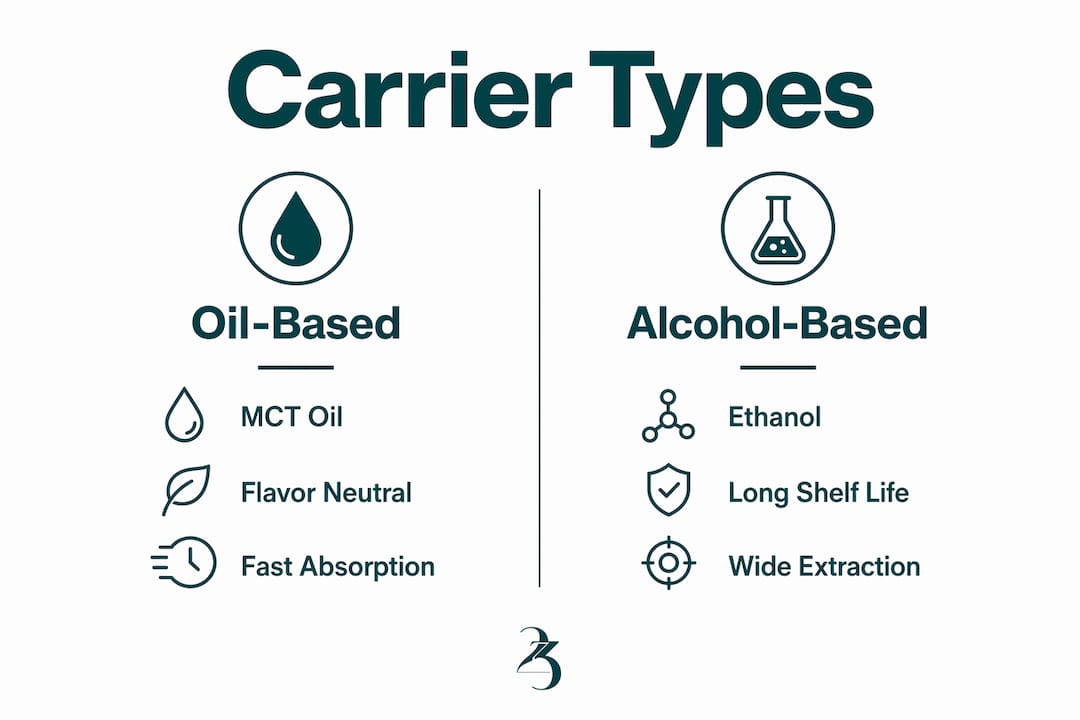
MCT oil, short for medium-chain triglyceride oil, is derived from coconut or palm kernel oil. It absorbs through the hepatic portal system, which is the direct route from your gut to your liver, making it one of the fastest oil-based delivery methods available. MCT oil improves absorption speed and bioavailability compared to heavier oils like olive oil or hemp seed oil, and typical cannabinoid concentrations in MCT-based tinctures run 10–30 mg per serving.
Alcohol-based carriers work differently but just as effectively. Ethanol extracts both water-soluble and fat-soluble compounds from plant material, which means alcohol tinctures tend to carry a broader range of active constituents. Dual-extraction methods using alcohol and water can extract 20–50% more active constituents than single-solvent methods, pushing bioavailability to 80–90%. That is a meaningful difference if you want a full-spectrum experience.
Carrier viscosity also affects how long you should hold a tincture under your tongue. Ethanol-based tinctures absorb faster sublingually because they are thinner and act as natural permeation enhancers. Glycerin-based tinctures are thicker and require a longer hold time to reach the same absorption level.
Pro Tip: Hold an oil-based tincture under your tongue for at least 60 seconds before swallowing. That extra time lets the mucous membranes absorb more cannabinoids directly into your bloodstream, bypassing the digestive system entirely.
What are the common types of tincture carriers and how do they compare?
Not all carriers are created equal, and the differences matter more than most labels let on. Carrier oils directly influence texture, shelf stability, and the sensory experience of tinctures. They are foundational to formulation, not incidental.
Here is how the most common carriers stack up:
| Carrier | Absorption rate | Flavor profile | Shelf life | Best use |
|---|---|---|---|---|
| MCT oil | Fast | Neutral | 12–24 months | Daily sublingual use |
| Hemp seed oil | Moderate | Earthy, nutty | 6–12 months | Nutritional blends |
| Olive oil | Moderate | Grassy, bold | 12–18 months | Culinary tinctures |
| Ethanol (alcohol) | Very fast | Sharp, herbal | 2–5 years | Full-spectrum extraction |
| Vegetable glycerin | Slow | Sweet, thick | 12–24 months | Alcohol-free options |
MCT oil is the industry standard for a clear reason. Formulators choose MCT oil not only for its rapid absorption but also because its flavor neutrality lets the tincture’s terpene profile and cannabinoid effects come forward clearly. Hemp seed oil brings omega-3 and omega-6 fatty acids to the table, which is genuinely nutritious, but its earthy flavor can compete with delicate terpene notes.
Alcohol-based carriers offer the widest extraction range and the longest shelf life. They are the go-to for traditional herbal tinctures and full-spectrum hemp products. Vegetable glycerin is a solid alcohol-free alternative, especially for people who are sensitive to ethanol, though its thickness slows absorption noticeably.
Pro Tip: If you are flavor-sensitive, choose an MCT oil-based tincture. Its neutral taste lets the natural hemp and terpene notes shine without any competing bitterness or grassy aftertaste.
How do carriers affect tincture flavor, shelf life, and product stability?
The carrier you choose does not just affect how cannabinoids absorb. It shapes the entire sensory experience and determines how long your tincture stays potent on the shelf.
Carrier oils influence how terpenes are perceived and whether they remain stable over time. Terpenes like limonene enhance absorption through mucous membranes, and carrier oils dissolve these terpenes into a stable, homogeneous product. When the carrier degrades, the terpenes go with it, and so does the flavor and effect.
Oil-based tinctures are vulnerable to oxidation. Exposure to oxygen breaks down fatty acids and cannabinoids alike, reducing both potency and flavor quality. Here is what affects stability most:
- Carrier type: MCT oil resists oxidation better than hemp seed oil, which has a higher polyunsaturated fat content and goes rancid faster.
- Production technique: Nitrogen flushing during bottling can extend oil-based tinctures’ shelf life by up to 18 months. Brands that skip this step deliver a product that loses potency and flavor well before the printed date.
- Glycerin sensitivity: Glycerin-based tinctures may require refrigeration because glycerin absorbs moisture from the air, which can encourage microbial growth over time.
- Alcohol advantage: Ethanol acts as a natural antimicrobial, giving alcohol-based tinctures a shelf life of two to five years without refrigeration.
Storage matters too. Keep oil-based tinctures in a cool, dark place away from direct sunlight. Amber glass bottles help by blocking UV light, which degrades cannabinoids and terpenes faster than heat does.
What practical tips help you choose the best carrier for your needs?
Choosing the right carrier comes down to four things: how fast you want effects, how sensitive you are to flavor, how long you plan to store the product, and what kind of experience you are after.
-
Match carrier to onset speed. If you want effects within 15–30 minutes, choose an MCT oil or ethanol-based tincture. Both absorb quickly sublingually. Glycerin-based tinctures take longer, so they suit people who prefer a gradual, gentle onset.
-
Consider your flavor preferences. MCT oil is neutral and lets the hemp and terpene notes lead. Hemp seed oil adds a nutty, earthy layer that some people love and others find overpowering. Alcohol tinctures have a sharp, herbal bite that fades quickly. Glycerin tinctures taste mildly sweet, which makes them popular for people new to tinctures.
-
Think about shelf life and storage. If you use tinctures occasionally, an alcohol-based formula gives you the longest window without degradation. For daily users who finish a bottle in a few weeks, MCT oil is the most practical and pleasant option.
-
Look for terpene compatibility. Terpenes like limonene enhance absorption through mucous membranes, and carrier oils dissolve these terpenes into a consistent product. A carrier that complements your terpene profile amplifies the entourage effect, meaning the combined action of cannabinoids and terpenes working together.
-
Check for third-party testing. A quality carrier means nothing if the cannabinoid content is inconsistent. Look for brands that publish certificates of analysis confirming cannabinoid concentration and the absence of contaminants.
Pro Tip: For sublingual use, hold the tincture under your tongue for 60–90 seconds regardless of carrier type. The longer the contact time with the mucous membrane, the more cannabinoids absorb directly into your bloodstream before you swallow.
You can also explore how carriers work in edibles to see how the same principles apply when cannabinoids are consumed rather than absorbed sublingually.
Key Takeaways
Carriers are as important as cannabinoids themselves in tincture formulation because they determine absorption speed, bioavailability, flavor, and shelf life.
| Point | Details |
|---|---|
| MCT oil is the top carrier | It absorbs fast, tastes neutral, and keeps terpene profiles intact better than most alternatives. |
| Alcohol maximizes extraction | Dual-extraction methods with ethanol pull 20–50% more active compounds and extend shelf life to years. |
| Carrier choice shapes flavor | Hemp seed oil adds earthy notes; MCT oil stays neutral; glycerin adds sweetness. |
| Nitrogen flushing extends shelf life | Brands that use nitrogen flushing during bottling can extend oil-based tincture potency by up to 18 months. |
| Hold time matters | Ethanol tinctures absorb faster sublingually; glycerin requires up to 60 seconds of hold time for comparable results. |
Why carriers deserve more credit than they get
Here is something most tincture labels will never tell you: the carrier is doing more work than the cannabinoid. I have spent a lot of time looking at formulations, and the pattern is consistent. Two products with identical cannabinoid concentrations can deliver completely different experiences based solely on the carrier. One absorbs in 15 minutes and tastes clean. The other sits heavy, tastes grassy, and takes 45 minutes to register.
The biggest misconception I see is that people treat the carrier as filler. They scan the label for CBD or THC milligrams and ignore everything else. But carriers are foundational in tincture formulation because they determine stability, texture, and bioavailability. They are as important as cannabinoids themselves. That is not a minor footnote. That is the whole story.
What I find genuinely exciting is how much room there is to experiment. MCT oil is the reliable daily driver. Alcohol tinctures are the full-spectrum option for people who want everything the plant has to offer. Glycerin is the gentle entry point for newcomers. None of them is wrong. They are just different tools for different moments. The best thing you can do is try one, pay attention to how it feels, and adjust from there. You can also read more about tinctures in wellness to see how carrier selection fits into a broader self-care approach.
— 23rd
23state’s approach to carrier quality and tincture experience
At 23state, carrier selection is not an afterthought. It is one of the first decisions made in formulation, and it shows up in every sip and every drop.
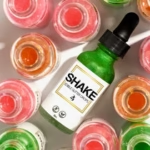
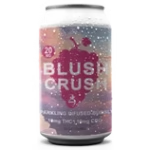
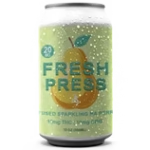
23state uses high-quality carriers across its product lineup, including SHAKE, FRESH PRESS, and Blush Crush, chosen to support fast absorption, clean flavor, and consistent dosing. The goal is a tincture experience that feels as good as it works. Whether you are winding down on a Friday, adding a little sparkle to brunch, or building a daily wellness ritual, the right carrier makes every moment more intentional. Browse the full 23state collection at 23state.com and find the product that fits your vibe.
FAQ
What is the role of carriers in tinctures?
Carriers are the delivery medium in tinctures that dissolve cannabinoids and herbal extracts, making them absorbable through the sublingual tissues. They directly affect absorption speed, bioavailability, flavor, and shelf life.
Why is MCT oil the most popular carrier for hemp tinctures?
MCT oil absorbs quickly through the hepatic portal system, tastes neutral, and resists oxidation better than most other oils. Its flavor neutrality also lets the terpene and cannabinoid profile of the tincture come through without interference.
How does carrier type affect how long a tincture lasts?
Alcohol-based tinctures last two to five years due to ethanol’s antimicrobial properties. Oil-based tinctures typically last 12–24 months, and brands that use nitrogen flushing during production can extend that window by up to 18 months.
Does the carrier affect how fast a tincture works?
Yes. Ethanol-based tinctures absorb faster sublingually because they are thin and act as permeation enhancers. Glycerin-based tinctures are thicker and require a longer hold time under the tongue to reach comparable absorption levels.
Can the carrier change the flavor of a tincture?
Absolutely. MCT oil is nearly tasteless, hemp seed oil adds an earthy and nutty note, and glycerin adds mild sweetness. The carrier you choose shapes the entire sensory experience, including how you perceive the terpenes in the formula.