





TL;DR:
- HHC is a semi-synthetic cannabinoid produced by hydrogenating THC or converting CBD.
- Its effects are milder than THC, with lower anxiety risk and clearer mental clarity.
- Legality varies by jurisdiction, with significant legal gray areas and safety concerns due to inconsistent quality.
Not all cannabinoids play by the same rules. HHC (hexahydrocannabinol) has been quietly gaining attention in the hemp market, but most people still lump it in with THC or CBD without understanding what makes it genuinely different. It sits in a fascinating middle ground: part natural, part lab-made, with effects that feel familiar yet distinct. Whether you’re a wellness explorer or a curious recreational user, knowing how HHC works, what it does to your body, and where it stands legally isn’t just interesting. It’s essential before you ever try it.
Table of Contents
- What is HHC? Origins and chemical makeup
- How HHC affects your body and mind
- Risks, safety, and side effects of HHC
- Is HHC legal? Navigating gray areas
- A balanced take: What most HHC articles miss
- Explore safe, high-quality cannabinoid options
- Frequently asked questions
Key Takeaways
| Point | Details |
|---|---|
| Semi-synthetic cannabinoid | HHC is primarily produced in labs from hemp-derived cannabinoids, not abundantly found in nature. |
| Similar effects to THC | HHC causes euphoria and relaxation like THC, but with a lower risk of anxiety for most users. |
| Important safety concerns | Potential side effects include impairment, mental effects, and contamination risks in unregulated products. |
| Shifting legal status | HHC’s legality depends on your state or country, so always check local laws before purchase. |
| Quality matters most | Choose HHC products with clear lab tests to ensure safety and accurate cannabinoid information. |
What is HHC? Origins and chemical makeup
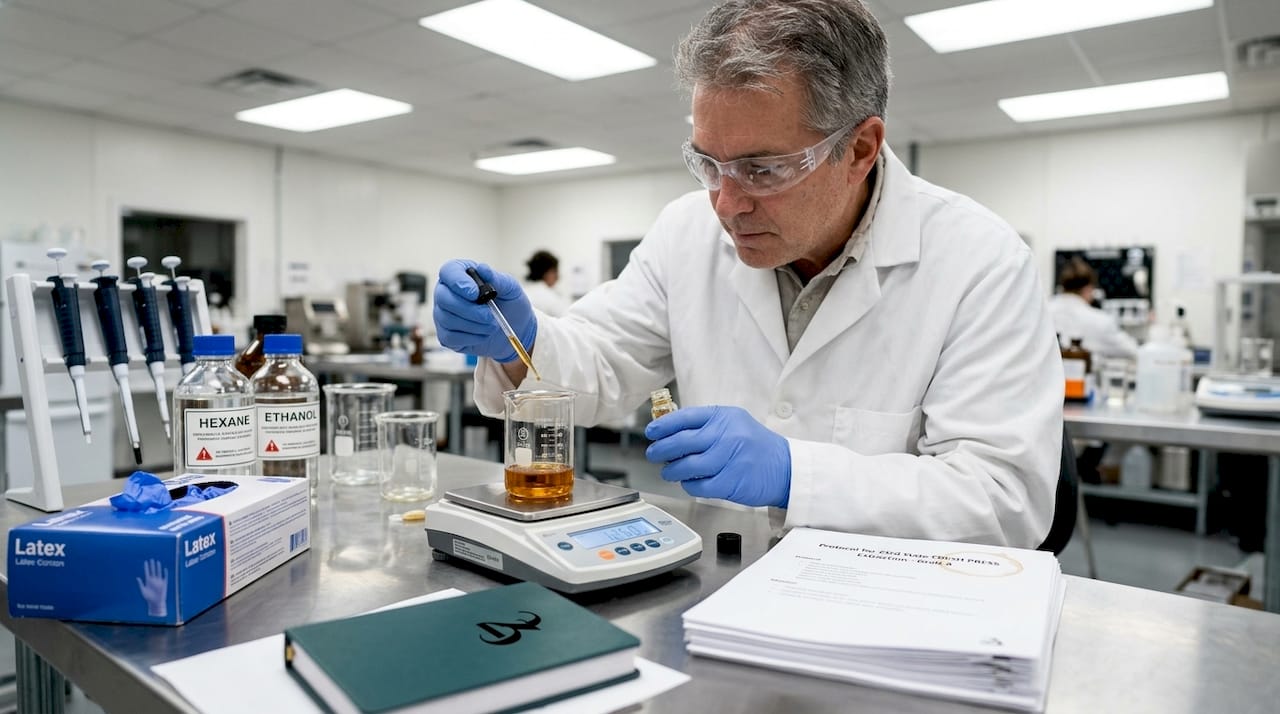
HHC stands for hexahydrocannabinol, a cannabinoid that exists in nature but barely. It shows up in trace amounts in cannabis seeds and pollen, nowhere near enough to extract in meaningful quantities. That’s why the HHC you find in products today is semi-synthetic, produced in a lab either by hydrogenating THC or by converting hemp-derived CBD through a series of chemical steps.
Hydrogenation is the same basic process used to turn vegetable oil into margarine. Scientists add hydrogen atoms to THC’s molecular structure, which saturates the double bonds in the carbon chain. The result is a more chemically stable molecule that resists oxidation and heat better than regular THC. That stability is one reason HHC has attracted commercial interest.
There are two main synthesis routes worth knowing:
| Synthesis route | Starting material | Key property |
|---|---|---|
| Hydrogenation of THC | Delta-9 THC | Highest potency retention |
| CBD conversion | Hemp-derived CBD | Federally compliant starting point |
| Direct extraction | Cannabis plant | Trace yields only, not commercially viable |
The CBD conversion route is particularly popular because it starts from a hemp-derived cannabinoids source, which keeps manufacturers on the right side of federal hemp law. That said, the chemistry involved is complex and the final product quality depends heavily on the lab’s standards.
HHC occupies a genuinely unique space in the cannabinoid world. Unlike classic THC or CBD, it’s neither fully natural nor fully synthetic. That semi-synthetic identity shapes everything from its effects to its legal standing, and it’s the first thing every informed consumer should understand.
One more layer of complexity: HHC production creates two molecular variants called epimers, 9R-HHC and 9S-HHC. These have the same atoms arranged slightly differently in 3D space, and they behave very differently in your body. That distinction matters a lot when you’re evaluating a product.
With the foundation established, let’s examine how HHC feels and how it works in the body.
How HHC affects your body and mind
HHC works by binding to the same cannabinoid receptors as THC, specifically CB1 receptors in the brain and nervous system and CB2 receptors in the immune system. The CB1/CB2 binding produces effects you’d recognize: euphoria, relaxation, altered perception, and a general sense of ease. But the intensity and character of those effects depend on which epimer is doing the work.

9R-HHC binds CB1 receptors effectively and is estimated to carry roughly 70 to 80% of THC’s potency. 9S-HHC, on the other hand, binds much more weakly and contributes little to the psychoactive experience. Most commercial HHC products contain a mix of both, and the ratio isn’t always disclosed on the label.
Here’s how HHC stacks up against THC in practical terms:
- Euphoria: Both produce it; HHC’s version tends to feel slightly smoother and less intense
- Anxiety risk: HHC users report lower anxiety compared to high-dose THC, though it’s not zero
- Mental clarity: Many users describe HHC as clearer-headed than THC at equivalent doses
- Duration: Effects tend to last a similar length of time, though this varies by method of consumption
- Sedation: HHC appears less sedating than some THC products, making it appealing for daytime use
The pharmacokinetics (how the body processes a substance) differ by how you consume it. An oral dose of 25mg peaks in serum concentration between 1 and 2 hours, reaching roughly 2 to 12 ng/mL. Inhaled HHC peaks much faster, around 6 minutes, and can hit up to 65 ng/mL. HHC is metabolized primarily through the CYP3A4 enzyme pathway into metabolites including 11-OH-HHC and HHC-COOH, which are structurally similar to THC metabolites. That last point has real implications for drug testing, which we’ll address in the FAQ.
If you want a deeper look at how these mechanisms compare, the difference between THC and CBD is a great starting point, and our THC effects guide adds useful context for comparing experiences.
Pro Tip: Always check a product’s lab report for the 9R to 9S-HHC ratio before buying. A higher 9R content means a more active, potent product. If a brand doesn’t publish this data, that’s a red flag worth taking seriously.
Knowing the impacts on mind and body, it’s important to address real-world safety and risk considerations.
Risks, safety, and side effects of HHC
HHC isn’t without real risks. Because it’s relatively new to the consumer market, long-term safety data is limited. What we do know comes from short-term studies, case reports, and comparisons to THC. The documented side effects mirror THC closely: anxiety, rapid heartbeat (tachycardia), cognitive impairment, and in more serious cases, dissociation or psychosis, particularly at high doses or in sensitive individuals.
Beyond the psychoactive risks, there’s a contamination problem. Unregulated HHC products have been found to contain heavy metals, residual solvents, and other byproducts from poor synthesis processes. The psychoactive risks of HHC have been flagged by regulatory bodies in Europe, noting that research gaps make it impossible to fully characterize long-term harm at this stage.
Current toxicological data on HHC is insufficient to draw firm conclusions about chronic exposure. Consumers should treat this cannabinoid with the same caution they would apply to any novel psychoactive substance until more research is available.
Here’s how to minimize your risk in a practical, step-by-step way:
- Request a Certificate of Analysis (COA): Any reputable brand will provide third-party lab results showing cannabinoid content and contaminant screening.
- Start with a low dose: Especially if you’re new to HHC or cannabinoids generally. There’s no rush.
- Avoid unregulated suppliers: Cheap products from unknown sources are where contamination risks are highest.
- Know your personal health context: People with anxiety disorders, heart conditions, or a history of psychosis should consult a healthcare provider first.
- Check for the 9R/9S ratio: As noted above, this directly affects how potent and unpredictable your experience will be.
On the impairment front, psychophysical testing including Romberg balance tests and walk-and-turn assessments shows HHC impairs motor function similarly to THC. Positive urine tests have been recorded up to 10 hours after use. For anyone subject to workplace drug testing, this is critical information. Our guide on safe THC use covers harm reduction principles that apply equally well here.
Pro Tip: Never combine HHC with alcohol, benzodiazepines, or other psychoactive substances, especially on your first try. The interaction effects are unpredictable and can amplify impairment significantly.
Alongside safety, it’s crucial to clarify the legal context so you can make truly informed decisions about acquiring or using HHC.
Is HHC legal? Navigating gray areas
HHC’s legal status is genuinely complicated, and “it’s hemp-derived so it’s fine” is not a safe assumption. At the federal level in the US, hemp-derived products containing less than 0.3% Delta-9 THC are legal under the 2018 Farm Bill. HHC often qualifies on paper. But the DEA has signaled that synthetically produced cannabinoids, even those derived from legal hemp, may still be considered controlled substances under the Federal Analogue Act.
| Jurisdiction | HHC status |
|---|---|
| US federal | Legal gray area; hemp-derived may qualify but DEA stance is ambiguous |
| US states (most) | Unregulated but not explicitly banned |
| US states (restricted) | Several states have enacted explicit bans |
| European Union | Banned in France, Germany, and several other member states |
| UK | Controlled substance, effectively banned |
States where HHC is currently banned or heavily restricted include:
- Alaska
- Arizona
- Arkansas
- Colorado
- Delaware
- Idaho
- Iowa
- Mississippi
- Montana
- Nevada
- New York
- North Dakota
- Oregon
- Rhode Island
- Utah
- Vermont
- Washington
This list changes frequently as legislatures update their hemp laws in 2026. Always verify your state’s current rules before purchasing. Our cannabis law facts page is a good place to start for updated guidance.
With a full understanding of what HHC is, its effects, risks, and legal climate, it’s time to consider practical guidance and responsible use.
A balanced take: What most HHC articles miss
Most HHC content online either hypes it as a legal THC loophole or dismisses it as dangerous and unproven. Both angles miss the real story. The thing that genuinely matters and almost nobody talks about is the 9R/9S ratio problem. You can buy two HHC products with identical labels and have completely different experiences because the epimer split isn’t standardized across the industry. That unpredictability isn’t just inconvenient. It makes dosing guidance nearly meaningless without knowing what’s actually in your product.
Product quality and regulatory oversight are the real conversation. The lack of federal standards for HHC manufacturing means contamination risk is real and ongoing. Checking cannabinoid ratios and demanding transparent lab data isn’t optional for informed consumers. It’s the baseline.
We’d also push back on the idea that legal status is the most important factor when choosing a cannabinoid product. Safety and transparency matter far more. A legal product from a careless manufacturer is riskier than a well-tested one from a brand that publishes full COAs and explains its sourcing.
Pro Tip: Start at the lowest effective dose, keep notes on how you feel over a few sessions, and stay alert to your state’s evolving laws. The landscape is shifting fast in 2026.
Explore safe, high-quality cannabinoid options
If this guide has you thinking more carefully about what goes into your cannabinoid products, that’s exactly the point. Quality, transparency, and third-party testing aren’t just marketing buzzwords. They’re the difference between a great experience and an unpredictable one.

At 23rd State, we take that seriously. Every product is crafted with intentional formulation and backed by real lab data. Whether you’re curious about our crisp THC Pear Cider or exploring options for your business through our wholesale THC drinks program, you’ll find products built around transparency and quality you can actually trust. Explore the catalog and find what fits your vibe.
Frequently asked questions
Does HHC show up on a drug test?
Yes, HHC can trigger a positive result on standard cannabis drug tests, as its metabolites closely resemble those of THC. Urine tests have returned positive results up to 10 hours after use.
How does HHC differ from THC in terms of effects?
HHC delivers euphoria and relaxation like THC but with a milder high and less reported anxiety. The 9R-HHC potency is estimated at 70 to 80% of THC’s, making it noticeably gentler for most users.
Is HHC legal to order online in the US?
Federally, hemp-derived HHC may fall under legal hemp rules, but state-level bans exist in many places. Always check your specific state’s current laws before ordering.
What side effects should I watch out for with HHC?
Potential side effects include anxiety, increased heart rate, confusion, and impairment, all similar to high-dose THC. In rare cases, case reports have documented dissociation and psychosis at high doses.
Can HHC products be contaminated?
Yes, unregulated HHC products can contain solvents or heavy metals from poor manufacturing. Always buy from brands that publish third-party COAs showing full contaminant screening.