


TL;DR:
- The infused wellness industry has rapidly expanded, offering diverse products like THC beverages and adaptogen drinks. Evaluating these options requires focusing on mechanism alignment, transparency, and regulatory compliance to ensure effective, safe choices. THC drinks are trending for social and wellness reasons, but consumers must monitor legal changes and product labeling for responsible use.
The infused wellness space has exploded. Walk into any specialty store or scroll through your favorite online shop and you’re instantly met with hundreds of options, each promising calm, clarity, or a brighter mood. THC beverages, adaptogen tonics, botanical brews, magnesium sparkling waters, hemp-derived edibles — the choices feel endless, and picking the wrong thing wastes your time, your money, and honestly your vibe. This guide cuts through the noise with a criteria-based framework and real data so you can identify the infused wellness trends that actually fit your lifestyle and deliver on their promise.
Table of Contents
- How to evaluate infused wellness trends
- THC-infused beverages: The new social and wellness wave
- Beyond cannabis: Mainstreaming infused wellness with adaptogens and tradition
- Navigating the compliance cliff: How legality shapes your options
- Comparing top infused wellness trends at a glance
- Our take: What actually works (and what to avoid) when embracing infused wellness
- Ready to explore your infused wellness options?
- Frequently asked questions
Key Takeaways
| Point | Details |
|---|---|
| Mechanism matters most | Select infused wellness products based on specific, predictable effects instead of vague benefit claims. |
| THC drinks reduce alcohol | More users are choosing THC-infused beverages to enjoy social occasions while cutting back on alcohol. |
| Blending tradition and science | Today’s trends combine ancient herbs with modern innovation for targeted wellness benefits. |
| Regulation changes fast | Laws around hemp and infused products shift rapidly—stay informed to avoid disruption. |
| Compare before buying | A side-by-side comparison helps you match the best wellness infusions to your lifestyle and needs. |
How to evaluate infused wellness trends
With the challenge set, let’s establish the selection criteria to make sense of today’s top options.
Not all infused wellness products are built the same. Some lean heavily on marketing language while delivering vague, inconsistent results. Others are backed by solid science, transparent labeling, and clear mechanisms of action. Knowing how to tell the difference is the first skill to develop before you spend a single dollar.
The most important filter is mechanism alignment. Ask yourself: what specific outcome are you seeking? Stress relief during a busy workday calls for a very different product than a hangover-free social drink on a Friday night. Calm focus is not the same as deep sedation, and a product promising “relaxation” could mean either. Choosing by mechanism, not marketing buzzword, is how you get consistent, repeatable results.
Here are the core criteria every smart shopper should apply:
- Effect specificity: Does the label describe a precise mechanism (calm, uplifted, sleepy) rather than a generic wellness claim?
- Dose transparency: Are cannabinoid or active ingredient amounts clearly stated per serving?
- Regulatory status: Is the product compliant with current federal and state hemp laws?
- Ingredient sourcing: Are active botanicals or hemp extracts third-party tested and traceable?
- Lifestyle fit: Does the format (drink, edible, tincture) match how and when you actually want to consume?
The expert insights on hemp trends from wellness educators reinforce this point. As Brightfield Group notes, the “best” products increasingly focus on predictable, low-dose, mechanism-aligned effects rather than vague “wellness” claims. That shift in the industry is real and worth taking seriously when you shop.
Pro Tip: Flip any product to the label first. If you can’t immediately identify the dose, the mechanism, and a third-party testing seal, keep walking.
THC-infused beverages: The new social and wellness wave
Once you know what to look for, the THC drink category stands out. Let’s see why it’s dominating infused wellness right now.
THC-infused beverages have graduated from niche curiosity to mainstream lifestyle staple in a remarkably short window. The numbers tell a compelling story. According to Brightfield Group’s latest research, 24.8% of hemp-derived THC consumers reported using drinkable products in Q1 2025, up sharply from 14.4% the prior quarter and 14.1% a year earlier. That kind of growth trajectory doesn’t happen by accident. It signals a genuine lifestyle shift.
The reason? THC beverages do something uniquely appealing. They fill the social role that alcohol has owned for decades, without the hangover, the empty calories, or the morning-after fog. You can crack open a lightly sparkling, citrus-forward THC seltzer at a backyard gathering and feel just as socially integrated as everyone else. Except you wake up refreshed. That’s a genuinely different value proposition.
The data on alcohol displacement is especially striking. Nearly half of THC drink consumers reported reducing their alcohol intake after adoption, with 47.8% drinking less alcohol overall. For anyone sober-curious, health-focused, or simply tired of wine headaches, that stat lands loud and clear.
| THC drink benefit | Who it’s ideal for |
|---|---|
| Microdosed calm (2.5 to 5 mg THC) | Stress relief without impairment |
| Social buzz without alcohol | Sober-curious lifestyle seekers |
| Faster onset than edibles | Those wanting predictable timing |
| Zero hangover | Wellness-first recreational users |
| Low calorie formats | Fitness and nutrition-conscious adults |
The lifestyle fit is broad. Whether you’re winding down after a workout, hosting friends without wanting to open wine, or building a chill self-care ritual on Sunday mornings, THC drinks adapt to the moment. You can explore THC drink alternatives for alcohol and find formats ranging from sparkling lemonade to botanical tonics and creamy cold-brew blends.
“The shift toward THC beverages isn’t just a product trend. It’s a full lifestyle recalibration for a generation rethinking how they relax and socialize.”
If you want a side-by-side breakdown before committing, you can compare hemp beverages across flavor profiles, dosing structures, and ingredient transparency to find your perfect match.
Beyond cannabis: Mainstreaming infused wellness with adaptogens and tradition
But THC drinks are only part of the story. Infusion methodology now covers a host of other traditional and modern blends that are equally worth your attention.
The wellness beverage conversation has widened dramatically. Adaptogen-infused drinks, magnesium tonics, mushroom blends, and botanical infusions drawing on traditional herbal medicine are now competing shoulder-to-shoulder with hemp-derived products. And the momentum is real. Stress and mood support has emerged as a top functional beverage theme heading into 2026, with magnesium and adaptogens moving from supplement shelves into everyday drinks.
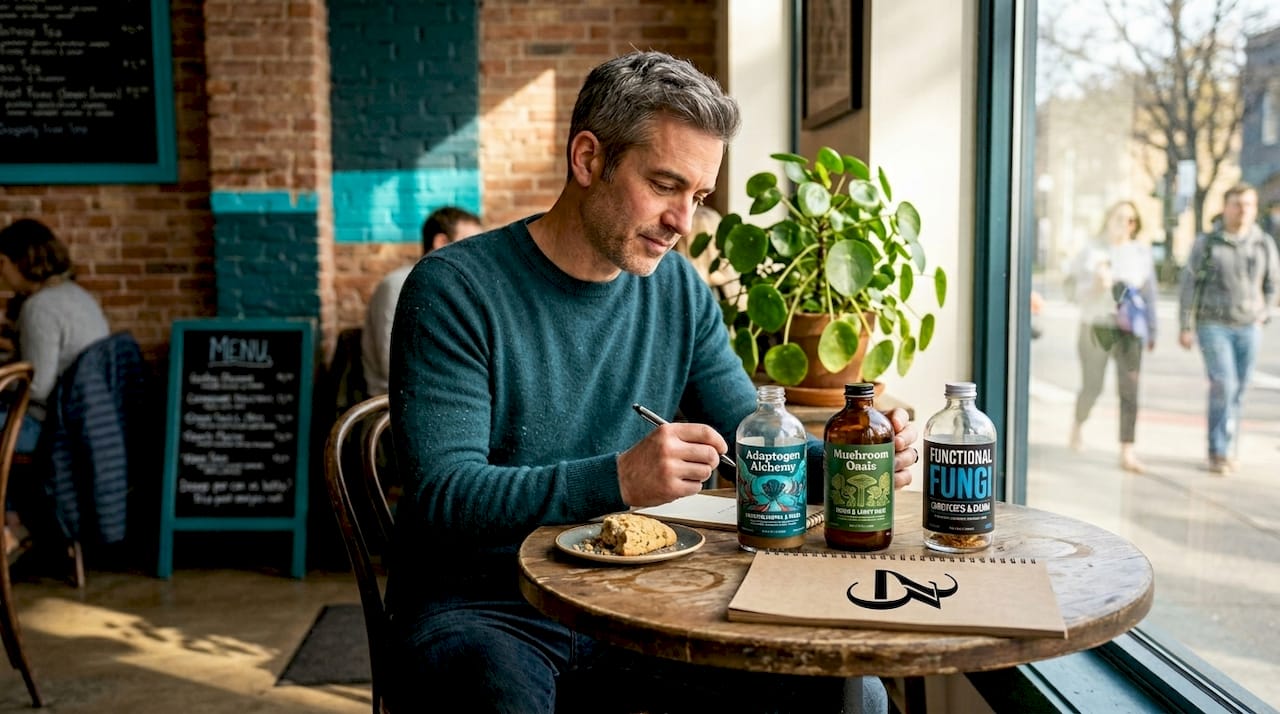
What’s driving this? Consumers are increasingly vocal about wanting ingredients they can trust from traditions that have stood the test of time. The Global Wellness Institute’s 2025 micro-trends report confirms that consumers want “respected traditional ingredients combined with modern innovations,” blending herbal and plant medicine practices with contemporary science. Think ashwagandha paired with nano-emulsified hemp extract. Or ginseng combined with CBG for a bright, uplifted clarity that feels intentional rather than accidental.
Here’s a quick breakdown of the most impactful ingredients in this expanding space:
- Ashwagandha: An adaptogenic root with strong clinical backing for lowering cortisol, supporting mood stability, and reducing physical stress response. Pairs well with calming cannabinoids.
- Magnesium glycinate: A highly bioavailable form of magnesium that supports muscle relaxation and quality sleep without sedation.
- Lion’s mane mushroom: Known for supporting cognitive clarity and focus, often combined with hemp-derived CBG for a clean, uplifting effect.
- Ginseng: A traditional energizer that pairs with low-dose THC to create a balanced social buzz without drowsiness.
- Reishi mushroom: A deeply calming adaptogen associated with stress relief and immune support, often used in evening wind-down drinks.
The critical nuance here is the difference between calm and sedation. A reishi and magnesium blend may make you feel dreamily mellow, while an ashwagandha and CBG drink keeps you sharp and relaxed simultaneously. Reading labels for these distinctions is a skill worth developing. Check out wellness cannabis benefits for a deeper look at how cannabinoids interact with botanical ingredients to amplify targeted effects.
Pro Tip: When pairing adaptogens with cannabinoids, start with single-mechanism products first. Once you know how each ingredient affects you, layered combinations become much more intentional and enjoyable.
Navigating the compliance cliff: How legality shapes your options
With so many options, understanding rapid regulatory changes is essential to avoid risks and wasted investment.
Here’s the part many wellness guides gloss over: legality isn’t static in this space. It’s moving fast. And what’s on shelves today may not be available tomorrow. The phrase circulating among hemp industry insiders and legal experts right now is “the compliance cliff,” and it’s worth understanding before you build a wellness routine around any specific product.
According to legal analysis, 2026 is a “compliance cliff” for hemp, as legislation narrows what qualifies as lawful hemp and specifically targets intoxicating hemp-derived products like certain THC beverages. This means the product you love today could face new restrictions based on state interpretation, federal rulemaking, or brand compliance failures.
Here’s a numbered checklist to stay on the right side of this shifting landscape:
- Verify hemp-derived status: Confirm the product uses hemp-derived cannabinoids (not marijuana-derived) and contains 0.3% or less Delta-9 THC by dry weight.
- Check your state’s rules: Hemp laws vary significantly by state. A legal product in one state may be restricted in another.
- Look for a certificate of analysis (COA): Third-party lab testing documents confirm cannabinoid content and ensure no unlawful levels of THC.
- Buy from brands with clear compliance policies: Reputable brands proactively communicate regulatory updates and adjust their formulations accordingly.
- Watch for 2026 legislative updates: New federal hemp rules coming into effect in 2026 may impact product availability on both a brand and retailer level.
Understanding the future trends in THC beverages is one smart way to stay ahead of this curve. The brands navigating compliance well right now are the ones worth sticking with long term.
Comparing top infused wellness trends at a glance
To tie it all together, compare the main categories so you can confidently pick the trend that matches your lifestyle.
This is where it gets practical. Let’s put the three main infused wellness categories side by side so you can see exactly where each excels, where each has limits, and who each is realistically made for. As Brightfield Group research confirms, mechanics and methodology dictate top infused wellness product preferences, and regulation further shapes those choices.
| Category | Best for | Key benefits | Regulatory complexity |
|---|---|---|---|
| THC-infused beverages | Social, recreational, sober-curious | Microdosed calm, no hangover, fast onset | High; subject to state and federal rules |
| Adaptogen drinks | Daily stress relief, focus, mood support | Consistent, non-intoxicating, widely available | Low; generally unregulated supplements |
| Traditional botanical infusions | Sleep, digestion, holistic wellness | Culturally rooted, broad ingredient range | Low to medium; varies by ingredient |
A few practical points worth highlighting for each category:
- THC beverages deliver the most distinctive effect but require the most regulatory vigilance. Hemp-derived THC beverage availability is genuinely sensitive to regulatory interpretation, so buy from compliant, transparent brands.
- Adaptogen drinks are the most universally accessible and carry the lowest legal risk. Great entry point if you’re new to functional wellness beverages.
- Traditional botanical infusions are ideal for building long-term, daily rituals. They often combine beautifully with hemp products for layered, nuanced effects.
For a more detailed breakdown of specific hemp beverage options, detailed hemp beverage comparison gives you a hands-on look at how individual products stack up across taste, potency, and ingredient quality.
Our take: What actually works (and what to avoid) when embracing infused wellness
Now that you’ve seen the full landscape, here’s what experience has taught us about picking trends that truly enhance your wellness journey.
Most wellness content will tell you to “do your research” and “start low and go slow.” That advice isn’t wrong. But it’s also incomplete. Here’s the honest perspective we don’t see enough of in the conversation.
Mechanism-driven choices aren’t just smarter. They’re the only approach that builds a sustainable wellness habit. When you pick a product because it went viral or because the packaging looks gorgeous, you’re gambling. When you choose based on a specific mechanism tied to a specific need, the experience becomes repeatable, trustworthy, and genuinely valuable. That’s the difference between a trend you try once and a ritual you return to.
The regulatory piece is where most wellness seekers get caught off guard. Brands disappear. Formulations change quietly. Products that were perfectly compliant six months ago face new restrictions. Loving a product that doesn’t survive the 2026 compliance cliff means starting your routine over from scratch. The smart move is to align with brands that are actively investing in compliance infrastructure, not just optimizing for today’s sales.
The conversation around rewriting social drinking norms is one of the most exciting cultural shifts we’re watching unfold. It’s not about replacing every cold beer with a THC seltzer. It’s about having real choices, drinking intentionally, and waking up feeling good. That’s a value set the industry is finally catching up to deliver.
What we’d tell brands and educators: stop leading with vague “wellness” language and start leading with mechanism. Consumers are smart, getting smarter, and they deserve specifics.
Ready to explore your infused wellness options?
If this guide has sparked something for you, the next step is simple. Take the criteria you’ve built here, match it to the formats that fit your life, and explore with intention.
At 23state.com, you’ll find a curated lineup of premium infused wellness options spanning THC beverages, hemp-derived edibles, and lifestyle-forward products built for exactly the kind of deliberate, mechanism-aware consumer you’re becoming. Whether you’re brand new to infused wellness or refining an existing routine, the top hemp drinks guide on our blog is a great next stop. Explore, compare, and find your perfect match with confidence.
Frequently asked questions
What is an infused wellness product?
Infused wellness products contain added active ingredients offering specific benefits, such as cannabinoids or adaptogens, to support relaxation, mood, or overall health. Formats include beverages, edibles, and tinctures, with microdose and low-dose THC formats increasingly driving adoption among wellness-oriented consumers.
Are THC-infused beverages safe?
When consumed responsibly, legal THC beverages are generally safe for adults, but dosing and individual health factors matter. Always review labels and check compliance status, since federal compliance changes can impact which products are legally available in your area.
How do adaptogens in wellness drinks work?
Adaptogens help regulate stress and mood by interacting with the body’s hormonal response systems, particularly cortisol pathways, and are increasingly combined with cannabinoids for enhanced effects. The mainstreaming of adaptogens in functional beverages reflects growing consumer demand for science-backed, traditional ingredients.
What is the 2026 compliance cliff in hemp wellness?
The 2026 compliance cliff refers to new legislation that sharply narrows what qualifies as lawful hemp, potentially restricting or banning certain intoxicating hemp-derived products. Consumers should verify the regulatory status of their preferred products well ahead of these changes.
What is the difference between calm and sedation in drink effects?
Calm refers to relaxed focus without drowsiness, while sedation means noticeable tiredness, often making activities like driving or working difficult. Product labels should clearly specify this mechanism distinction, as consumer education around calm versus sedation is increasingly recognized as essential for building trust and safe, repeatable use.