






Hemp and cannabis come from the same plant family, but they couldn’t be more different in what they do for your body. Hemp contains very low THC, meaning it delivers zero psychoactive effects while still packing a serious nutritional punch. Yet so many people still lump the two together, missing out on one of the most versatile wellness ingredients available today. Whether you’re plant-based, fitness-focused, or simply curious about cleaner ways to support your health, hemp has something real to offer. This guide breaks down the science, the benefits, and the smart choices that make hemp worth your attention.
Table of Contents
- What defines high-quality hemp benefits?
- 1. Complete plant protein for muscle and health
- 2. Omega fatty acids: The heart of hemp’s wellness impact
- 3. Essential vitamins and minerals in every serving
- 4. Anti-inflammatory effects and metabolic support
- 5. Targeted support: Skin, joints, and more
- 6. Processing, bioavailability, and the eco-friendly edge
- 7. Risks, safety, and what to look for in hemp products
- Take your next step with wellness-focused hemp
- Frequently asked questions
Key Takeaways
| Point | Details |
|---|---|
| Complete nutrition source | Hemp delivers full plant protein, essential fats, and vital minerals for whole-body wellness. |
| Supports heart and metabolism | Balanced omega fatty acids and anti-inflammatory effects make hemp a smart choice for cardiovascular and metabolic health. |
| Topical and targeted uses | Topical hemp products can offer relief for joint pain and skin irritation with research-backed results. |
| Eco-friendly and sustainable | Processing and by-products of hemp support a sustainable and environmentally-conscious lifestyle. |
| Safety first | Choose reputable brands to avoid contaminants like heavy metals and ensure legal compliance. |
What defines high-quality hemp benefits?
Not all hemp products are created equal. When you’re choosing hemp for wellness, the quality of what you pick directly shapes the results you feel. High-quality hemp stands out through a few key markers.
Here’s what separates the good from the great:
- Complete nutrition: Hemp seeds deliver all essential amino acids, making them a rare complete plant protein source.
- Non-intoxicating profile: Quality hemp contains less than 0.3% THC, so you get the wellness perks without any psychoactive effects.
- Purity standards: Look for third-party tested products free from heavy metals and pesticides.
- Balanced fat content: A healthy omega-6 to omega-3 ratio is a hallmark of premium hemp seed oil.
- Minimal processing: Cold-pressed oils and minimally processed seeds retain the most nutrients.
Using a hemp shopping checklist before you buy helps you avoid low-quality products that underdeliver. Think of it as your personal filter for getting the most out of every serving.
1. Complete plant protein for muscle and health
Protein is the building block of muscle, immune function, and pretty much every repair process your body runs. Hemp is one of the very few plants that gives you the full picture. All essential amino acids are present in hemp seeds, putting it in the same league as eggs and meat for protein completeness.
For anyone cutting back on animal products, that’s a big deal. Here’s what hemp protein brings to your routine:
- Muscle recovery: Edestin and albumin, the two main proteins in hemp, are highly digestible and support post-workout repair.
- Sustained energy: Protein slows digestion, keeping you fuller and more energized between meals.
- Immune support: Albumin plays a role in immune defense and tissue maintenance.
- Gut-friendly: Hemp protein is generally easier on digestion than whey or soy for many people.
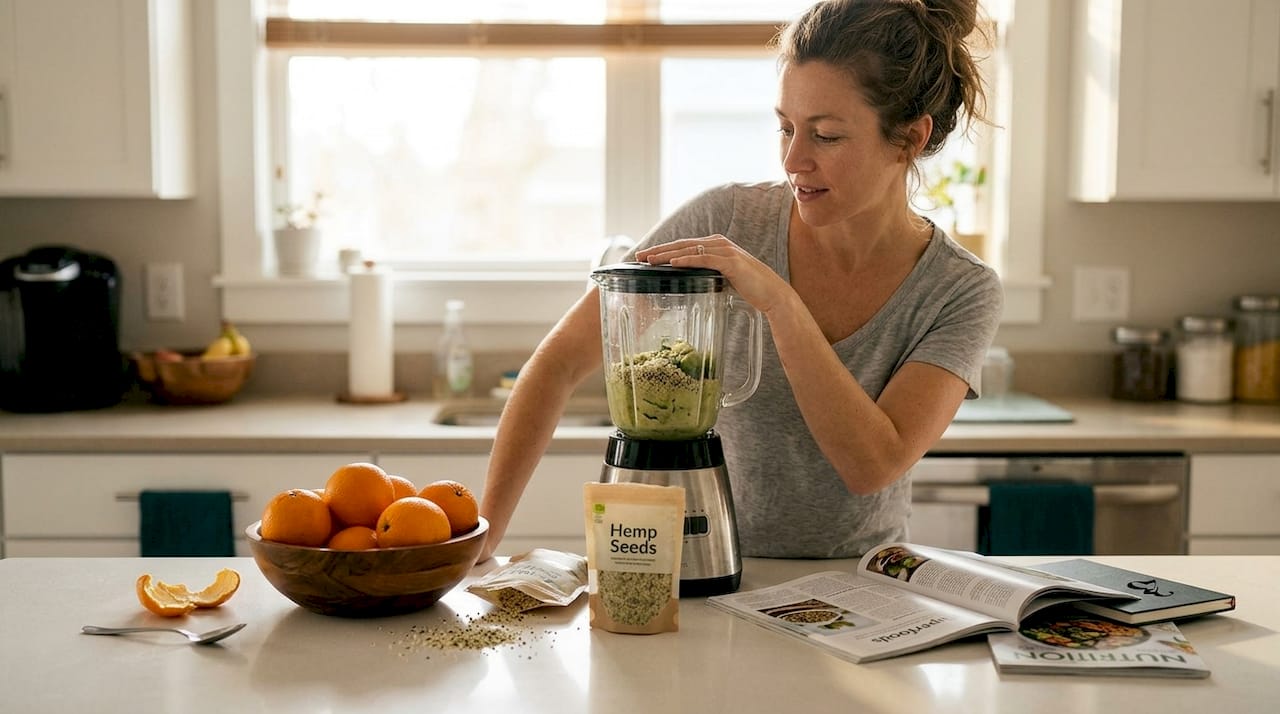
If you’re building a hemp for fitness routine, adding two to three tablespoons of hemp seeds to your morning smoothie is one of the easiest upgrades you can make.
Pro Tip: Pair hemp seeds with a source of vitamin C (like citrus or berries) to support collagen synthesis alongside your protein intake. It’s a small combo that adds up over time.
2. Omega fatty acids: The heart of hemp’s wellness impact
Fat gets a bad reputation, but the right fats are essential for heart health, brain function, and keeping inflammation in check. Hemp seed oil shines here because its omega-6 to omega-3 ratio sits at an ideal 3:1, which supports cardiovascular health by improving lipid profiles and reducing oxidative stress.

Most Western diets run a ratio closer to 15:1 or even 20:1, which tips the scales toward chronic inflammation. Hemp naturally corrects that balance.
| Oil type | Omega-6 to omega-3 ratio | Notes |
|---|---|---|
| Hemp seed oil | 3:1 | Closest to ideal for human health |
| Flaxseed oil | 1:4 | High omega-3, but low omega-6 |
| Sunflower oil | 40:1 | Very high omega-6, pro-inflammatory |
| Olive oil | 10:1 | Moderate, good for cooking |
| Canola oil | 2:1 | Decent ratio, but heavily processed |
The balanced omega ratio in hemp seed oil also contains gamma-linolenic acid (GLA), a rare omega-6 that actually fights inflammation rather than promoting it. That’s a meaningful distinction when you’re thinking long-term wellness.
3. Essential vitamins and minerals in every serving
Hemp isn’t just about protein and fat. It’s also a surprisingly rich source of micronutrients that most people don’t get enough of. A single serving covers meaningful portions of your daily mineral needs.
| Mineral | Role in the body | Hemp’s contribution |
|---|---|---|
| Magnesium | Muscle function, sleep, stress response | High per serving |
| Potassium | Heart rhythm, fluid balance | Significant |
| Phosphorus | Bone health, energy metabolism | Substantial |
| Iron | Oxygen transport, energy | Moderate |
| Zinc | Immune defense, skin repair | Present |
Research confirms hemp seeds are rich in potassium, magnesium, and phosphorus, meeting significant portions of daily needs in just a few tablespoons. That’s a lot of nutritional value packed into a small, easy-to-use ingredient.
The benefits of these minerals work together. Magnesium supports better sleep and lower cortisol. Potassium keeps your heart rhythm steady. Phosphorus fuels your cells’ energy production. You can explore more about eco-friendly hemp benefits and how these nutrients fit into a sustainable lifestyle.
- Magnesium deficiency is linked to poor sleep, anxiety, and muscle cramps. Hemp helps fill that gap naturally.
- Potassium is often under-consumed, especially in high-sodium diets. Hemp adds a clean source.
- Phosphorus works alongside calcium for bone density, making hemp a smart pick for active adults.
4. Anti-inflammatory effects and metabolic support
One of the more exciting areas of hemp research right now is its potential role in metabolism and inflammation. Early preclinical studies are showing some genuinely impressive results.
- AMPK pathway activation: Research shows hemp compounds can activate the AMPK pathway, a key metabolic regulator that helps the body burn fat more efficiently.
- Reduced lipid accumulation: Preclinical studies show up to 79% reduction in lipid accumulation in fat cells, alongside improved metabolic markers in obese animal models.
- Inflammation control: Hemp’s GLA and omega-3 content work together to reduce inflammatory signaling throughout the body.
- Blood sugar balance: Early data suggests hemp may support healthier glucose metabolism, though human trials are still catching up.
“The anti-obesity effects observed in preclinical hemp studies are promising, but the real story is how hemp’s nutrient profile supports everyday metabolic health, not just extreme cases.”
Pro Tip: If you’re exploring hemp for metabolic support, consistency matters more than quantity. A daily small serving works better than occasional large doses. Check out the latest hemp wellness trends to see how others are building this into their routines.
5. Targeted support: Skin, joints, and more
Hemp’s benefits aren’t limited to what happens inside your body. Topical applications are gaining real traction in clinical research, especially for joint pain and skin conditions.
For joints, a randomized trial found that topical hemp seed oil improved knee osteoarthritis pain, function, and stiffness at levels comparable to diclofenac gel versus placebo. That’s a meaningful result for anyone managing chronic joint discomfort without wanting to rely on pharmaceuticals.
For skin, a meta-analysis found that cannabinoids including hemp seed oil modestly reduce itching (SMD of negative 0.29) in dermatology settings, though effects on dryness, redness, and quality of life were not statistically significant.
Here’s a quick breakdown of targeted hemp applications:
- Knee and joint pain: Topical hemp oil shows real promise as a natural alternative to anti-inflammatory gels.
- Itchy or irritated skin: Modest but measurable relief from hemp-based topicals in clinical settings.
- Eczema and psoriasis: Anecdotal support is strong, though clinical evidence is still building.
- Post-workout soreness: Topical application to sore muscles is a growing wellness practice.
Explore more about wellness-focused cannabis to see how hemp fits into a broader self-care routine.
6. Processing, bioavailability, and the eco-friendly edge
How hemp is processed matters as much as where it comes from. Research confirms that germination and fermentation enhance the bioavailability of hemp’s nutrients, meaning your body actually absorbs more of the good stuff. By-products from hemp processing also carry sustainability value, making it one of the more eco-conscious crops available.
Here’s what to look for when evaluating hemp product quality:
- Cold-pressed oils retain the most omega fatty acids and antioxidants.
- Germinated seeds have improved digestibility and higher nutrient absorption rates.
- Fermented hemp protein breaks down anti-nutrients that can block mineral absorption.
- Certified organic sourcing reduces pesticide exposure and supports cleaner farming practices.
Pro Tip: When reading labels, look for “cold-pressed” or “minimally processed” on hemp oil products. These terms signal that the nutrient profile is intact. Learn more about hemp biomass explained and why sourcing transparency matters for your wellness goals.
For eco-minded shoppers, hemp is genuinely one of the more sustainable hemp choices available. It requires less water than cotton, improves soil health, and produces usable by-products at nearly every stage of processing.
7. Risks, safety, and what to look for in hemp products
Hemp is generally safe for most adults, but it’s worth knowing the full picture before you commit to a daily routine. A few real risks exist, and being informed helps you shop smarter.
Key safety considerations:
- Heavy metal contamination: Some hemp products contain cadmium and arsenic at levels worth monitoring, especially in unregulated supplements.
- Trace THC: Legal hemp contains less than 0.3% THC, but cumulative use of multiple products could add up for sensitive individuals.
- Drug interactions: Hemp can interact with certain medications, particularly blood thinners. Always check with your doctor if you’re on prescription meds.
- Children and high doses: High doses are not recommended for children due to potential contaminant exposure.
- Regulatory gaps: Hemp supplements aren’t as tightly regulated as pharmaceuticals, so third-party testing is essential.
“Clinical evidence for hemp’s long-term benefits is still growing. Most current data is preclinical or short-term, and long-term RCTs are needed to confirm cardiovascular and metabolic benefits across diverse populations.”
When shopping, prioritize brands that publish third-party lab results. A solid hemp safety explained resource can walk you through what those lab reports actually mean. And if you want a step-by-step framework, a legal hemp safety guide covers exactly what to check before you buy.
Take your next step with wellness-focused hemp
You’ve got the knowledge now. Hemp’s nutritional profile is genuinely impressive, from complete plant protein and ideal omega ratios to skin-supporting topicals and metabolic benefits backed by emerging science. The next move is finding products that actually live up to that potential.

At 23rd State, we curate hemp-derived products with quality and lifestyle in mind. Whether you’re new to hemp or ready to level up your wellness routine, our collection is built for people who care about what goes into their bodies and how it makes them feel. Browse our handcrafted hemp offerings, dig into our education blog for deeper dives, and find the products that fit your vibe. Clean ingredients, real benefits, and a community that gets it.
Frequently asked questions
Is hemp safe for everyday use?
Hemp is generally safe for most adults, but some products may contain heavy metals or trace THC, so always choose brands that publish third-party lab results.
Can hemp protein replace animal protein?
Hemp provides all essential amino acids, making it a complete plant protein that works as a genuine alternative to animal sources for many people.
What are the possible side effects of hemp products?
Side effects are rare but can include digestive discomfort, drug interactions, and contaminant exposure if you’re not sourcing from tested, reputable brands.
How is hemp different from cannabis for wellness?
Hemp contains very low THC and produces no high, making it ideal for nutrition and gentle daily wellness rather than recreational or psychoactive use.