


TL;DR:
- Sober curious promotes mindful alcohol choices without full abstinence, focusing on wellness benefits.
- These drinks often contain adaptogens, nootropics, and botanicals for targeted health support.
- Industry hype varies; critical label reading and personal experimentation are key to meaningful benefits.
The best parties you’ll ever attend might not have a drop of alcohol in them. That’s not a bold prediction. It’s a quiet shift already happening in bars, kitchens, and wellness circles across the country. The sober curious movement is a wellness-driven approach to reducing or rethinking alcohol consumption without demanding full abstinence. It’s about intentional choices, better mornings, brighter moods, and drinks that actually do something for your body and mind. This guide breaks down everything you need to know: the science, the ingredients, the recipes, and how infused beverages fit perfectly into a more elevated, health-forward lifestyle.
Table of Contents
- What does it mean to be sober curious?
- Key ingredients and benefits of sober curious drinks
- How sober curious drinks compare to alcoholic beverages
- How to craft and enjoy sober curious drinks at home
- Industry hype, accessibility, and what people miss
- A fresh perspective: What most guides won’t tell you about sober curious drinks
- Explore more sober curious options with 23rd State
- Frequently asked questions
Key Takeaways
| Point | Details |
|---|---|
| Intentional enjoyment | Sober curious drinks elevate social experiences with functional, health-focused ingredients instead of alcohol. |
| Wellness benefits | Adaptogens, nootropics, and botanicals in these beverages can support sleep, gut health, and stress management. |
| Growing demand | The popularity of sober curious drinks has surged, with over a third of adults now exploring them. |
| Craft and customization | You can personalize infused beverages at home using real, organic ingredients and mindful mixing techniques. |
| Hype vs. substance | Not every trendy beverage delivers; read labels carefully and prioritize proven benefits over marketing. |
What does it mean to be sober curious?
The phrase “sober curious” was popularized by author Ruby Warrington in 2018, but the movement has taken on a life of its own since then. At its core, being sober curious means pausing to ask yourself a simple question: Why am I drinking this? It’s not about shame or cold-turkey abstinence. It’s not the same as moderation, either, which often means setting a limit and then quietly ignoring it. Sober curiosity sits in a different lane entirely.
Here’s how those three approaches compare:
- Full sobriety: Complete abstinence, often with a specific personal or medical reason behind it.
- Moderation: Drinking but in reduced quantities, usually with a self-imposed cap per week or occasion.
- Sober curiosity: Mindfully evaluating each drinking occasion and choosing whether alcohol serves your current goals, health, or mood.
The sober curious movement is especially popular among younger generations. Gen Z abstains at a rate of 27%, a striking contrast to prior generations. Many of them grew up watching the wellness wave reshape how people think about food, sleep, and exercise. Extending that same mindfulness to drinking felt like the next natural step.
“Sober curious isn’t a rulebook. It’s a lens for examining your relationship with alcohol and replacing it with more intentional choices, better sleep, clearer thinking, and drinks that feel just as celebratory.” — Curious Elixirs
Common myths still follow this movement around. Some people assume sober curious means boring social events, sparkling water in hand, watching everyone else have a good time. Others assume it’s a gateway to full sobriety or a signal of a drinking problem. Neither is accurate. The movement is about upgrading your enjoyment, not limiting it.
One real critique worth acknowledging: commercialism has crept in. Brands slap “sober curious” on marketing copy to capture trend-driven attention without necessarily delivering meaningful wellness benefits. We’ll address how to cut through that noise in a later section.
With a foundation in what sober curiosity really means, let’s explore what makes sober curious drinks so different from standard non-alcoholic beverages.
Key ingredients and benefits of sober curious drinks
Not all non-alcoholic drinks are created equal. A soda is alcohol-free. A sober curious drink is intentionally formulated. The difference is what’s inside, and the goal behind putting it there.
Functional beverages in the sober curious world include adaptogens (plants and mushrooms that help your body handle stress), nootropics (compounds that support cognitive function), botanicals (herbal infusions with bioactive properties), and kava (a Pacific Island root known for its calming, social effects). Each brings something distinct to the glass.
Here’s a quick overview of the most common functional ingredients and what they offer:
| Ingredient | Category | Primary benefit |
|---|---|---|
| Ashwagandha | Adaptogen | Stress reduction, cortisol balance |
| Lion’s mane | Nootropic mushroom | Focus, memory support |
| Reishi | Adaptogen mushroom | Immune support, relaxation |
| Kava | Botanical root | Social ease, calming without sedation |
| L-theanine | Amino acid | Calm alertness, anxiety reduction |
| Ginger root | Botanical | Digestive support, anti-inflammatory |
| Pomegranate | Antioxidant fruit | Cardiovascular health |
These aren’t just wellness buzzwords. Kombucha supports gut health and delivers antioxidants. Coconut water rehydrates comparably to electrolyte drinks. Pomegranate-based beverages show meaningful cardiovascular support. And broader research confirms that healthy beverage patterns are linked to lower all-cause mortality risk.
Some additional benefits worth knowing:
- Gut health support from fermented beverages and prebiotic botanicals
- Reduced inflammation from polyphenol-rich ingredients
- Better focus and clarity from nootropic blends (think lion’s mane or L-theanine)
- Genuine relaxation from kava or passionflower without the grogginess that follows alcohol
Exploring alternative beverages for wellness opens up a whole new world of flavor and function. You might be surprised how complex and satisfying a well-crafted botanical drink can taste.
Pro Tip: When reading a functional drink label, look for the actual dosage of each ingredient, not just the ingredient name. An ashwagandha drink with 10mg of ashwagandha is unlikely to deliver noticeable benefits. Effective doses are typically between 300mg and 600mg per serving. Also check for mood-enhancing beverages that list their adaptogen sources clearly so you know exactly what you’re getting.
Knowing the powerhouse ingredients in these beverages, let’s compare how their mechanisms stack up against traditional alcoholic drinks and explore wellness outcomes.
How sober curious drinks compare to alcoholic beverages
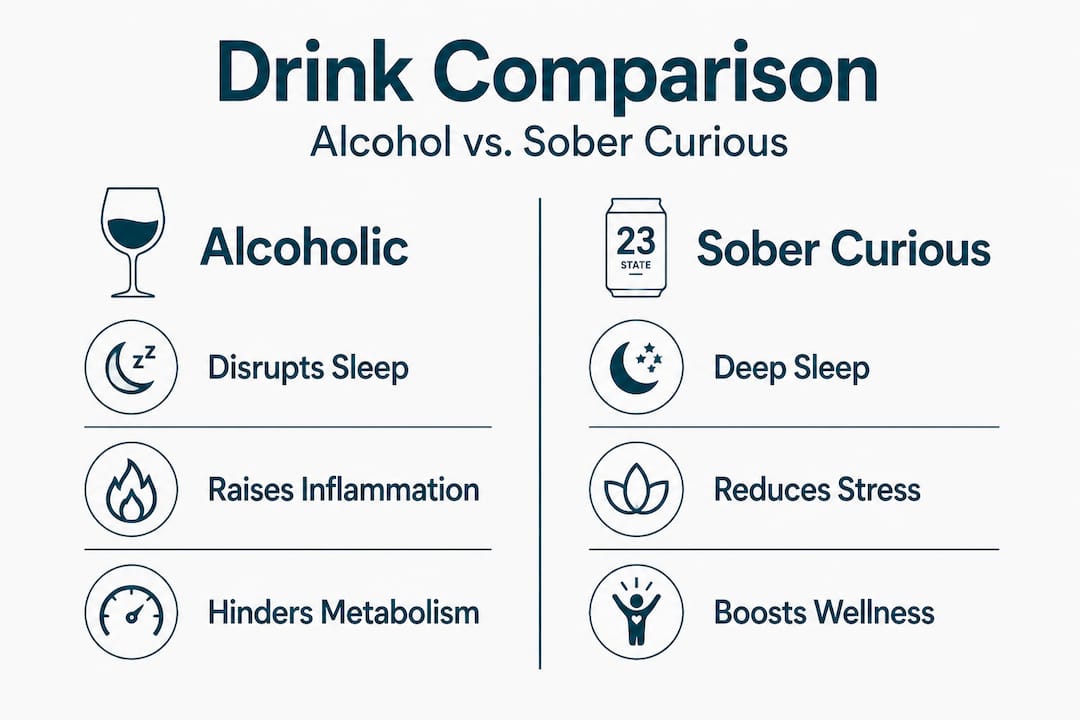
Let’s be direct about what alcohol does to your body, even in moderate amounts. It disrupts sleep architecture, raises inflammation markers, stresses your liver, and spikes blood sugar. Over time, even casual drinking can blunt your energy and cloud your thinking in ways you might have normalized without realizing it.
Reducing alcohol improves sleep quality, supports metabolic health, and reduces inflammation. One notable trial found that runners who swapped their post-race beer for non-alcoholic beer showed measurably reduced inflammatory markers. That’s not anecdotal. It’s a meaningful data point for anyone who takes their physical performance seriously.
Here’s a side-by-side look at how they stack up:
| Factor | Alcoholic drink | Sober curious drink |
|---|---|---|
| Sleep quality | Disrupts REM cycles | Supports deeper, more restorative sleep |
| Inflammation | Increases markers | Reduces or neutral depending on ingredients |
| Morning-after feel | Fatigue, brain fog | Clarity, energy, hydration |
| Metabolic impact | Elevates blood sugar | Low-sugar, often metabolically supportive |
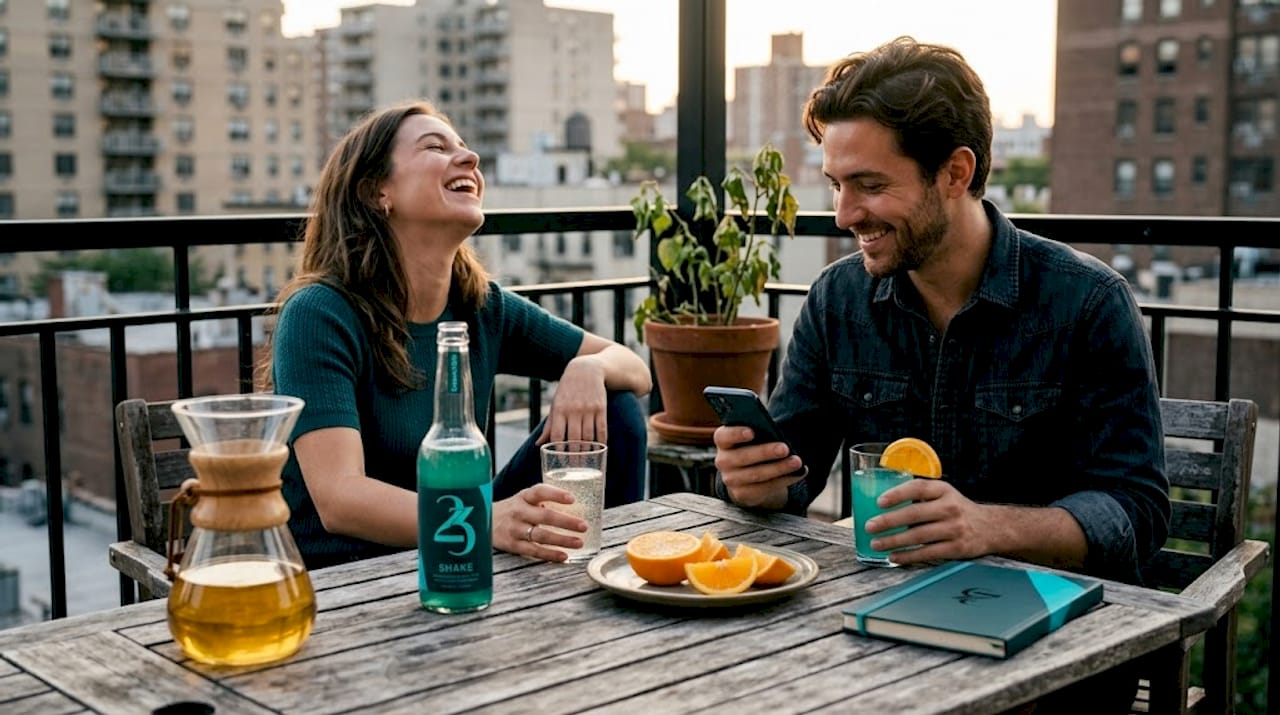
| Social enjoyment | High (ritual-based) | Equally high with ritual-focused preparation |
| Dependency risk | Present | Minimal to none |
The market is reflecting this shift in a big way. Non-alcoholic beer sales doubled over just five years. Dry January participation crossed 35% in 2026. Entire shelf sections in major grocery stores are now dedicated to alcohol-free options. This is no longer a fringe wellness trend. It’s becoming a mainstream expectation.
If you’re ready to make the swap but aren’t sure where to begin, a simple sequence helps:
- Identify your drinking occasions: Social events, post-work wind-down, weekend rituals? Know where alcohol shows up in your week.
- Choose a functional alternative for each context: Kava for social nights out, adaptogen blends for stress relief, nootropic drinks for creative focus sessions.
- Replicate the ritual: Use the same glass, the same setting, the same intention. The ceremony matters as much as the drink.
- Evaluate after two weeks: Track your sleep, energy, and mood. The results often speak louder than any article can.
For a thorough breakdown of the wellness case, the guide on comparing alcohol alternatives lays out the differences clearly. And if you want the full picture of cannabis versus alcohol, that’s a rabbit hole well worth exploring.
Having compared these drinks’ impact and popularity, let’s explore practical ways to craft and enjoy sober curious beverages in your daily life.
How to craft and enjoy sober curious drinks at home
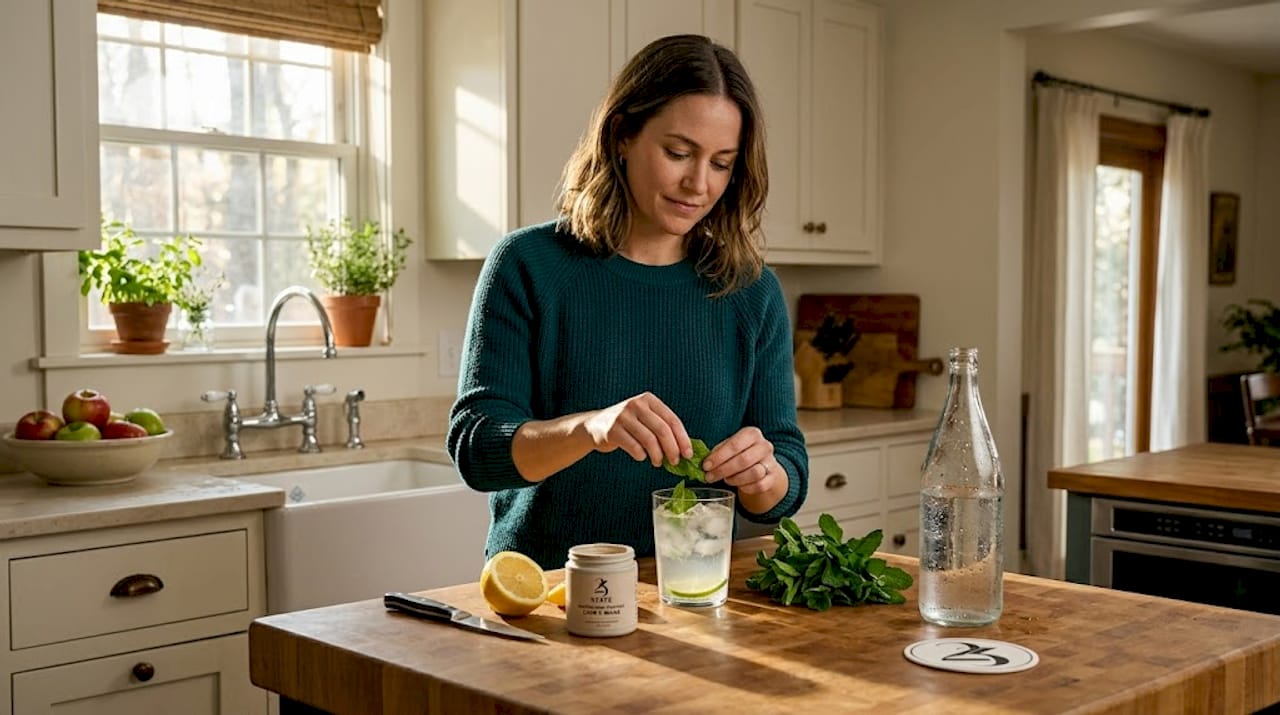
You don’t need a bartender’s certification or a specialty pantry to make a genuinely satisfying sober curious drink at home. You need good ingredients, a little intention, and a fun spirit of experimentation.
Here’s a simple framework to build your own functional mocktail:
- Choose your base: Sparkling water, coconut water, cold brew hibiscus tea, or kombucha all work beautifully. Each adds flavor and function from the start.
- Add your functional hero: Pick one primary active ingredient based on your goal. Ashwagandha tincture for stress relief, lion’s mane powder for focus, kava for social ease.
- Layer in botanicals: Fresh ginger, rosemary, muddled mint, lavender, or cucumber bring depth and sensory pleasure that make the drink feel complex and crafted.
- Balance flavor: A small splash of citrus (lemon, lime, blood orange) brightens everything. A tiny amount of raw honey or monk fruit keeps it low-sugar while rounding out any bitterness.
- Think about mouthfeel: This is what most home mixologists skip. A creamy mouthfeel can be added with a small amount of full-fat coconut milk or an aquafaba foam on top. Suddenly your drink feels luxurious.
- Serve with intention: Use a chilled glass, a fresh garnish, and take a moment before you drink it. Slow down and let the ritual land.
Functional mocktail formulas typically land between 4 and 9 grams of sugar per serving, using organic ingredients and meaningful functional doses. That balance keeps things health-forward without tasting like medicine.
Pro Tip: To build mouthfeel and richness without adding sugar or cream, try shaking your drink hard with ice before straining. This technique creates micro-aeration that gives the liquid a silkier, more satisfying texture that mimics cocktail complexity. You can also explore cannabis beverage enhancers for a microdosed calm that takes a functional mocktail to a whole new sensory level.
Some ingredient pairing ideas to try at home:
- Kava and coconut water with lime and mint for a tropical, chill social night
- Lion’s mane and cold brew with cinnamon and oat milk for a creative morning ritual
- Ashwagandha, hibiscus tea, and blood orange for a rosy, stress-melting evening drink
- Reishi mushroom, cacao, and warm almond milk for a nighttime wind-down that feels indulgent
Now that you know how to craft these drinks, let’s examine the nuanced critiques, accessibility challenges, and what’s overhyped in the sober curious beverage world.
Industry hype, accessibility, and what people miss
The sober curious space is growing fast. That’s genuinely exciting. But growth also attracts brands that prioritize aesthetics and trend alignment over actual wellness results.
Here’s what to watch for:
- Micro-dosing without meaningful doses: A label can say “with ashwagandha” while including an amount too small to do anything.
- Expensive barrier to entry: Craft functional beverages often cost $8 to $15 per bottle. That kind of price point limits accessibility for many people who would otherwise benefit from exploring this lifestyle.
- “Wellness” as branding, not mission: Some products lean on the aesthetic of wellness without delivering the substance.
- Not equivalent to sobriety: If you’re navigating alcohol dependency, sober curious drinks are not a medical intervention. They’re a lifestyle choice for people who are already in a relatively healthy relationship with alcohol.
“The sober curious industrial complex sells an aesthetic. What it often doesn’t sell is genuine transformation. The real benefits come from the no-alcohol piece, not always from what’s in the fancy bottle.” — Tom Wrigglesworth
That said, the space has genuine stars. A Guardian reviewer who tested 75 non-alcoholic drinks found significant quality variation but strong overall improvement in the category. Polyphenol-rich beverages in particular show real potential to reduce oxidative stress and inflammation, particularly for people with metabolic concerns, though results vary by individual. Exploring drink enhancers can also help you identify which formulations actually deliver.
The takeaway isn’t cynicism. It’s discernment. Read the label. Know the ingredient. Ask what dose is in the bottle. And don’t let a beautiful can and clever copy do all the convincing.
A fresh perspective: What most guides won’t tell you about sober curious drinks
Most articles about sober curious living focus on what you’re giving up or what you’re replacing. That framing misses the point entirely. The real shift isn’t about subtraction. It’s about addition.
When you start choosing beverages with intention, you begin noticing what every drink does to your body, your mood, and your morning. That awareness is the actual product. The drink is just the vehicle.
Here’s something the wellness industry rarely admits: not every wellness cannabis drink or adaptogen elixir will work the same way for you as it does for your friend. Your gut microbiome, stress baseline, and metabolism all influence how you respond to functional ingredients. Experimentation is not a failure. It’s the method.
The other thing most guides won’t say directly: community matters more than the beverage. The reason alcohol feels so embedded in social life is because it’s been ritualized, celebrated, and shared for generations. You don’t break that habit with a bottle of kava. You break it by finding other people who are also making intentional choices and building new rituals together.
Intentionality, not perfection, is what the sober curious movement actually teaches. You don’t have to choose a functional drink every time. But when you do, choose one that genuinely serves your body, tastes beautiful, and makes you feel proud of the choice you made.
Explore more sober curious options with 23rd State
Ready to take your sober curious journey beyond the basics? At 23rd State, we’re passionate about functional, feel-good beverages that fit a wellness-forward lifestyle without sacrificing an ounce of enjoyment.
Whether you’re just stepping into this space or you’ve been sober curious for a while, our curated guides and infused drink options are built for people who care about what they put into their bodies. Browse our alternative beverage resources to find inspiration, recipes, and products that turn every pour into a purposeful ritual. Join a growing community of health-conscious people who believe the best nights out (and in) start with a great drink and a clear head.
Frequently asked questions
What makes a drink ‘sober curious’ compared to regular non-alcoholic beverages?
Sober curious drinks are formulated with functional ingredients like adaptogens, nootropics, or botanicals for specific wellness benefits, not just as alcohol replacements. A regular non-alcoholic drink removes alcohol; a sober curious drink adds purposeful, active ingredients.
Will switching to sober curious drinks improve my sleep or health?
Emerging evidence suggests that reducing alcohol intake can meaningfully improve sleep quality, metabolic health, and inflammation levels for many people. Combining that reduction with functional beverages may amplify those benefits, though results vary by person.
Are there any downsides to functional sober curious drinks?
Some products are expensive, not all deliver real effects, and they are not a substitute for professional health guidance or full sobriety for those who need it. Reading labels critically and starting with reputable brands helps you avoid paying for hype.
How can I find sober curious drinks that work for my needs?
Look for clear ingredient labeling with specific dosage amounts, and start with beverages that have been reviewed for quality. Experimenting with one functional ingredient at a time also helps you identify what actually works for your unique body and goals.