






Many believe all cannabis reduces anxiety, but the truth is more complex. Some cannabis products can actually worsen anxiety symptoms depending on the cannabinoids and doses they contain. This guide reveals how to distinguish anxiety-relieving hemp-derived products from those that intensify worry and panic.
Table of Contents
- Understanding Anxiety And Its Impact
- The Science Of Cannabinoids: Cbd And Thc Effects On Anxiety
- The Role Of Terpenes And Other Cannabis Compounds
- Risks, Contraindications, And Necessary Precautions
- Common Misconceptions And Clarifications
Key Takeaways
| Point | Details |
|---|---|
| CBD offers non-intoxicating relief | CBD products reduce anxiety effectively without psychoactive effects or intoxication. |
| THC effects depend on dose | Low THC doses may help temporarily, but higher amounts increase anxiety in 30-50% of users. |
| Terpenes enhance effectiveness | Compounds like d-limonene reduce THC-induced paranoia while preserving relaxation benefits. |
| Verification ensures safety | Choosing lab-tested hemp-derived products guarantees consistent cannabinoid profiles and legal compliance. |
| Professional care remains essential | Cannabis complements but cannot replace evidence-based therapies like counseling and medication. |
Understanding Anxiety and Its Impact
Anxiety disorders affect a substantial portion of the population, yet treatment remains inadequate for many. Nearly 31% of Americans experience anxiety disorders in their lifetime, but only 46% receive professional treatment. This treatment gap drives many to explore alternative therapies, including cannabis-based products.
Anxiety manifests through various symptoms that disrupt daily life. Common experiences include:
- Persistent worry and racing thoughts that interfere with concentration
- Panic attacks accompanied by chest tightness and difficulty breathing
- Physical symptoms like increased heart rate, sweating, and muscle tension
- Avoidance behaviors that limit social and professional engagement
The search for relief leads many health-conscious individuals toward hemp-derived cannabis products. Understanding how these products work requires examining the specific cannabinoids and compounds they contain.
The Science of Cannabinoids: CBD and THC Effects on Anxiety
Cannabinoids interact with your body’s endocannabinoid system, which regulates mood, stress response, and emotional processing. However, CBD and THC affect anxiety through distinctly different mechanisms.
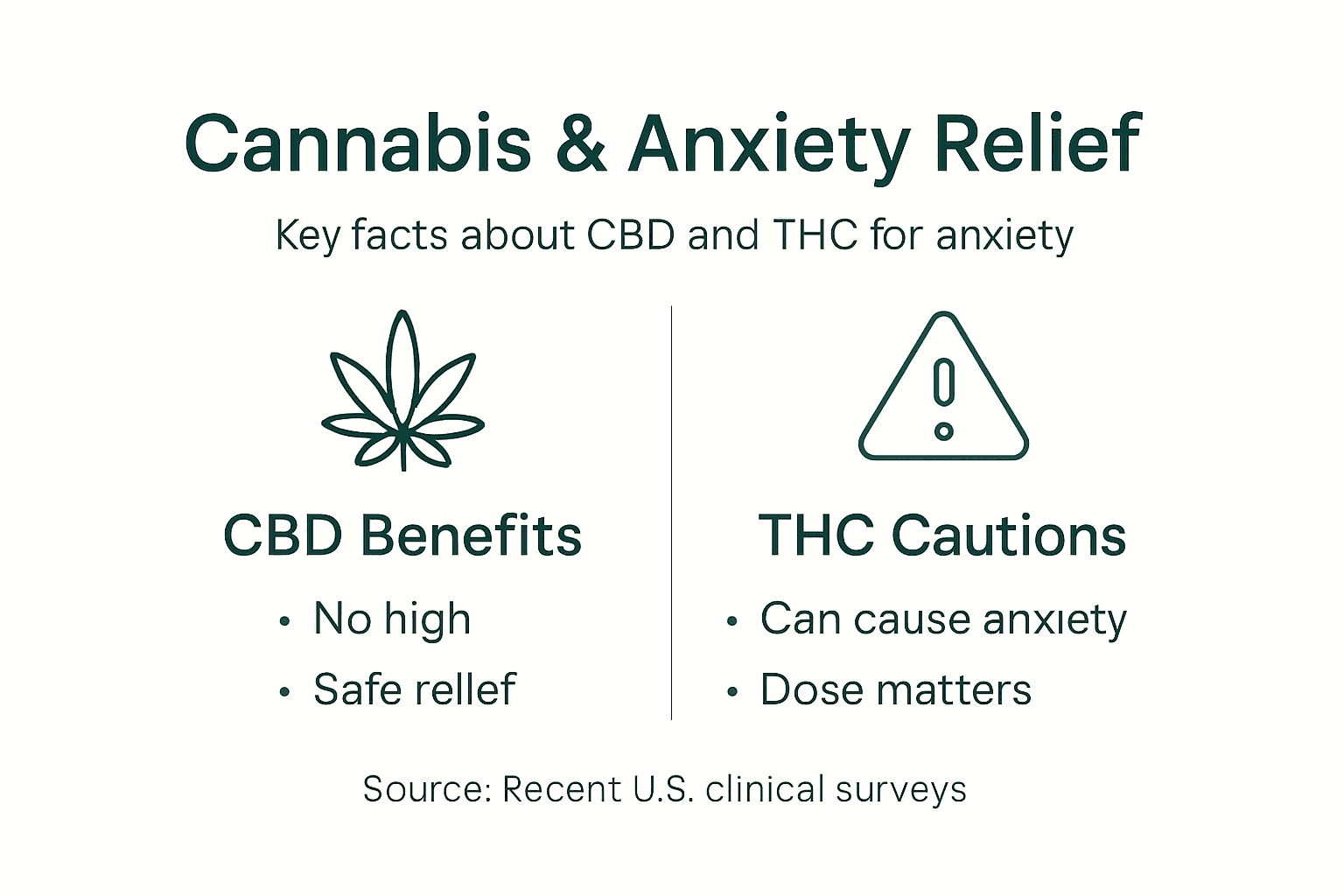
THC produces biphasic effects on anxiety. At low doses, THC may temporarily reduce anxiety, but higher doses increase anxiety and panic in 30-50% of users. This dose-dependent response makes THC unpredictable for anxiety management, especially in products containing 20-30% THC concentrations.
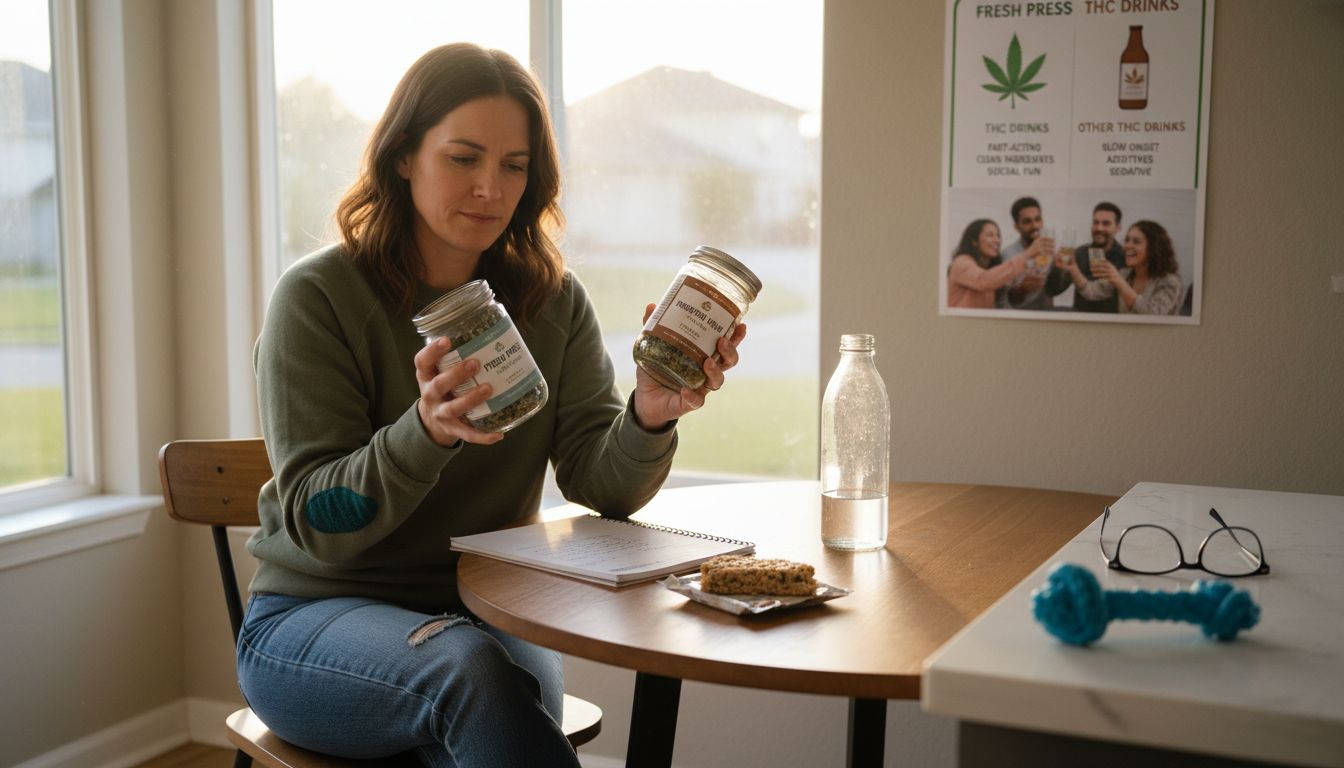
CBD offers a safer alternative. Research shows CBD products with 24% CBD concentration provide consistent anxiety relief without psychoactive risks. CBD’s calming effects work through serotonin receptors and other pathways that regulate stress without producing intoxication.
| Characteristic | CBD | THC |
|---|---|---|
| Psychoactive effects | None | Yes, intensity increases with dose |
| Anxiety relief consistency | Predictable and stable | Unpredictable, dose-dependent |
| Risk of increased anxiety | Minimal to none | Moderate to high at elevated doses |
| Legal status (hemp-derived) | Federally legal under 0.3% THC | Restricted in many jurisdictions |
| Optimal use case | Daily anxiety management | Recreational use, not anxiety-focused |
Clinical evidence increasingly favors CBD-dominant formulations for anxiety support. Studies examining CBD vs THC product types demonstrate superior safety profiles and more consistent therapeutic outcomes with CBD-rich hemp products.
Pro tip: Start with products containing 10-20mg CBD and minimal THC (under 0.3%) to assess your response. Gradually increase the CBD dose if needed, monitoring how your anxiety symptoms respond over several days.
Understanding benefits of cannabinoids for anxiety requires recognizing that individual responses vary based on body chemistry, tolerance, and product composition.
The Role of Terpenes and Other Cannabis Compounds
Terpenes are aromatic compounds that contribute more than just scent to cannabis products. These molecules influence physiological effects and modify how cannabinoids interact with your nervous system.
D-limonene stands out as particularly beneficial for anxiety management. This citrus-scented terpene reduces THC-induced anxiety and paranoia without diminishing relaxation benefits. Research shows d-limonene enhances overall user experience by balancing cannabinoid effects.
Terpenes work synergistically with cannabinoids through the entourage effect. Key terpenes for anxiety support include:
- Linalool, which provides calming lavender-like aromatherapy effects
- Beta-caryophyllene, which interacts directly with cannabinoid receptors to reduce stress
- Myrcene, which enhances relaxation and promotes restful states
- Limonene, which elevates mood and counters anxiety-inducing compounds
Incorporating terpene-rich hemp products amplifies therapeutic benefits beyond what isolated CBD provides. The importance of terpene profiles becomes clear when comparing full-spectrum products to CBD isolates.
Pro tip: Look for product labels listing specific terpene content alongside cannabinoid percentages. Full-spectrum and broad-spectrum hemp products typically preserve beneficial terpenes, while isolates contain only CBD.
Risks, Contraindications, and Necessary Precautions
While hemp-derived CBD shows promise for anxiety support, certain populations and usage patterns carry significant risks. Understanding these contraindications protects you from adverse outcomes.
High-THC cannabis strains pose particular dangers. Products containing 20-30% THC increase risk of anxiety, panic, and substance use disorders, especially in vulnerable populations. These concentrations far exceed therapeutic levels and heighten psychiatric complications.
Specific groups should exercise extra caution or avoid cannabis entirely:
- Individuals with existing psychiatric conditions like bipolar disorder or schizophrenia
- People with personal or family history of substance use disorders
- Pregnant or nursing women due to unknown developmental impacts
- Those taking medications that interact with cannabinoids, including blood thinners and certain antidepressants
Self-medicating with high-THC products without professional guidance creates serious risks. Cannabis can mask underlying conditions requiring proper diagnosis and evidence-based treatment. Selecting safe cannabis products means prioritizing verified CBD content and consulting healthcare providers before starting any cannabis regimen.
The interaction between cannabis and mental health medications requires careful monitoring. Always disclose cannabis use to your healthcare team to prevent dangerous drug interactions and ensure coordinated care.
Common Misconceptions and Clarifications
Misunderstandings about cannabis and anxiety persist despite growing research. Clearing up these misconceptions helps you make informed choices.
-
Myth: All cannabis reduces anxiety. Reality: Cannabis effects depend entirely on cannabinoid composition and dosage. THC-dominant products often worsen symptoms, while CBD-rich formulations provide relief.
-
Myth: More THC delivers better anxiety relief. Reality: Higher THC doses typically increase anxiety rather than reduce it. The biphasic nature of THC means therapeutic benefits peak at low doses, then reverse as concentration increases.
-
Myth: CBD causes intoxication like THC. Reality: CBD is completely non-intoxicating and does not produce the