







Growing up in the Southern United States, many adults still hear mixed messages about cannabis from family, news outlets, and local laws. These confusing signals stem from a long history of legal policies and social narratives that have painted cannabis as risky, despite emerging research suggesting potential wellness benefits. By uncovering the roots of stigma and challenging common myths, this article empowers you to make informed choices about premium hemp products and your personal health journey.
Table of Contents
- Defining Cannabis Stigma and Common Myths
- Roots and History of Cannabis Stigma
- Effects of Stigma on Health and Wellness
- Laws and Southern U.S. Policy Landscape
- Combating Misconceptions and Building Acceptance
Key Takeaways
| Point | Details |
|---|---|
| Understanding Cannabis Stigma | Cannabis stigma arises from historical misconceptions and cultural biases that hinder informed discussions about its benefits. |
| Impact on Health and Wellness | Stigma can lead to decreased self-esteem and create barriers to accessing necessary healthcare. |
| Legal Landscape in the Southern U.S. | Southern states often have restrictive cannabis laws that limit access and medical research opportunities. |
| Combating Misconceptions | Education and compassionate dialogue are essential in redefining public perception and promoting cannabis as a wellness tool. |
Defining Cannabis Stigma and Common Myths
Cannabis stigma represents deeply ingrained societal misconceptions that create barriers to understanding hemp and cannabis wellness. These perceptions stem from decades of misinformation, legal restrictions, and cultural biases that have long characterized cannabis as dangerous or morally questionable. Understanding cannabis brand perspectives reveals how complex these societal narratives truly are.
Historically, cannabis has been portrayed through sensationalized narratives that paint users as irresponsible or deviant. Research from Harvard Medical School indicates that widespread myths persist despite growing scientific evidence about cannabis’s potential benefits. Cannabis myths and societal attitudes often originate from a combination of outdated drug policies, limited public education, and generational misconceptions.
Common myths about cannabis include assumptions that it is a gateway drug, universally addictive, or inherently harmful. These misconceptions ignore nuanced medical research showing potential therapeutic applications for conditions like chronic pain, anxiety, and sleep disorders. The reality is far more complex than these simplistic characterizations suggest. Responsible cannabis use involves understanding individual biochemistry, dosage, and personal wellness goals.
Pro tip: Approach cannabis education with an open mind, seeking information from credible scientific sources rather than relying on outdated stereotypes or generational biases.
Roots and History of Cannabis Stigma
The history of cannabis stigma in America is deeply rooted in complex political, racial, and social dynamics that transformed public perception during the early 20th century. Cannabis regulation in the United States reveals how systematic misinformation and legal policies deliberately marginalized cannabis users and perpetuated harmful stereotypes.

In the early 1900s, cannabis became increasingly associated with Mexican immigrants, African American communities, and other marginalized groups. Political rhetoric deliberately linked cannabis use with criminal behavior, moral decay, and social deviance. These narratives were strategically constructed to create fear and justify restrictive policies, ultimately leading to the Controlled Substances Act of 1970, which classified marijuana as a Schedule I drug with severe legal consequences.
The transformation of cannabis from a respected medicinal plant to a criminalized substance represents a profound societal shift. Historical perspectives on cannabis demonstrate that prior to the 20th century, hemp and cannabis were widely used for medical, industrial, and recreational purposes across multiple cultures. The deliberate campaign to demonize cannabis was less about public health and more about controlling specific population groups through legal and social mechanisms.
Pro tip: Research the historical context of cannabis stigma to understand how social and political narratives can shape public perception about substances and communities.
Effects of Stigma on Health and Wellness
Cannabis stigma has profound and far-reaching consequences on individual health and wellness choices, creating invisible barriers that extend far beyond social perception. Substance use disorder stigma demonstrates how negative societal attitudes can dramatically impede access to critical healthcare resources and personal wellness strategies.
Individuals experiencing cannabis-related stigma often internalize negative stereotypes, which can lead to significant psychological distress, reduced self-esteem, and reluctance to seek medical support. Healthcare providers’ unconscious biases can further compound these challenges, resulting in substandard care, dismissive treatment, and missed opportunities for genuine health interventions. The fear of judgment prevents many people from openly discussing their cannabis use, creating communication gaps that compromise holistic wellness approaches.
The systemic impact of stigma extends beyond individual experiences, influencing broader health policy and research funding. Healthcare discrimination patterns reveal how stigmatizing attitudes create structural barriers that disproportionately affect marginalized communities, limiting their ability to make informed wellness choices and access appropriate medical support. These systemic challenges underscore the urgent need for comprehensive education and attitude transformation within healthcare and social systems.
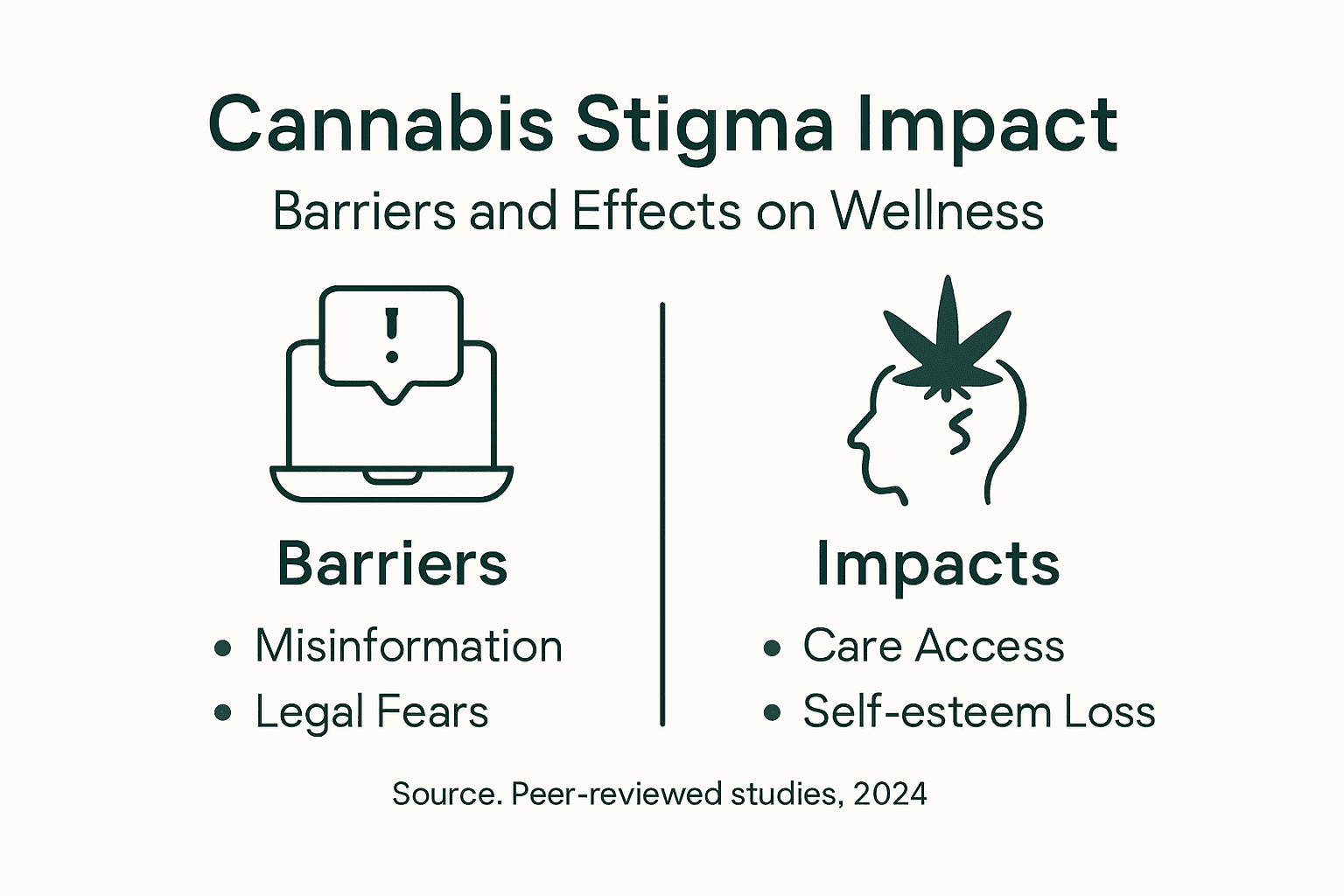
Here’s a summary of how cannabis stigma impacts individuals, healthcare, and policy:
| Area Affected | Impact of Stigma | Examples of Consequences |
|---|---|---|
| Individual Health | Decreased self-esteem | Reluctance to seek medical help |
| Healthcare Access | Provider bias | Substandard or dismissive treatment |
| Policy and Funding | Limited support for research | Restricted medical cannabis access |
Pro tip: Challenge personal biases by seeking objective, scientific information about cannabis and its potential wellness applications, approaching the topic with curiosity and openness.
Laws and Southern U.S. Policy Landscape
Cannabis policy in the Southern United States represents a complex tapestry of legal uncertainty, where state regulations often conflict with federal prohibition. Southern states historically maintain more conservative approaches to cannabis legislation, creating a challenging landscape for wellness seekers and potential cannabis users.
Each Southern state presents unique regulatory nuances, ranging from strict prohibition to limited medical cannabis programs. States like Texas, Georgia, and Florida have implemented medical marijuana programs with extremely narrow qualifying conditions, reflecting a cautious approach to cannabis access. These restrictive frameworks demonstrate how regional cultural attitudes continue to shape legal interpretations, often limiting patient choices and medical research opportunities.
Cannabis legalization trends reveal an evolving policy environment where legal status does not automatically translate to social acceptance. Southern jurisdictions frequently maintain complex legal frameworks that require residents to navigate intricate regulatory requirements, with potential criminal penalties for unauthorized possession or use. These legal complexities underscore the importance of understanding local statutes and remaining informed about rapidly changing cannabis regulations.
To better understand regional differences, here is a comparison of Southern U.S. cannabis policies:
| State | Medical Use Status | Notable Limitations |
|---|---|---|
| Texas | Very limited, strict access | Only low-THC for specific conditions |
| Georgia | CBD oil allowed | No flower, narrow eligibility |
| Florida | Medical program available | Restrictions on THC and products |
| Alabama | Recently approved, limited | Implementation still underway |
Pro tip: Always consult local legal resources and stay updated on your specific state’s cannabis regulations to ensure compliance and make informed wellness choices.
Combating Misconceptions and Building Acceptance
Strategies for reducing substance use stigma require a multifaceted approach that addresses deeply rooted societal misconceptions about cannabis. Education plays a crucial role in transforming public perception, challenging long-standing stereotypes, and promoting a more nuanced understanding of cannabis as a potential wellness tool.
Effective communication strategies involve presenting scientific evidence, personal narratives, and medical research that highlight cannabis’s therapeutic potential. By humanizing cannabis users and sharing authentic stories of wellness and recovery, communities can begin to dismantle harmful stereotypes. This approach requires moving beyond sensationalized rhetoric to engage in compassionate, fact-based dialogues that recognize the complexity of individual health experiences.
Addiction stigma reduction approaches emphasize the importance of person-centered language and policy reforms. Healthcare professionals, community leaders, and media outlets play critical roles in reshaping narrative frameworks. By choosing empathetic, non-judgmental language and focusing on individual wellness journeys, society can create more supportive environments that encourage open dialogue and reduce discriminatory attitudes toward cannabis use.
Pro tip: Engage in respectful conversations that prioritize scientific information and personal experiences, avoiding judgmental language when discussing cannabis wellness choices.
Break Free from Cannabis Stigma and Embrace Wellness with Confidence
The article highlights how cannabis stigma creates barriers that affect your wellness choices and access to truthful information. This stigma can cause hesitation before exploring the benefits of hemp-derived products and lead to confusion about what responsible cannabis use truly means. At 23State, we understand these challenges and offer a trusted space where you can confidently explore high-quality, handcrafted cannabis items designed to support your personal wellness and lifestyle goals.
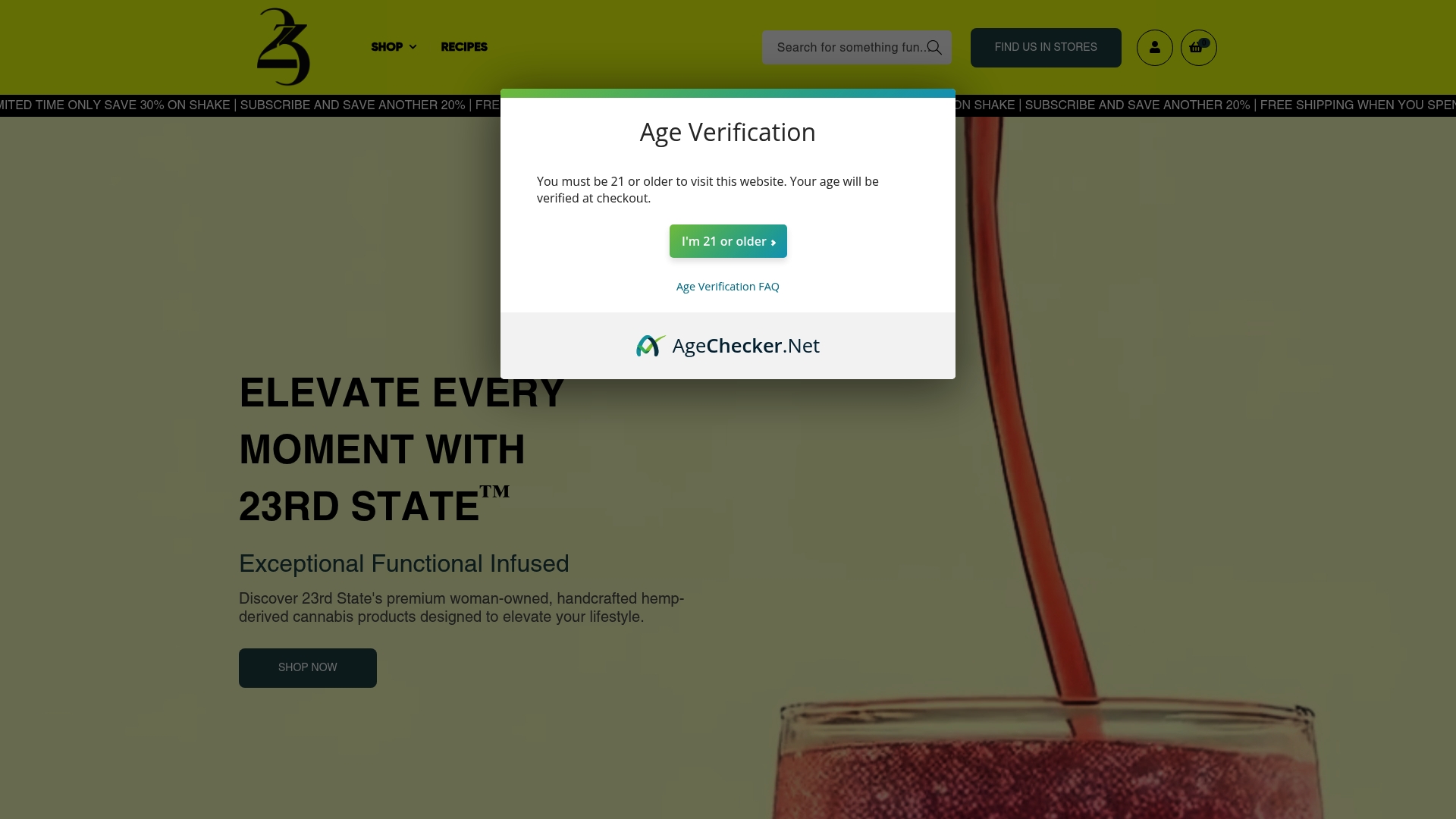
Discover a curated selection of THC and CBG-infused products, hemp-based edibles, and wellness-focused accessories all crafted with transparency and care. Take control of your wellness journey today with products from 23State and learn more about cannabis’s true potential beyond outdated myths. Don’t wait to enhance your lifestyle—visit 23State now and experience cannabis wellness without judgment.
Frequently Asked Questions
What is cannabis stigma?
Cannabis stigma refers to the societal misconceptions and negative perceptions surrounding cannabis use, often rooted in misinformation and cultural biases that label users as irresponsible or deviant.
How does cannabis stigma affect individual wellness choices?
Cannabis stigma can create barriers for individuals seeking help, leading to decreased self-esteem, reluctance to seek medical support, and internalized negative stereotypes that affect mental health and wellness.
What are some common myths about cannabis?
Common myths include the belief that cannabis is a gateway drug, universally addictive, or inherently harmful, which overlooks scientific evidence of its potential medical benefits for conditions like chronic pain and anxiety.
How can we combat cannabis stigma?
Combating cannabis stigma involves educating the public, sharing personal narratives, and using person-centered language to create supportive environments that promote open dialogues about cannabis use and wellness.