



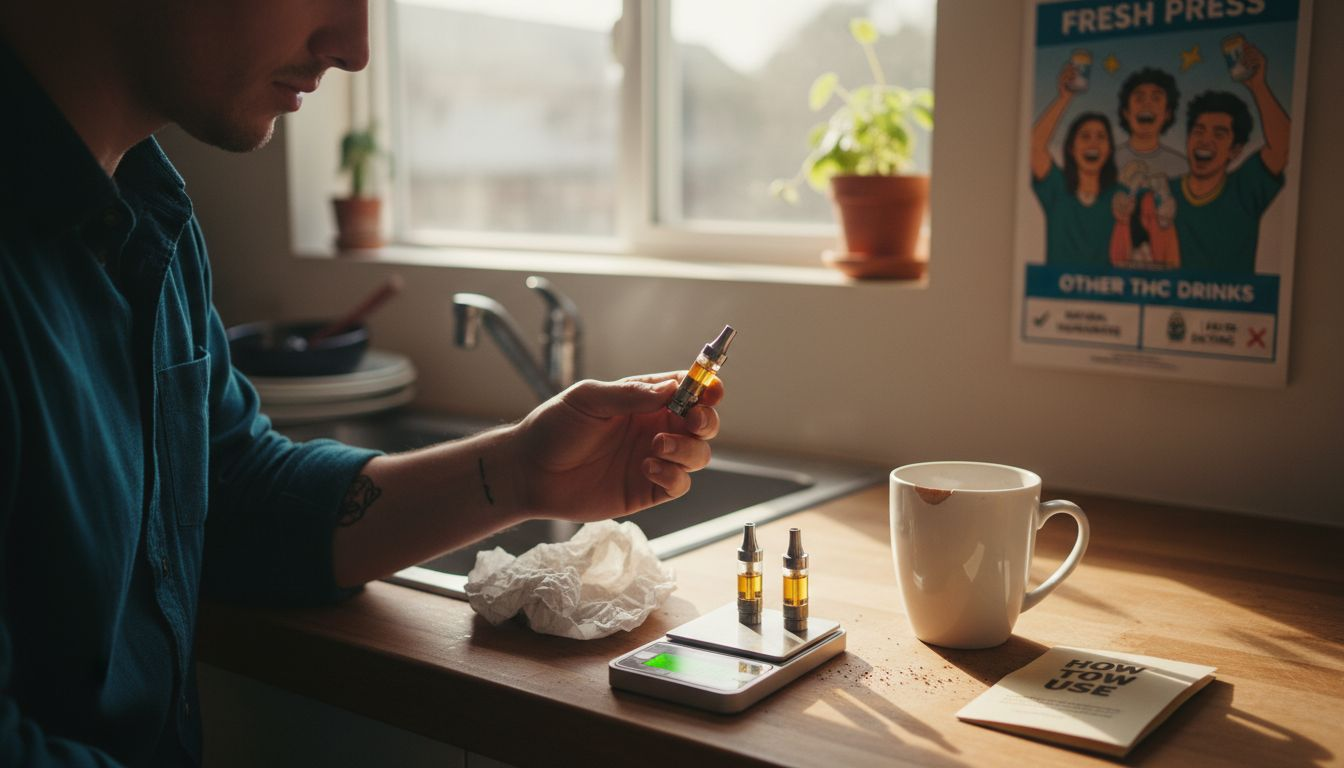
Finding products that match your wellness goals can feel complicated, especially with all the buzz around cannabis vape cartridges. As more adults across the United States seek convenient, discreet, and high-quality THC options, understanding the difference between legal and black market carts becomes crucial. Legal cartridges undergo rigorous testing to ensure potency and safety, while illicit products can contain harmful additives. This overview clarifies what cannabis carts really are, highlights key misconceptions, and helps you choose with confidence for your lifestyle and health.
Table of Contents
- Defining Cannabis Carts And Common Misconceptions
- Major Types Of Cannabis Carts Available Today
- How Cannabis Cartridges Work And Their Key Features
- Health, Safety, And Wellness Considerations
- Legal Status And Buying Cannabis Carts In The U.S.
- How Carts Compare To Other Consumption Methods
Key Takeaways
| Point | Details |
|---|---|
| Understanding Cannabis Carts | Cannabis carts are pre-filled vape cartridges with concentrated cannabis oil, offering a vaporization method that is generally viewed as safer than smoking. |
| Safety and Source Importance | Purchasing from licensed retailers ensures product safety, as legal carts undergo rigorous testing, unlike black market alternatives that may contain harmful additives. |
| Potency Awareness | Cannabis carts can have high THC concentrations that may lead to unintentional overconsumption; starting with lower doses is advisable. |
| Legal Landscape | Cannabis laws vary significantly by state; always verify local regulations and purchase from licensed sources to ensure compliance and safety. |
Defining Cannabis Carts and Common Misconceptions
A cannabis cart, or vape cartridge, is a pre-filled container of concentrated cannabis oil designed to work with a battery-powered heating device. When you attach the cart to the battery, the device vaporizes the oil into an aerosol that you inhale. These carts come in various formulations—some contain pure THC distillate, others feature full-spectrum extracts with multiple cannabinoids, and many include terpenes that enhance flavor and aroma. What makes carts different from smoking traditional flower is the delivery method itself. Rather than combustion, which produces smoke and potentially harmful byproducts, vaporization heats the oil to a temperature where it becomes an inhalable mist. This distinction matters because it changes how your body processes the cannabinoids and what you experience during and after consumption.
The market for cannabis carts has exploded over the past decade, but with that growth has come a serious problem: widespread misconceptions about safety and quality. The biggest myth people believe is that all carts are created equal or that vaping cannabis is inherently safer than other consumption methods. The truth is far more nuanced. Legal cartridges undergo rigorous testing and manufacturing standards to ensure they contain what’s on the label and nothing harmful. Licensed producers follow strict protocols including lab testing for potency, purity, and contaminants, plus safety audits throughout the manufacturing process. Black market carts, however, operate without any oversight. Some illicit producers cut their products with vitamin E acetate, pesticides, or other toxic substances to increase profits or achieve desired consistency. The consequences of using counterfeit or unregulated carts can be severe, ranging from respiratory irritation to serious lung damage. This is why the source of your cart matters tremendously.
Another common misconception is that carts are less potent than other cannabis products or that they hit your system more gently. In reality, concentrated cannabis oils are highly potent—some contain 80 to 90 percent THC or higher. A single inhalation can deliver a significant dose, which is why understanding cannabinoid differences helps you make informed choices about what you’re consuming. People also mistakenly believe that because vaping feels smoother on the throat, it’s automatically better for you or less likely to cause side effects. Smoothness and safety are not the same thing. Many people who switch to carts for comfort end up consuming more than they intended because the experience feels less intense than smoking, even though the cannabis concentration is much higher. Some folks also assume that all carts produce the same effects, ignoring the fact that strain type, terpene profile, and minor cannabinoids significantly influence your experience. A sativa-dominant cart will feel noticeably different from an indica-dominant one, and products infused with minor cannabinoids like CBG or CBN offer distinct wellness profiles compared to THC-only formulations.
Understanding what a cannabis cart actually is—and isn’t—puts you in control of your choices. Legal, regulated carts from reputable sources offer consistency, transparency, and safety. They’re tested for accurate cannabinoid content, screened for contaminants, and manufactured under controlled conditions. When you purchase from licensed retailers, you receive products backed by accountability. Black market carts, no matter how convincing their packaging looks, lack that assurance. Your health depends on knowing the difference.
Pro tip: Always purchase carts from licensed retailers in your state, verify third-party lab testing results when available, and start with a lower dose than you think you need—carts are significantly more concentrated than flower, and you can always take more but can’t take less.
Major Types of Cannabis Carts Available Today
The cannabis cart market has exploded with options, and understanding what sets each type apart helps you find what works best for your needs. The most common distinction comes down to the extraction method and oil composition. Distillate carts contain highly refined cannabis oil that has been stripped down to isolated cannabinoids, usually THC or CBD. These carts offer consistent dosing and a clean flavor profile because the distillation process removes plant matter, waxes, and terpenes. Full-spectrum carts, by contrast, preserve more of the original plant material, including minor cannabinoids and the complete terpene profile. This creates what many people call the “entourage effect”—where all the plant compounds work together to create a more nuanced experience than THC alone could provide. Live resin carts represent another tier of extraction, using fresh or freshly frozen cannabis plant material rather than dried flower. This preserves volatile terpenes that would otherwise be lost, resulting in carts that smell and taste more like the original plant. Different extraction methods produce vastly different end products, which is why two carts can look similar but feel completely different when you use them.
Beyond extraction type, carts vary significantly by cannabinoid content and formulation. THC-dominant carts are the most popular and widely available. They’re designed for people seeking the psychoactive effects cannabis is known for, and potency levels range anywhere from 60 percent to 95 percent THC depending on the product. CBD-dominant carts cater to users who want wellness benefits without the high, making them popular for daytime use or those managing anxiety and pain without intoxication. Then there are balanced carts that combine THC and CBD in roughly equal proportions, offering a middle ground where you get mild psychoactive effects alongside potential therapeutic benefits. The emerging category of specialty carts infused with minor cannabinoids like CBG, CBN, or delta-8 THC has gained traction among people looking for specific effects. Minor cannabinoids deserve attention because they interact with your body’s endocannabinoid system in distinct ways. CBG, for example, may support focus and energy, while CBN is often associated with relaxation and sleep support. These specialty formulations appeal to wellness-focused users who want to customize their experience beyond what THC alone provides.
Another layer of variety comes from strain-specific formulations. Sativa-dominant carts are typically associated with uplifting and energizing effects, making them popular for daytime use or creative activities. Indica-dominant carts lean toward relaxation and sedation, preferred by many people in the evening or for stress relief. Hybrid carts blend characteristics of both, offering balanced effects that sit somewhere in between. The actual experience you get depends on the terpene profile and minor cannabinoids present in each strain, not just the label. Some brands also offer flavored or terpene-enhanced carts where additional terpenes are added for taste and aroma, or even carts infused with natural flavoring compounds. These appeal to people who want their wellness ritual to feel more like a flavor experience. Some users gravitate toward carts with added botanical ingredients or adaptogens, designed to enhance specific wellness outcomes like calm, focus, or energy.
What matters most is finding a cart type that aligns with your goals, tolerance level, and consumption style. If you’re new to cannabis, a lower-potency distillate or CBD-dominant cart offers predictability. If you’re experienced and seeking nuance, full-spectrum or live resin carts with specific strain profiles might appeal to you more. The variety of cannabis product types available means there’s genuinely something for different preferences and wellness objectives. Start by clarifying what you want from your experience: Are you seeking relaxation, focus, pain relief, or just recreational enjoyment? That answer will guide you toward the right cart type for your situation.
Here’s a summary of common cannabis cart types and their distinguishing features:
| Cart Type | Main Cannabinoids | Flavor Experience | Typical Use Case |
|---|---|---|---|
| Distillate | THC or CBD isolates | Mild, clean | Consistent dosing |
| Full-spectrum | Multiple cannabinoids | Rich, nuanced | Enhanced entourage effect |
| Live resin | Many cannabinoids | True-to-plant, robust | Flavor enthusiasts |
| Specialty | CBG, CBN, Delta-8 | Varied, often unique | Specific wellness goals |
Pro tip: Start with a lower potency cart if you’re new to vaping, test one type thoroughly before switching products, and pay attention to how different cannabinoid ratios and terpene profiles affect your experience so you can dial in what works best for your body and goals.
How Cannabis Cartridges Work and Their Key Features
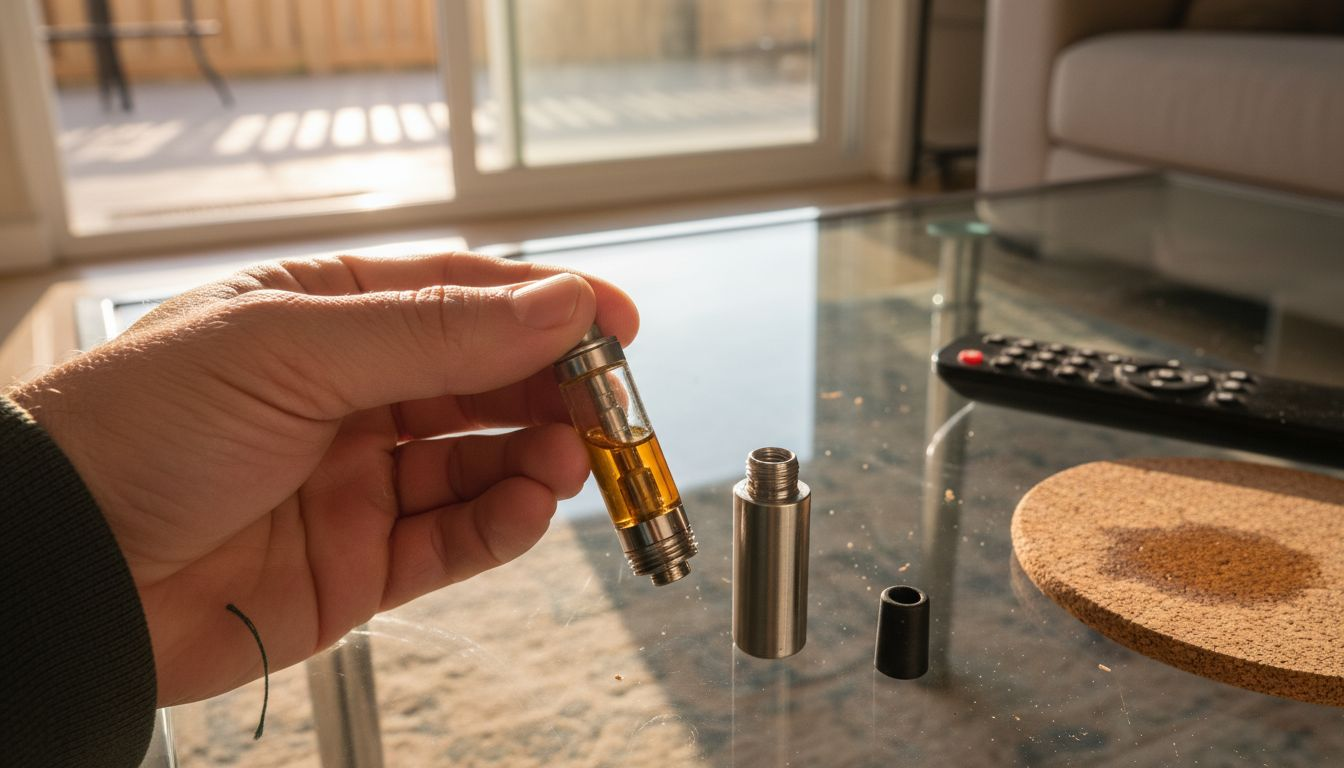
Understanding how a cannabis cartridge actually functions takes the mystery out of the experience. At its core, a cart operates through a simple but effective mechanism. Inside the cartridge sits a small heating element called an atomizer, powered by a battery device you screw the cart onto. When you activate the battery by pressing a button or inhaling through the mouthpiece, the atomizer heats up to a specific temperature, typically between 350 and 400 degrees Fahrenheit. This heat doesn’t ignite the cannabis oil like a flame would with flower. Instead, it gently vaporizes the concentrated oil into an aerosol that you then inhale through the mouthpiece. The entire process happens in seconds. What makes this different from smoking is that vaporization releases cannabinoids without burning plant material, which means fewer harmful combustion byproducts enter your lungs. The atomizer is engineered to maintain consistent heat, which is crucial for reliable dosing and flavor. Most quality carts have adjustable voltage settings, allowing you to customize how hot the atomizer gets. Lower voltages produce softer vapor and preserve terpenes for better flavor. Higher voltages create denser clouds but can potentially degrade some of the more delicate compounds in the oil.
Key Features That Matter
Modern cannabis cartridges come packed with thoughtful design features that directly affect your experience. Portability and discretion rank high on the list. Carts are compact enough to fit in a pocket or bag, and they produce minimal odor compared to smoking flower. You can use a cart in settings where traditional smoking would be obvious. Dosage control is another major advantage. Most carts show you exactly how many milligrams of THC or CBD you’re consuming per puff, and vape cartridges deliver controlled and potent doses that feel consistent from one use to the next. This precision matters whether you’re microdosing for wellness or seeking a specific experience level. Battery compatibility is essential to understand. Most standard carts use a 510 thread connection, meaning they’ll work with any 510-threaded battery. However, some brands use proprietary connections, so verify compatibility before purchasing. The battery itself comes in various styles, from basic button-activated devices to pens with temperature controls that let you fine-tune your experience.
Quality features separate premium carts from cheaper alternatives. Glass or ceramic reservoirs house the cannabis oil, and glass is generally preferred because it doesn’t interact with the oil and won’t leach chemicals. Cheap plastic reservoirs can degrade over time and affect flavor. Wick design influences how oil flows to the atomizer. Quality wicks are ceramic or cotton and distribute oil evenly, preventing dry hits where you inhale without getting vapor. Airflow design affects how smoothly you can draw from the cart. Better carts have refined airflow paths that create smooth, consistent pulls. Lab testing and compliance are crucial features you should never overlook. Legal cartridges are tested to ensure accurate potency and safety, with third-party labs verifying cannabinoid content, screening for pesticides and heavy metals, and confirming that no harmful additives are present. When you purchase a regulated cart, you receive a product backed by transparency and accountability. You’ll find a QR code or batch number on the packaging that links to testing results. Counterfeit or black market carts skip this step entirely, which is why they can be dangerous.
The user experience features also enhance how carts fit into your lifestyle. Temperature control options let you customize your session. Some battery devices offer multiple voltage settings or even preset temperature profiles. LED indicators show battery level so you know when to charge. Draw activation versus button activation comes down to preference. Some people prefer the hands-free simplicity of inhaling to activate, while others like the control of pressing a button. Battery life and charging speed vary significantly. A quality battery lasts all day with moderate use and charges fully in an hour or two. Cheap batteries might give you just a few hours of use. When evaluating a cart, look beyond the product itself to the entire system. The atomizer, battery, reservoir material, airflow design, and lab testing work together to create either a mediocre or exceptional experience. Premium brands invest in all these elements because they know that reliability and safety create customer loyalty. Budget options cut corners on atomizer quality or use inferior materials, resulting in poor vapor production, inconsistent dosing, or worse, contaminated products.
Pro tip: Charge your battery fully before first use, start with lower voltage settings to preserve flavor and cannabinoid profile, and store your cart upright in a cool place to prevent oil from leaking into the battery connection.
Health, Safety, and Wellness Considerations
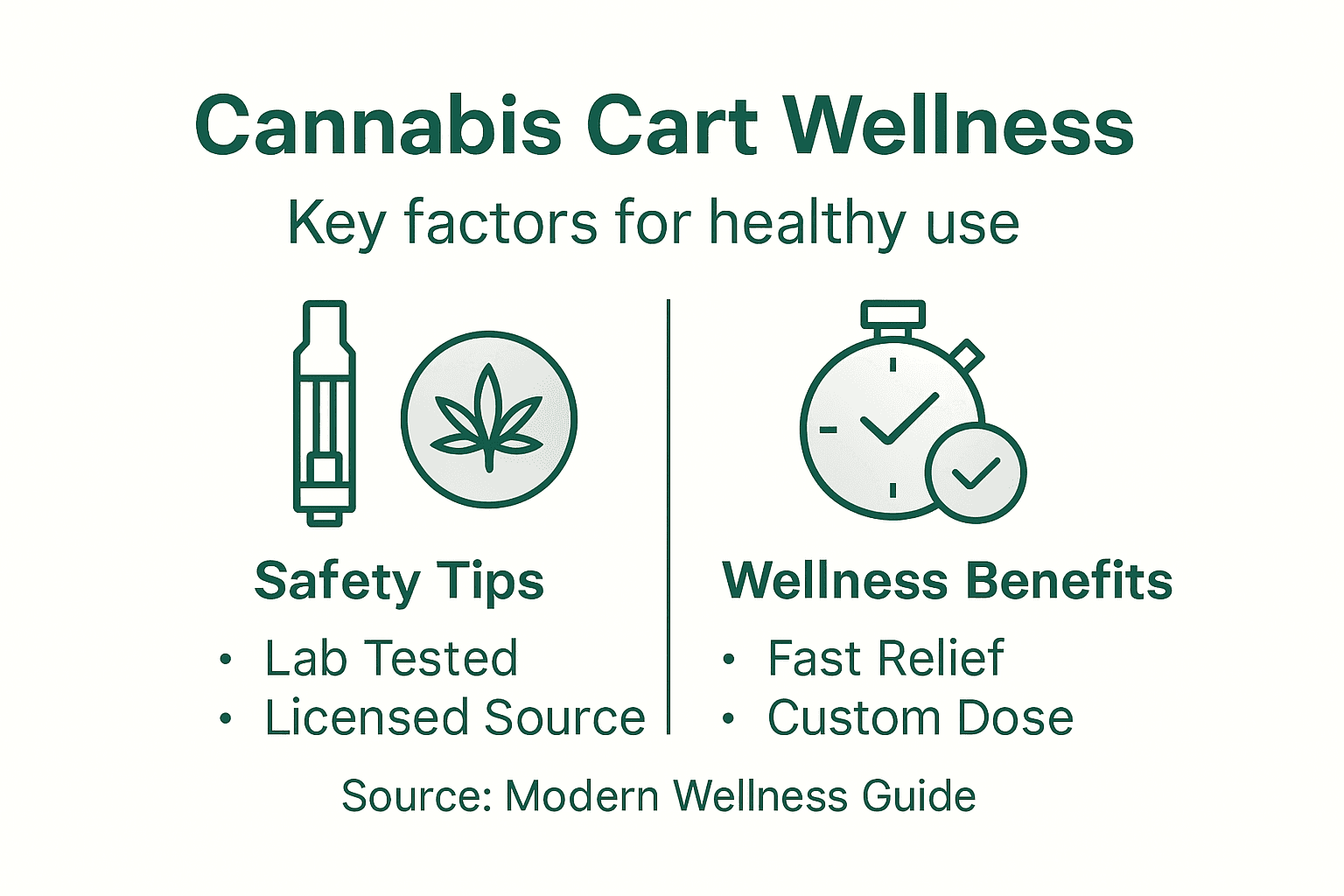
Cannabis carts deliver a concentrated dose of cannabinoids directly into your bloodstream through inhalation, which makes understanding the health implications essential before you use them. The reality is nuanced. Legal, regulated carts purchased from licensed retailers are vastly safer than their black market counterparts because they undergo rigorous testing and manufacturing oversight. However, vaping cannabis still carries health considerations you should understand. When you inhale any substance, you’re introducing it into your respiratory system, and the process of heating and vaporizing oils can release chemical byproducts. Quality devices with ceramic or stainless steel components minimize this risk, but it remains a factor. The 2019 EVALI outbreak provided a stark reminder of what can happen when regulation fails. That lung injury epidemic was primarily linked to illicit vape products containing vitamin E acetate, a thickening agent used in black market carts to cut costs and create the illusion of a fuller product. Hundreds of people were hospitalized with severe respiratory damage. Legal products do not contain vitamin E acetate or other cutting agents because testing requirements prohibit them. This is why source matters so much. When you buy from a licensed retailer, you’re choosing a product that has been tested and verified safe. When you buy from an unlicensed source, you’re taking an unknown risk.
Understanding Individual Health Factors
Beyond product safety, your personal health status affects how cannabis affects you. Lung health is the most obvious consideration. If you have asthma, chronic obstructive pulmonary disease (COPD), or other respiratory conditions, vaping cannabis introduces additional irritants to your lungs. Some people with these conditions use carts because they perceive vaping as safer than smoking, but the inhalation aspect still poses risks. Mental health factors also matter significantly. Cannabis affects dopamine and serotonin levels in your brain. For people with a family history of schizophrenia, bipolar disorder, or other psychiatric conditions, regular THC use can trigger or worsen symptoms. High potency carts containing 80 to 95 percent THC present higher risk than lower potency options. Age and brain development represent critical considerations. Your brain continues developing until your mid-twenties, and regular cannabis use during this window can affect memory, learning capacity, and impulse control. Young adults and teenagers face greater risks from consistent cart use than adults in their thirties and forties. Addiction potential is real, though often downplayed. Cannabis can create psychological dependence, especially with high potency products used regularly. Some people find themselves using carts more frequently than intended, chasing the experience or using them to manage stress and anxiety. Over time, this can escalate into a pattern where you feel uncomfortable without it.
The wellness benefits people seek from cannabis carts are legitimate for many users, but they work best within a balanced approach. Stress and anxiety management can be achieved with lower potency carts or CBD-dominant products that don’t produce intoxication. Pain relief is a common reason health-conscious adults explore carts, and many report genuine benefit. Sleep support appeals to people struggling with insomnia, particularly carts containing CBN or indica-dominant strains. Creative or social enhancement brings enjoyment to recreational users in controlled settings. The key difference between wellness use and problematic use comes down to intentionality, frequency, and impact on your life. If you use a cart occasionally in specific contexts with clear purposes, that looks different from daily use to manage difficult emotions or situations. Vaping cannabis can expose users to harmful additives and contaminants, which is why the source and testing of your product matters so profoundly. Legal products eliminate this exposure. But the cannabinoids themselves carry health considerations that no amount of testing can remove. You need to evaluate whether cannabis serves your wellness goals or works against them.
Making Informed Decisions
If you decide to use cannabis carts, harm reduction strategies minimize risk. Start with lower potency products to understand how your body responds. A 60 percent THC cart feels completely different from a 90 percent THC cart, and beginners often overestimate their tolerance. Use carts in settings where you feel safe and can monitor your response. Keep hydration on hand because cannabis can cause cottonmouth and dehydration. Avoid driving or operating machinery for at least several hours after using a cart. If you have respiratory concerns, talk to a healthcare provider before starting. If you have any history of mental health conditions, discuss cannabis use with a medical professional to understand your specific risk factors. Most importantly, buy only from licensed retailers in your state. The price difference between legal and black market carts may seem significant, but your health is worth the investment. Licensed retailers can show you lab testing results, explain the product accurately, and provide guidance on safe use. Black market sellers offer none of these protections.
Pro tip: If you’re new to carts or have health concerns, start with a CBD-dominant or balanced product at lower potency, keep a record of how you feel after each use, and establish clear boundaries around frequency so you can evaluate whether cannabis is actually supporting your wellness or becoming a habit.
Legal Status and Buying Cannabis Carts in the U.S.
The legal landscape for cannabis carts in the United States is fragmented and constantly shifting, which means the legality of buying and using them depends entirely on where you live. At the federal level, cannabis remains a Schedule I controlled substance, which technically prohibits its manufacture, sale, and possession across the country. However, this federal prohibition coexists with a patchwork of state laws that have created a complex and sometimes contradictory system. 41 states and jurisdictions have legalized medical cannabis, while 24 states plus Washington D.C. have legalized recreational use. This means that in those jurisdictions, cannabis carts are legal to purchase and possess within specific guidelines. In states without legalization, carts remain illegal, and possession can result in criminal charges ranging from misdemeanors to felonies depending on the amount and the state’s laws. The disconnect between federal and state law creates a situation where you can legally buy a cart in one state but be committing a federal crime the moment you cross state lines with it. Interstate transport of cannabis is illegal under federal law, even if both states allow it. This is crucial to understand if you live near a state border or travel frequently.
Understanding Your State’s Specific Laws
If you live in a state with legalized cannabis, the specifics of how you can buy carts vary significantly. Recreational states allow adults 21 and older to purchase carts from licensed retailers without needing a medical justification. You walk into a dispensary, show your ID, and buy products just like you would alcohol or tobacco. Legal purchase requires compliance with state regulations including product testing, licensing, and restrictions on sales. This means every cart sold has undergone third-party lab testing for potency, purity, and contaminants. The retailer itself has been licensed and inspected. The products come with labels showing exact cannabinoid content, batch numbers, and test results. Medical-only states allow purchase only with a valid medical cannabis card, which requires a doctor’s recommendation and registration with the state. The process varies by state. Some states make cards easy to obtain, while others require documented proof of a qualifying condition. Medical states also have testing requirements, but the specific regulations differ from recreational states. States with both medical and recreational programs offer different access paths. If you have a medical card in a recreational state, you typically get benefits like tax exemptions or higher purchase limits compared to recreational customers.
Before purchasing carts, you need to know your state’s specific rules about possession limits, where you can use them, and what happens if you’re caught without legal status. Some recreational states allow you to possess up to an ounce of cannabis flower or equivalent amounts of concentrates, while others limit possession to smaller quantities. Some states allow home use but prohibit use in public spaces. Some states prohibit consumption while driving, similar to DUI laws for alcohol. Medical states often have different limits for registered cardholders. Penalties for illegal possession range dramatically. In some states, possession of small amounts is a misdemeanor with fines under 100 dollars. In others, it’s a felony carrying prison time. Employment and housing implications matter too. Employers in states with legalized cannabis can still test for and fire employees for cannabis use in many cases, particularly if you work in safety sensitive positions. Landlords can prohibit cannabis use on their properties even in legalized states. Understanding your local laws means checking your state’s official cannabis regulatory agency website for current rules. Laws change, and what was illegal last year might be legal now, or vice versa.
How to Buy Carts Safely and Legally
If carts are legal in your state, buying from licensed retailers is the only way to ensure quality and safety. Licensed dispensaries stock products that have been tested and verified. You’ll find detailed lab reports showing cannabinoid profiles, pesticide screening results, and microbial testing. Staff at legitimate retailers are trained to answer questions about products, effects, and appropriate dosing. They can help you navigate the options and find something aligned with your goals. Unlicensed sellers, street dealers, and online black market sources offer no such guarantees. Their products are untested and unregulated. They may contain contaminants, incorrect potency levels, or dangerous additives. The price difference between legal and illegal carts might seem worth it in the moment, but one contaminated cart can cause serious health problems. When you buy from a licensed retailer, you also get consumer protections. If a product is defective or unsafe, you can report it to the retailer and the state regulatory agency. The retailer faces penalties, creating accountability. With black market purchases, you have no recourse. Building a relationship with a trusted dispensary helps you find consistent quality and get personalized recommendations. Many dispensaries offer loyalty programs, educational resources, and staff you can ask questions. Some offer first time customer discounts, text alerts about new products, or bulk purchase deals. Taking time to find a dispensary that fits your needs and values enhances your experience.
Pro tip: Check your state’s official cannabis regulatory agency website before purchasing to confirm current laws, verify that your local dispensary is licensed by looking it up in the state registry, and always ask for third-party lab testing results before buying so you know exactly what you’re getting.
How Carts Compare to Other Consumption Methods
Cannabis carts exist within a broader ecosystem of consumption methods, each offering distinct advantages and drawbacks. Understanding how they stack up against alternatives helps you choose what works best for your lifestyle and wellness goals. Smoking flower remains the traditional method millions prefer. When you smoke cannabis flower, you’re combusting plant material, which releases cannabinoids almost instantly. The effects hit within minutes, giving you immediate feedback on how your body responds. This rapid onset appeals to people managing acute pain or anxiety who need quick relief. However, smoking produces smoke containing harmful byproducts from combustion, similar to tobacco smoke. It’s also the most noticeable consumption method, producing strong odor that lingers on clothes and in spaces. Smoking damages lung tissue over time with repeated use. For people with respiratory issues, it’s the worst option. Smoking also wastes cannabinoids because some are destroyed by the heat. Vape carts offer a middle ground. Vaping heats cannabis to release cannabinoids without combustion, reducing exposure to harmful smoke byproducts. The onset is nearly as fast as smoking, usually within 5 to 15 minutes. Carts are discreet, portable, and produce minimal odor. You control dosage precisely with each puff. The downside is that quality varies enormously depending on whether the cart is legal and tested. Illicit carts can contain dangerous additives. Equipment costs money upfront, though batteries last years with proper care.
Carts Versus Edibles
Edibles like gummies, chocolates, baked goods, and beverages offer a fundamentally different experience. When you consume an edible, your digestive system metabolizes the cannabinoids, which takes 30 minutes to two hours before you feel effects. This delayed onset confuses many people. They consume an edible, feel nothing after 20 minutes, panic, and consume more. Then all the doses hit at once several hours later, creating an overwhelming experience. Once effects do arrive, they last significantly longer than other methods, often 4 to 8 hours or more. This extended duration appeals to people seeking all-day relief from chronic conditions like pain or anxiety. Edibles are incredibly discreet and convenient. No equipment needed, no smell, no learning curve. You just eat or drink something that tastes good. The challenge with edibles is that potency varies based on your metabolism, what you’ve eaten, and individual factors. Two people consuming identical edibles can have vastly different experiences. Edibles also make accidental overconsumption easy because you don’t feel effects immediately. Edibles provide longer-lasting effects but with delayed onset, requiring different dosing considerations. Starting with a low dose of 2.5 to 5 milligrams of THC and waiting at least two hours before consuming more prevents bad experiences.
The Practical Comparison
Choosing between methods comes down to your specific situation and priorities. If you need quick relief from acute symptoms, carts or smoking work best because effects arrive within minutes. Edibles won’t help if you need relief right now. If you value discretion and convenience, carts and edibles both excel. Smoking is the least discreet option. If you have respiratory concerns, avoid smoking entirely. Between carts and edibles, carts are gentler on lungs because they avoid combustion, though inhalation still poses some risks. If you’re seeking long-lasting relief, edibles are superior. One edible can provide 6 to 8 hours of consistent effects, while carts require repeated dosing throughout the day. If you prioritize flavor and sensory experience, carts with quality terpenes offer the most control over taste and aroma. Edibles taste good but don’t offer the nuanced flavor profiles carts can deliver. If cost matters, edibles and carts are comparable in price per dose, while smoking flower is often cheapest upfront but wastes more cannabinoids.
Here’s a practical comparison of cannabis carts, edibles, and flower across major user priorities:
| Priority | Carts | Edibles | Flower |
|---|---|---|---|
| Onset Speed | 5–15 minutes | 30–120 minutes | Immediate (1–5 minutes) |
| Discretion | Minimal odor, portable | No odor, highly discrete | Strong odor, not discrete |
| Control | Precise dosing per puff | Harder to adjust after use | Easy to titrate by puff |
| Duration of Effects | 1–3 hours | 4–8 hours | 1–2 hours |
Finding Your Method
Many experienced users employ different consumption methods for different situations. They might use a cart for daytime focus or quick relief, an edible for evening relaxation that lasts all night, and save flower for social settings where smoking feels appropriate. This flexibility allows you to optimize for whatever you need in the moment. The key is recognizing that no single method is universally best. A method that works perfectly for one person might not suit another. What matters is understanding the tradeoffs and choosing based on your priorities. Start by clarifying what you actually need from cannabis. Are you managing a chronic condition requiring consistent, long-lasting relief? Edibles might be your answer. Do you need something you can carry discreetly and use quickly when needed? Carts fit that profile. Are you exploring cannabis recreationally and want to feel effects immediately? Try smoking or carts before investing in edibles. Testing different methods with lower doses helps you understand how your body responds and which option truly enhances your life.
Pro tip: If you’re new to cannabis, start with a cart or low-dose edible in a comfortable setting with no obligations, note how different products and doses affect you, and keep this information to guide future purchases so you can dial in the perfect consumption method for your needs.
Discover Safe and Effective Cannabis Carts for Your Wellness Journey
Navigating the world of cannabis carts can be overwhelming with so many choices and concerns about potency, safety, and quality. This article highlights the importance of selecting products from trusted sources that undergo rigorous testing to ensure purity and accurate cannabinoid content. If you want to experience the entourage effect or explore specialty cannabinoids like CBG and CBN for specific wellness benefits, having access to reliable options is crucial.
Explore premium selections of thoughtfully crafted carts and hemp-based products at 23State. Whether you are seeking balanced experiences with CBD or targeting unique effects found in CBG and CBN formulations, you can trust that every product meets high standards for quality and transparency. Start your journey now by visiting 23State for wellness solutions that support both your lifestyle and health goals.
Frequently Asked Questions
What is a cannabis cart?
A cannabis cart, or vape cartridge, is a pre-filled container of concentrated cannabis oil designed for use with a battery-powered device that vaporizes the oil for inhalation.
How do cannabis carts differ from smoking flower?
Cannabis carts use vaporization instead of combustion, producing an inhalable mist rather than smoke. This method reduces harmful byproducts and changes how cannabinoids are processed by the body.
What are the different types of cannabis carts?
Common types of cannabis carts include distillate carts, which offer a clean flavor and consistent dosing, full-spectrum carts that preserve more of the plant’s compounds, and live resin carts that retain the original flavor profile of fresh cannabis.
What should I consider when using cannabis carts?
Consider factors such as potency, formulation, and your own health status. Start with lower doses, verify third-party lab testing for safety, and pay attention to how different products and dosages affect your experience.