




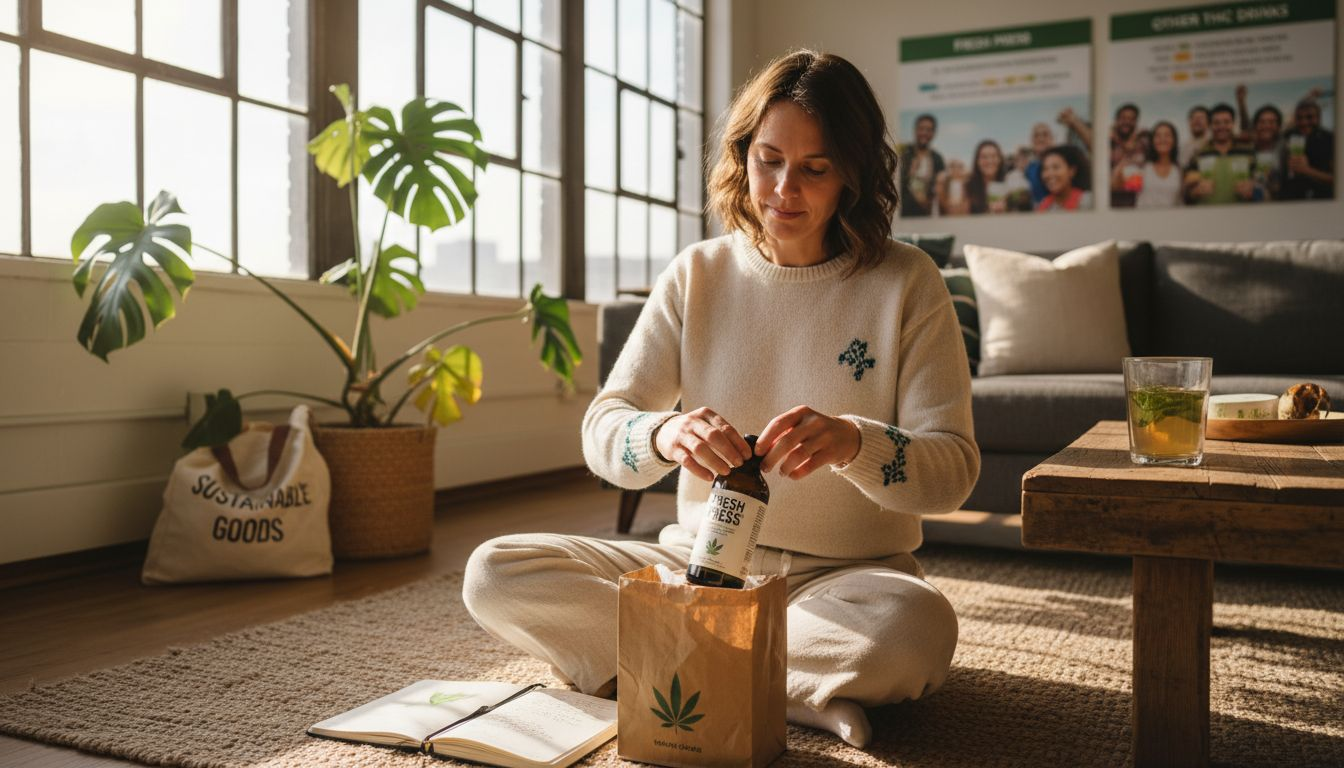
Finding truly eco-friendly hemp products in California can feel overwhelming when every brand claims to be green and sustainable. Choosing authentic options matters for your wellness and the health of the planet, especially when hemp’s versatility and sustainability influence everything from food to personal care. By knowing your needs, you can filter through the noise, prioritize products that genuinely match your values, and feel confident that your choices support both your body and the environment.
Table of Contents
- Step 1: Assess Your Hemp Needs And Preferences
- Step 2: Select Authentic Eco-Friendly Hemp Products
- Step 3: Implement Sustainable Usage Habits
- Step 4: Verify Eco-Friendly Practices And Outcomes
Quick Summary
| Key Insight | Explanation |
|---|---|
| 1. Assess your hemp needs | Identify your wellness goals, preferences, and lifestyle to choose the right hemp products. |
| 2. Select sustainable products | Look for authentic hemp products sourced from eco-friendly practices to ensure quality and responsibility. |
| 3. Implement usage habits | Establish consistent consumption routines that align with your wellness goals and reduce waste. |
| 4. Verify eco-friendly claims | Research and confirm brands’ sustainability practices to distinguish genuine products from greenwashing. |
Step 1: Assess your hemp needs and preferences
Before you dive into any hemp product, take a moment to think about what you’re actually looking for. Are you seeking wellness support, recreational enjoyment, a specific wellness goal, or simply curious about adding hemp to your daily routine? Your answer shapes everything that comes next. This isn’t about overthinking it; it’s about being intentional with your choices. Someone drawn to hemp for evening relaxation has completely different needs than someone exploring daytime focus or social wellness moments.
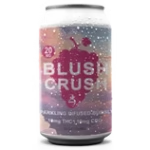
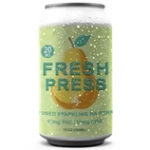
Start by considering your lifestyle and how hemp fits into it. Think about when you’d use hemp products, how often, and what outcomes matter to you. Do you prefer beverages, edibles, or other formats? Are you sensitive to certain ingredients, or do you have dietary preferences? The beauty of hemp is its versatility across food, textiles, and wellness applications, which means your options are genuinely diverse. Reflect on your comfort level too. If you’re new to hemp, you might want something approachable with clear dosing information. If you’re experienced, you might explore different cannabinoid profiles or flavor experiences. You can explore various hemp wellness drink options to see what resonates with your preferences and discover products that match your wellness goals.
Also consider your values around sustainability and sourcing. Hemp cultivation practices significantly impact environmental outcomes, from carbon footprint to water use, so knowing whether a product comes from responsible farming matters if that’s important to you. Finally, be honest about your budget and frequency of use. Regular daily use calls for different product choices than occasional weekend enjoyment. Knowing these parameters upfront prevents wasted money and ensures you find hemp products that genuinely fit your life.
Here’s a quick reference to help you match your hemp needs with recommended product forms:
| Wellness Goal | Product Type | Key Consideration |
|---|---|---|
| Evening relaxation | Edibles or teas | Look for calming cannabinoids |
| Daytime focus | Beverages or tinctures | Choose products with energizing effects |
| Social enjoyment | Infused drinks | Pick approachable flavors |
| Routine wellness support | Capsules or oils | Prioritize easy dosing formats |
| Dietary sensitivities | Gummies or drops | Check for allergen-free options |
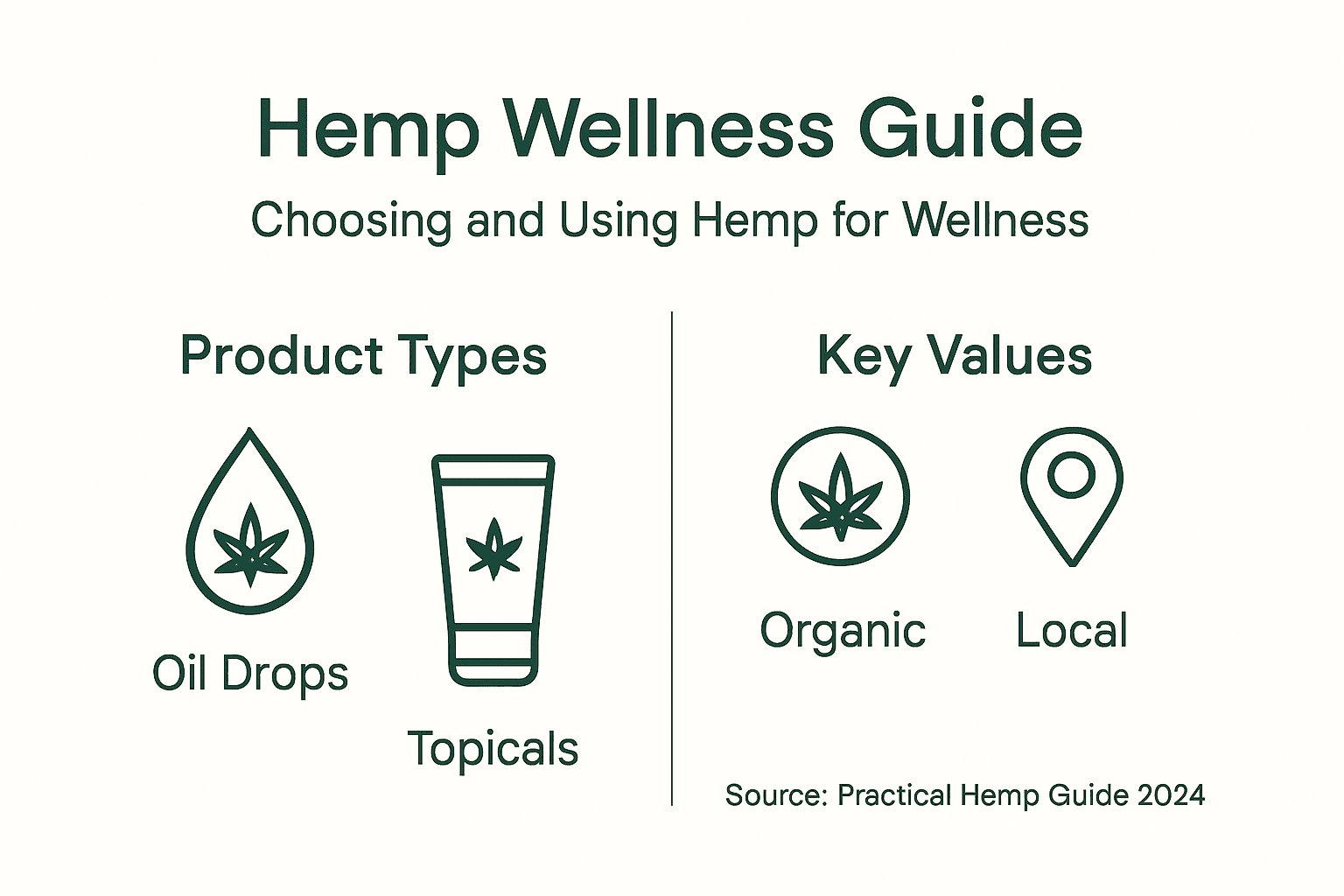
Pro tip: Write down your top three hemp goals and refer back to them while exploring products, which prevents impulse purchases and keeps you aligned with what actually serves your wellness journey.
Step 2: Select authentic eco-friendly hemp products
Now that you know what you’re looking for, it’s time to find products that actually deliver on their promises. Authenticity matters here, and so does environmental responsibility. When you’re shopping for hemp products, you want to make sure they’re genuinely made from hemp and sourced from sustainable practices, not just marketing hype dressed up in green packaging. The difference between a truly eco-friendly product and one that’s simply labeled that way can be substantial, especially when you care about your wellness and the planet.
Start by checking the source of the hemp itself. Look for information about where the hemp was grown and how it was cultivated. Products made from sustainable agricultural practices tend to have lower environmental impact and better quality profiles. Regenerative farming methods matter because they improve soil health rather than depleting it. Next, examine the ingredient list and processing methods. Authentic hemp products should list hemp prominently and use clean extraction or processing techniques without unnecessary chemicals. If you can find third-party testing results or certifications, even better. Those validate that what’s on the label is actually in the bottle or package. Pay attention to transparency too. Companies that are genuinely committed to sustainability and quality usually provide detailed information about their sourcing, processing, and environmental practices. If a brand is vague about these details, that’s a red flag. Also consider the product format itself. Some hemp products come in recyclable or compostable packaging, which aligns with the eco-friendly values driving your purchase. When selecting beverages, edibles, or other formats, think about the entire lifecycle of the product, not just the hemp inside it.
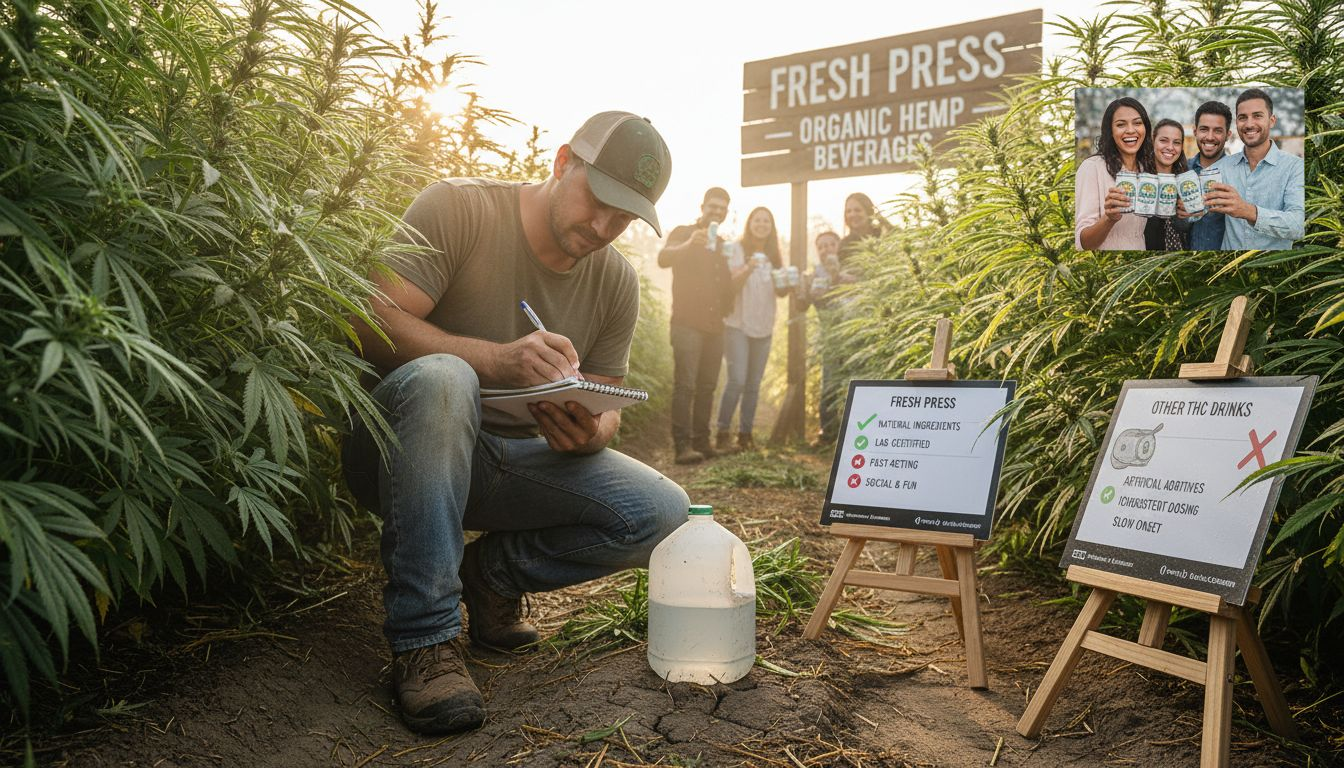
Finally, compare a few options before committing. Different brands offer different quality levels, flavor profiles, and sourcing practices. Take time to read reviews from other health-conscious consumers, check certifications, and match the product’s qualities with your preferences from Step 1. You don’t need to overthink it, but doing this homework upfront ensures you’re investing in products that genuinely serve your wellness goals and align with your values.
Pro tip: Request product sourcing information directly from brands you’re considering, as companies transparent about their hemp origins and sustainability practices are usually worth trusting with your wellness routine.
Step 3: Implement sustainable usage habits
Having the right products is only half the equation. How you use them matters just as much for your wellness and for supporting the environmental benefits hemp offers. Building sustainable usage habits means being intentional about consumption, measuring your intake, and making choices that align with both your wellness goals and ecological values. This step transforms your hemp products from a one-off purchase into a meaningful part of your lifestyle that you can feel good about long-term.
Start by establishing a consistent routine that works for your daily life. Whether you prefer morning wellness rituals, evening relaxation moments, or occasional social enjoyment, consistency helps you understand how hemp affects you and prevents overconsumption. Keep track of your usage patterns for the first week or two. Notice how different amounts and times of day influence your wellness, mood, and energy. This awareness prevents waste and helps you dial in the right amount for your specific needs. Storage matters too. Keep hemp products in cool, dark places to preserve their quality and potency, which means you’ll get more benefit per serving and won’t need to replace products as often. When choosing specific products, prioritize those using organic farming methods and minimal pesticide usage since these cultivation approaches protect soil health and reduce environmental impact. By supporting brands committed to regenerative farming, you’re voting with your wallet for sustainable practices that benefit everyone.
Consider your consumption from a lifecycle perspective too. Use products completely before purchasing more rather than accumulating partially used bottles. This reduces packaging waste and ensures you’re actually benefiting from what you buy. Share quality hemp experiences with friends when appropriate, which amplifies the value of each purchase and builds community around mindful consumption. Think about how your hemp usage aligns with your broader wellness picture. Are you using it instead of something less sustainable? Does it serve your actual needs or are you using it out of habit? Being thoughtful about these questions keeps your practice aligned with your values and prevents unnecessary consumption that contradicts the eco-friendly foundation of your choices.
Pro tip: Start a simple usage journal tracking when you use hemp products and how you feel afterward, which reveals your optimal consumption patterns while helping you appreciate the benefits enough to avoid unnecessary overuse.
Step 4: Verify eco-friendly practices and outcomes
You’ve made thoughtful choices about your hemp products and usage habits, but how do you know those choices are actually delivering the environmental benefits you expect? Verification is where good intentions meet real impact. This step teaches you to look beyond marketing claims and examine whether the brands and products you’ve chosen genuinely support eco-friendly practices. It’s about becoming a savvy consumer who understands the difference between greenwashing and authentic sustainability.
Start by researching the scientific evidence behind environmental claims. Reputable hemp producers often reference life cycle assessments measuring carbon footprints and sustainability outcomes, which provide verified data about their production methods. If a brand claims to be eco-friendly but can’t point to any scientific backing or third-party verification, that’s a sign to dig deeper. Look for certifications from recognized organizations or access to transparency reports that detail their farming practices and environmental metrics. Check whether the company uses all parts of the hemp plant rather than letting portions go to waste, since holistic utilization is key to achieving real sustainability benefits. You can also examine whether they prioritize carbon sequestration and soil regeneration through their farming methods, which are measurable indicators of genuine eco-friendly practice.
Compare major sustainability verifications for hemp products:
| Verification Type | What It Confirms | Why It Matters |
|---|---|---|
| Third-party lab test | Label matches contents | Ensures product accuracy |
| Organic certification | No synthetic pesticides used | Protects environment |
| Regenerative farming | Soil health prioritized | Long-term ecological benefit |
| Transparent sourcing | Farm origins disclosed | Shows brand accountability |
Go beyond the product itself and consider the company’s broader commitment. Do they source from multiple farms or concentrate production? Are they transparent about their supply chain? Do they invest in continuous improvement of their environmental practices, or are they static in their approach? Real sustainability is an ongoing journey, not a destination. Compare what different brands claim against what they actually document. Ask questions directly if information is missing. Companies serious about environmental impact usually respond enthusiastically to customer inquiries about their practices. Over time, you’ll develop intuition about which brands truly walk the walk and which ones are simply riding the eco-friendly wave. That knowledge transforms you from a passive consumer into an active participant in creating demand for genuinely sustainable hemp products.
Pro tip: Bookmark certification databases and third-party testing sites so you can quickly verify a brand’s sustainability claims before purchasing, saving time while ensuring your money supports genuinely eco-conscious producers.
Elevate Your Eco-Friendly Hemp Journey with Trusted Wellness Products
Navigating the world of hemp wellness means balancing your goals for relaxation, focus, and sustainability. If you value authenticity and want products that align with your eco-conscious lifestyle, explore our premium selection of hemp-derived offerings. Whether you are interested in calming effects or daily wellness support our CBD and CBG collections feature carefully curated products made with responsible sourcing and transparent practices.
Discover quality you can trust at 23State. Act now to embrace hemp solutions designed to enhance your well-being while honoring the environment. Start your sustainable hemp experience today and support brands that truly prioritize regenerative farming and authentic ingredients.
Frequently Asked Questions
How do I assess my hemp needs for wellness?
To assess your hemp needs, reflect on your lifestyle and wellness goals. Consider when you would use hemp products, preferred formats like edibles or tinctures, and any dietary restrictions. Write down your top three wellness goals to guide your product selection.
What should I look for in eco-friendly hemp products?
When selecting eco-friendly hemp products, verify the source of the hemp and the farming practices used. Look for clear ingredient lists, certifications, and transparency regarding sourcing. Prioritize products that use sustainable agricultural methods to ensure they align with your environmental values.
How can I implement sustainable usage habits with hemp?
To implement sustainable usage habits, establish a consistent routine for using your hemp products based on your daily life. Track your usage for a couple of weeks to identify patterns and optimize your intake. Store products properly to maintain their quality, ensuring you get the most benefit from each serving.
How do I verify the sustainability claims of a hemp brand?
To verify the sustainability claims of a hemp brand, research any third-party certifications or lab test results they provide. Compare their practices against measurable criteria like soil health and carbon footprint. If information is lacking, ask the brand directly about their sustainability efforts and sourcing practices.
What are the environmental benefits of using hemp products?
The environmental benefits of using hemp products stem from their sustainable cultivation methods, which often improve soil health and reduce waste. By choosing hemp from regenerative farming practices, you support lower carbon footprints and promote ecological well-being. Focus on products that utilize all parts of the hemp plant to maximize these benefits.
How can I share my hemp experiences with others?
You can share your hemp experiences by discussing your usage and the benefits you’ve noticed with friends or family members. Consider hosting informal gatherings to explore hemp products together or create online discussions in wellness communities. Engaging with others not only builds community around mindful consumption but also encourages more sustainable choices.