


Shopping for hemp products can feel overwhelming with thousands of options, conflicting claims, and confusing labels. You want effective, safe products that support your wellness goals, but how do you separate quality from hype? This comprehensive checklist cuts through the noise by providing expert-backed criteria to evaluate hemp-derived products confidently. Whether you’re new to hemp or refining your routine, these steps ensure you make informed decisions that align with your health and lifestyle priorities.
Table of Contents
- Key takeaways
- How to evaluate hemp products before you buy
- Common types of hemp-derived products and their features
- Comparing hemp products: key factors and a handy checklist table
- Making the final decision: situational recommendations and purchase tips
- Discover quality hemp products at 23rd State
- Frequently asked questions
Key Takeaways
| Point | Details |
|---|---|
| Brand transparency check | Investigate the brand and confirm sourcing, manufacturing, and quality controls are openly shared. |
| Third party testing required | Ensure a readily accessible COA verifying cannabinoid content and absence of heavy metals, pesticides, and microbes. |
| Clear ingredient labeling | List every ingredient with exact milligram cannabinoid amounts and extraction methods. |
| Know product types and uses | Understand tinctures, capsules, topicals, and edibles and how onset time and absorption differ. |
How to evaluate hemp products before you buy
Transparency separates trustworthy brands from those cutting corners. Before adding anything to your cart, investigate the company behind the product. Search the brand name with “FDA warning” or “lawsuit” to uncover red flags that marketing materials won’t reveal. Reputable companies openly share their sourcing practices, manufacturing processes, and quality control measures.
Third-party lab testing is non-negotiable for safe hemp purchases. Every legitimate product should have a Certificate of Analysis (COA) showing cannabinoid content, heavy metals, pesticides, and microbial contamination levels. These documents verify that what’s on the label matches what’s in the bottle. If a brand makes COAs hard to find or refuses to provide them, walk away. You deserve complete visibility into what you’re putting in your body.
Ingredient transparency matters as much as lab results. Quality products list every component with clear potency information, not vague terms like “hemp extract blend.” Watch for specific cannabinoid amounts in milligrams, extraction methods used, and any additional botanicals or terpenes included. Marketing buzzwords like “pure,” “natural,” or “premium” mean nothing without concrete data backing them up. Focus on measurable facts rather than persuasive language.
Pro Tip: Screenshot COAs and save them with product names in your phone. This creates a personal reference library for comparing products and tracking what works best for your wellness routine.
Consider the full ingredient list beyond cannabinoids. Carrier oils, flavorings, and additives impact both effectiveness and safety. MCT oil and hemp seed oil are common, safe carriers, while artificial ingredients or allergens might cause issues depending on your sensitivities. Check our hemp product purchasing guide for detailed breakdowns of ingredient quality indicators that separate superior products from substandard ones.
“The hemp market rewards educated consumers who prioritize verification over convenience. Taking ten minutes to research a brand saves money and protects your health in the long run.”
Common types of hemp-derived products and their features
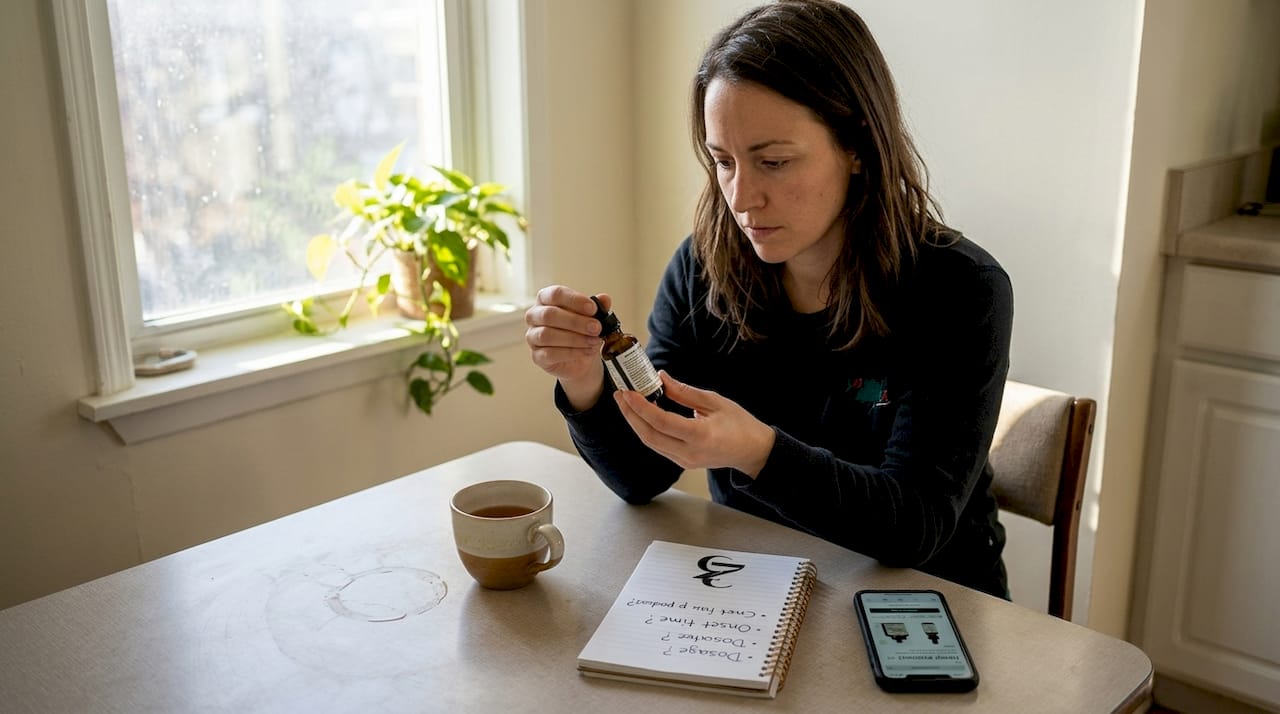
Hemp products come in diverse forms, each designed for specific uses and preferences. Tinctures deliver cannabinoids sublingually through drops under the tongue, offering fast absorption within 15 to 45 minutes. Capsules provide precise dosing and convenience for those who prefer swallowing pills over tasting hemp. Topicals target localized areas through skin application without entering the bloodstream, ideal for muscle recovery or skin health. Edibles like gummies or chocolates offer discreet consumption with longer-lasting effects, though onset takes 60 to 90 minutes.
Absorption rates and bioavailability differ dramatically across product types. Sublingual tinctures bypass digestive metabolism, delivering higher cannabinoid percentages to your system compared to edibles that lose potency during digestion. Topicals work locally but don’t produce systemic effects, making them perfect for targeted relief without full-body impact. Understanding these differences helps you match product forms to your wellness objectives and daily routine.
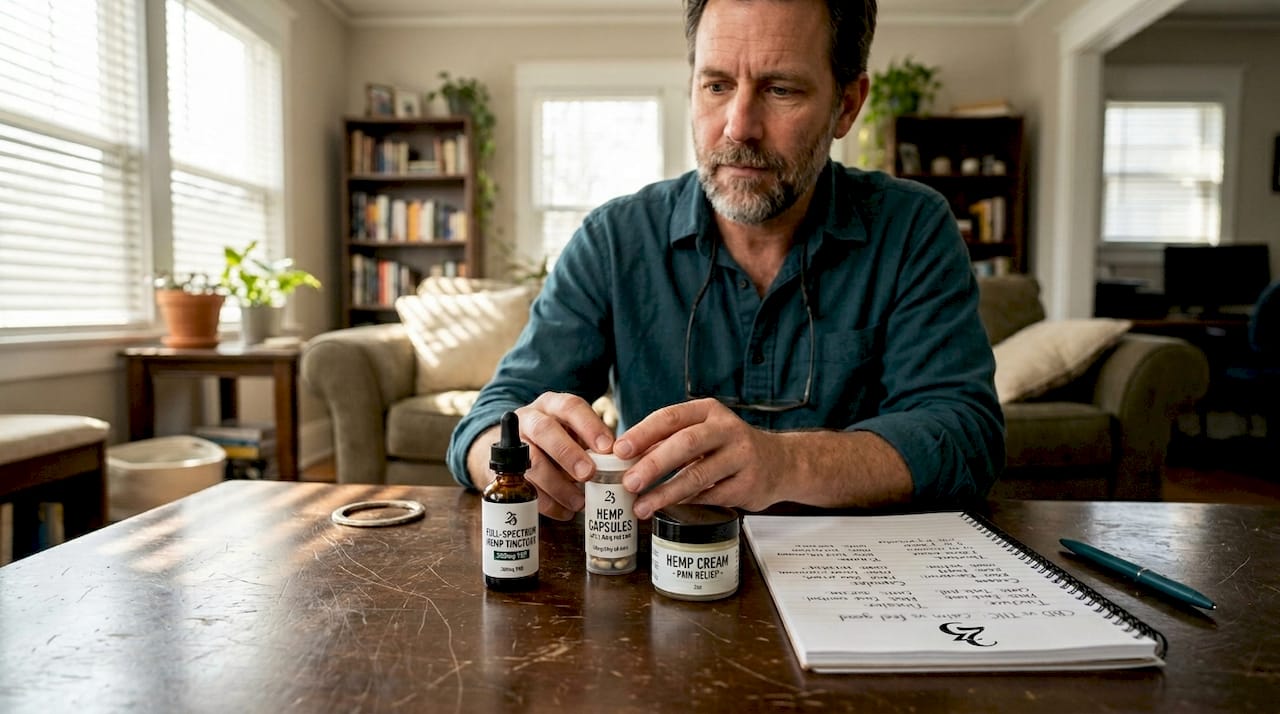
Your lifestyle shapes which product type serves you best. Busy professionals might prefer capsules for consistent dosing without measuring drops. Athletes often choose topicals for post-workout recovery. Those seeking relaxation before bed might opt for edibles that provide sustained effects through the night. Consider when and how you want to use hemp products, then select forms that integrate seamlessly into your schedule.
Additional ingredients enhance or modify hemp product effects. Terpenes, aromatic compounds from plants, can amplify benefits through what researchers call the entourage effect. Some products include other cannabinoids like CBG or CBC for broader wellness support. Melatonin-infused options target sleep specifically, while caffeine combinations aim for focused energy. The official consumer checklist recommends basic quality standards regardless of product type, including clear labeling and verified potency.
Pro Tip: Start with one product type and master it before exploring others. This approach helps you understand your body’s response patterns and establish a baseline for comparing different forms later.
Quality indicators remain consistent across all hemp product categories. Whether you’re buying tinctures or topicals, demand third-party testing, transparent sourcing, and detailed ingredient lists. Learn more about selecting the right product type for your needs through our choosing hemp for wellness resource that breaks down decision factors by wellness goal.
Comparing hemp products: key factors and a handy checklist table
Systematic comparison prevents impulse purchases and buyer’s remorse. Six core factors determine hemp product quality and value: potency, COA availability, extraction method, flavor profile, price per milligram, and additional ingredients. Evaluating each factor creates a complete picture that marketing claims alone can’t provide. This structured approach transforms overwhelming choices into manageable decisions.
| Comparison factor | What to look for | Why it matters | Potential trade-off |
|---|---|---|---|
| Potency | Specific mg amounts per serving | Determines effectiveness and dosing accuracy | Higher potency costs more but lasts longer |
| COA availability | Easily accessible third-party lab results | Verifies safety and label accuracy | None, this is mandatory for quality products |
| Extraction method | CO2 or ethanol extraction preferred | Affects purity and cannabinoid preservation | Advanced methods increase production costs |
| Flavor options | Natural terpenes vs artificial flavoring | Impacts enjoyment and repeat use | Natural flavors may taste earthier than artificial |
| Price per mg | Total cannabinoid mg divided by price | Reveals true value beyond package size | Bulk sizes offer better value but require upfront investment |
| Extra ingredients | Terpenes, other cannabinoids, botanicals | Enhances benefits through synergistic effects | More complex formulas may cause sensitivities |
Extraction method significantly impacts final product quality. CO2 extraction uses pressurized carbon dioxide to pull cannabinoids from hemp without leaving chemical residues, producing clean, potent extracts. Ethanol extraction is also safe and effective when done properly, though it requires careful purification. Avoid products using butane or propane extraction unless the company provides extensive testing proving complete solvent removal.
Price per milligram calculation cuts through packaging tricks and misleading bottle sizes. Divide the total cannabinoid content in milligrams by the product price to find the cost per milligram. A $50 bottle with 1,000mg costs $0.05 per milligram, while a $30 bottle with 300mg costs $0.10 per milligram, making the first option better value despite higher upfront cost. This math reveals which products deliver genuine savings.
Pro Tip: Create a simple spreadsheet with these six factors as columns and product names as rows. Fill it in while shopping to visualize comparisons instantly, making the best choice obvious.
The official consumer checklist supports evaluating these core factors for cannabinoid hemp products. Regulatory guidance confirms that potency verification, extraction transparency, and ingredient disclosure represent minimum quality standards, not optional extras. Use our hemp product comparison factors guide and hemp product comparison workflow to streamline your evaluation process with templates and real-world examples.
Making the final decision: situational recommendations and purchase tips
Confident purchasing requires matching your checklist findings to specific wellness goals. Follow this stepwise approach to narrow options systematically. First, eliminate any products missing COAs or transparency markers, regardless of price or marketing appeal. Second, filter by product type based on your lifestyle needs and preferred consumption method. Third, compare remaining options using the factors table, prioritizing potency verification and extraction quality. Fourth, calculate price per milligram to identify genuine value. Finally, read recent customer reviews focusing on effectiveness and company responsiveness.
Your wellness objectives should drive product selection. Seeking daily wellness support? Choose moderate-potency tinctures or capsules for consistent dosing. Targeting post-workout recovery? Topicals with added botanicals like arnica work well. Looking for occasional relaxation? Edibles provide longer-lasting effects perfect for unwinding. Addressing sleep concerns? Products combining hemp with melatonin or calming terpenes offer targeted support. Each goal suggests different product characteristics and potency levels.
Budget considerations matter, but never compromise on lab verification to save money. Prioritizing transparency and quality over price prevents wasting money on ineffective or unsafe products that seem like bargains. A cheaper product without testing might contain far less cannabinoid content than labeled, making it expensive per actual milligram delivered. Calculate true value using verified potency numbers, not just package prices.
Lifestyle factors influence which products integrate smoothly into your routine. Travel frequently? Capsules pass through security easily and require no measuring. Work in a shared office? Odorless topicals or capsules avoid drawing attention. Have a sensitive palate? Flavored gummies mask hemp’s natural taste. Live with others who don’t use hemp? Discreet forms like capsules or mints maintain privacy. Matching product characteristics to your daily reality increases consistent use and better results.
Pro Tip: Purchase small quantities initially, even if larger sizes offer better value. Testing a product’s effects on your body before committing to bulk purchases prevents expensive mistakes and helps you refine your preferences with minimal financial risk.
Start with lower potencies and adjust upward based on results. New hemp users often assume higher potency means better results, but individual responses vary widely. Beginning with 10 to 15mg servings lets you assess effects without overshooting your needs. You can always take more, but you can’t take less once consumed. Track your experiences in a simple journal noting product, dose, timing, and effects to identify patterns. Explore our essential hemp shopping tips for additional strategies that maximize value while minimizing trial and error.
Discover quality hemp products at 23rd State
Navigating hemp product choices becomes simpler when you shop with brands committed to transparency and quality. 23rd State curates hemp-derived products that meet rigorous standards for purity, potency, and effectiveness. Every item undergoes third-party testing with easily accessible COAs, eliminating guesswork from your purchasing decisions. Whether you’re exploring hemp for the first time or expanding your wellness routine, you’ll find expertly vetted options designed for health-conscious consumers who refuse to compromise on quality.
Beyond products, 23rd State provides educational resources that complement your shopping checklist. Detailed guides, comparison tools, and expert insights help you apply quality criteria confidently across different product types and brands. Customer support stands ready to answer questions and provide personalized recommendations based on your wellness goals. Discover the difference that transparency and expertise make by exploring 23rd State hemp products and reviewing our comprehensive purchasing guide that expands on the checklist principles covered here.
Frequently asked questions
What is hemp-derived CBD and how is it different from marijuana?
Hemp-derived CBD contains less than 0.3% THC, the psychoactive compound that produces marijuana’s high. This low THC level means hemp products won’t intoxicate you while still delivering potential wellness benefits. Marijuana contains much higher THC concentrations, typically 5% to 30%, making it psychoactive and subject to different legal restrictions. Hemp products are federally legal and available in more locations, focusing primarily on wellness applications rather than recreational effects. Learn more through our hemp-derived cannabinoids guide that explains compound differences in detail.
How can I verify the quality and safety of hemp products?
Demand third-party lab test results, called Certificates of Analysis, for every product batch you consider purchasing. These COAs show exact cannabinoid content, confirm THC stays below legal limits, and test for contaminants like heavy metals, pesticides, and mold. The official consumer checklist ensures basic quality standards for cannabinoid hemp products. Additionally, search the brand name with “FDA warning” to uncover any regulatory actions that indicate safety concerns. Reputable companies make COAs easy to find on product pages or provide them immediately upon request. Check our hemp safety explained resource for detailed verification steps.
What are some budget-friendly tips for shopping hemp products?
Purchase smaller product sizes initially to test effectiveness before investing in bulk quantities that offer better per-milligram value. This approach prevents expensive mistakes if a product doesn’t work well for your body chemistry. Watch for seasonal promotions and subscribe-and-save options that reduce costs without sacrificing quality. Always calculate price per milligram of cannabinoids rather than comparing bottle prices alone, as this reveals true value. However, never choose the cheapest option if it lacks third-party testing, as untested products may contain far less active ingredients than claimed, making them poor value regardless of low prices. Visit our hemp buying guide tips for strategies that maximize savings while maintaining quality standards.
How long do hemp products take to work and how long do effects last?
Onset time and duration vary dramatically by product type and individual metabolism. Sublingual tinctures typically take effect within 15 to 45 minutes with effects lasting 4 to 6 hours. Edibles require 60 to 90 minutes for onset but provide longer-lasting effects of 6 to 8 hours. Topicals work locally within 20 to 30 minutes for targeted areas without producing full-body effects. Capsules fall between tinctures and edibles, taking 30 to 60 minutes with 5 to 7 hour durations. Body weight, metabolism speed, whether you’ve eaten recently, and product potency all influence these timelines. Start with lower doses and wait the full expected onset time before taking more to avoid overconsumption.