
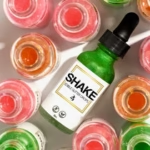
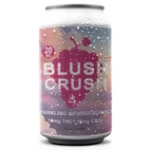
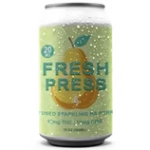
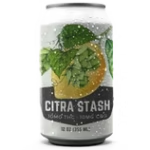



You’ve probably heard that alternative beverages are just trendy gimmicks with no real benefits. That’s a myth. Plant-based milks, fermented drinks, and cannabis-infused beverages deliver genuine wellness advantages backed by research. From gut health to reducing alcohol intake, these options offer more than flavor variety. They represent a shift toward functional hydration and social enjoyment without traditional alcohol’s drawbacks. This guide explores evidence-based benefits, nutritional profiles, and practical tips for health-conscious adults seeking smarter beverage choices that align with modern wellness goals.
Table of Contents
- Key takeaways
- Exploring popular plant-based and fermented alternative beverages
- Cannabis-infused beverages as alternatives to traditional alcohol
- Balancing benefits and risks: what health-conscious consumers should know
- Practical tips for choosing and enjoying alternative beverages safely and effectively
- Explore high-quality alternative beverages with 23rd State
- FAQ
Key Takeaways
| Point | Details |
|---|---|
| Plant based and fermented benefits | Plant based milks, fermented beverages, and cannabis options provide gut health and other wellness benefits supported by research. |
| Fortified nutrition matters | Unfortified plant milks lack calcium and vitamin D, while fortified versions provide calcium and vitamin D per serving. |
| Label reading matters | Nutrient content varies across plant milks, so reading labels helps you choose fortified options. |
| THC beverages reduce alcohol risk | Low dose cannabis drinks provide social buzz with potentially fewer risks than traditional alcohol. |
| Nanoemulsion onset acceleration | Cannabis beverages using nanoemulsion technology deliver effects faster, often within 15 to 30 minutes. |
Exploring popular plant-based and fermented alternative beverages
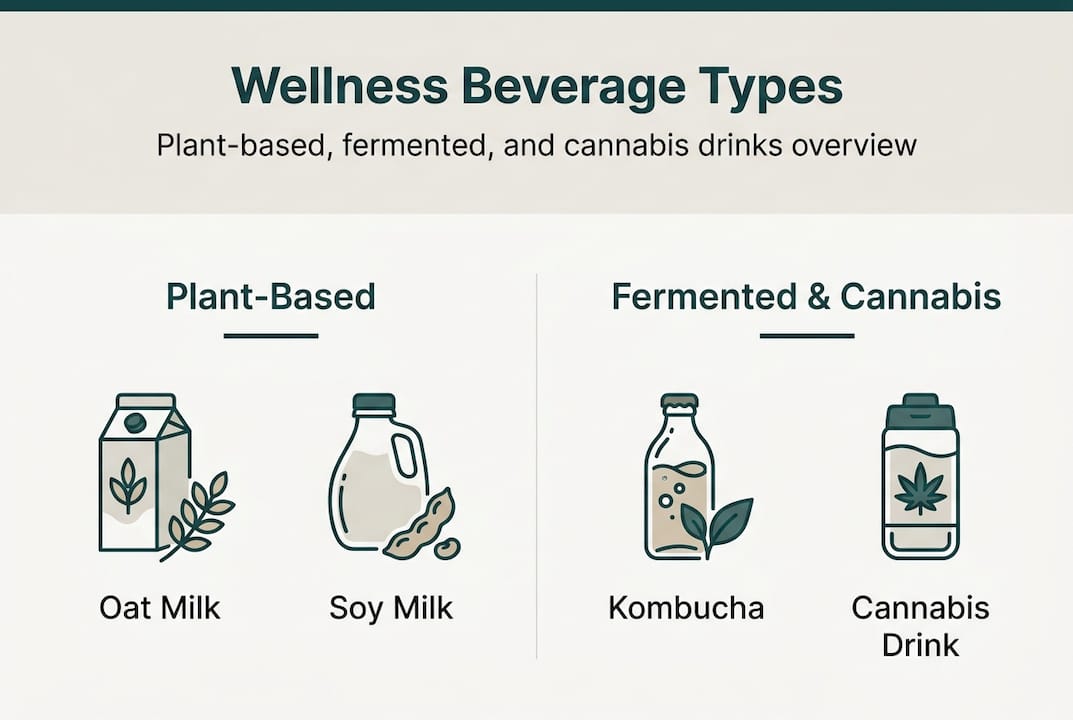
Plant-based milks have exploded in popularity, but not all options deliver equal nutrition. Soy milk stands out with complete protein content matching dairy, while oat milk offers beta-glucans for heart health. Nut-based varieties like almond provide vitamin E but typically contain minimal protein. The nutritional profile varies significantly across types, making label reading essential.
Fortification makes the biggest difference. Unfortified plant milks lack the calcium and vitamin D found naturally in cow’s milk. Fortified versions match or exceed dairy’s nutrient density, providing 300mg calcium and 100 IU vitamin D per serving. This matters for bone health, especially if you’ve eliminated dairy entirely. Check labels for added nutrients rather than assuming all plant milks offer equivalent benefits.
Common plant-based milk options:
- Soy milk delivers 7-9g complete protein per cup with cardiovascular benefits from isoflavones
- Oat milk provides fiber and beta-glucans supporting cholesterol management
- Almond milk offers vitamin E and low calories but minimal protein unless fortified
- Cashew milk creates creamy texture with moderate fat content and natural sweetness
Fermented beverages bring different advantages through microbial activity. Kombucha, a fermented tea, contains probiotics and antioxidants supporting gut microbiome diversity and immune function. The fermentation process creates beneficial acids and enzymes that may improve digestion. Most commercial kombuchas contain 2-4 billion CFUs of probiotics per serving, though heat treatment can reduce live cultures.
Hibiscus water represents another functional option gaining traction. This antioxidant-rich beverage supports cardiovascular health through anthocyanins that may lower blood pressure and reduce inflammation. Studies show regular consumption correlates with improved lipid profiles and weight management support. The tart flavor comes from organic acids that also contribute to its preservative qualities.
| Beverage Type | Key Nutrients | Primary Benefits | Considerations |
|---|---|---|---|
| Soy Milk | Protein, calcium, vitamin D (fortified) | Complete protein, heart health | Potential allergen, GMO concerns |
| Oat Milk | Fiber, beta-glucans, vitamin B12 (fortified) | Cholesterol management, energy | Higher carbs, lower protein |
| Kombucha | Probiotics, B vitamins, organic acids | Gut health, digestion support | Sugar content varies, alcohol traces |
| Hibiscus Water | Anthocyanins, vitamin C, minerals | Blood pressure, antioxidants | Tart taste, may interact with medications |
Limitations exist across categories. Most plant milks contain 1-2g protein unless soy-based, falling short of dairy’s 8g per cup. Emulsifiers and stabilizers like carrageenan appear in many brands to improve texture but may cause digestive issues in sensitive individuals. The rise of THC infused beverages adds another dimension to alternative options worth exploring.
Pro Tip: Choose fortified plant milks with at least 300mg calcium and 100 IU vitamin D per serving. Shake containers before pouring since minerals settle at the bottom, ensuring you get the full nutritional benefit listed on labels.
Cannabis-infused beverages as alternatives to traditional alcohol
Cannabis beverages represent a growing category for adults seeking social enjoyment without alcohol’s effects. These drinks typically contain 2-10mg THC or CBD per serving, designed for controlled dosing and predictable onset. Unlike edibles that take 60-90 minutes to activate, infused beverages using nano-emulsion technology produce effects within 15-30 minutes, mimicking alcohol’s social timeline.

Research reveals significant behavioral shifts among users. People consuming cannabis beverages cut weekly alcohol intake by nearly 50%, with notable reductions in binge drinking episodes. This substitution pattern appears strongest among those seeking harm reduction rather than complete abstinence. The social ritual remains intact while changing the substance and its associated risks.
Characteristics of cannabis beverage users:
- Tend to show lower depression and impulsivity scores compared to heavy alcohol users
- Often motivated by wellness goals and reducing alcohol-related health concerns
- Prefer controlled, predictable dosing over unpredictable edible experiences
- Value social engagement without next-day hangovers or cognitive impairment
Laboratory studies support real-world observations. Controlled trials show acute low-dose THC decreases alcohol consumption during the same session, though craving reduction remains inconsistent across individuals. The mechanism likely involves THC’s effects on reward pathways, creating satisfaction that reduces alcohol-seeking behavior. This doesn’t eliminate alcohol desire entirely but moderates consumption patterns.
Personality factors influence substitution success. Research identifies that users substituting cannabis show distinct traits including lower sensation-seeking and higher health consciousness. These individuals actively pursue alternatives rather than passively reducing intake. Understanding your motivation matters when considering cannabis beverages as alcohol replacements.
“The empirical data suggests cannabis-infused beverages can serve harm reduction functions for individuals looking to moderate alcohol use, though we need longitudinal studies to fully understand long-term health impacts and dependency risks.”
Dosage determines experience quality. Beverages with 2-5mg THC produce mild relaxation and social ease without significant intoxication. The 5-10mg range creates more noticeable psychoactive effects comparable to 1-2 alcoholic drinks. Exceeding 10mg increases impairment risk and potential anxiety, especially for infrequent users. Start low and wait 30-45 minutes before consuming more.
Harm reduction potential exists but requires context. Cannabis beverages avoid alcohol’s liver toxicity, caloric density, and severe withdrawal symptoms. However, THC carries its own considerations including short-term memory effects, coordination impairment, and potential psychological dependence with heavy use. The cannabis beverages changing drinking landscape offer alternatives, not risk-free solutions.
Pro Tip: If you’re new to cannabis beverages, start with 2.5mg THC servings in familiar, comfortable settings. Track your response over 2-3 occasions before increasing dosage, and never combine with alcohol until you understand your individual tolerance.
Balancing benefits and risks: what health-conscious consumers should know
Nutritional gaps create the first concern with plant-based alternatives. Beyond protein deficiencies, many lack iodine essential for thyroid function. Dairy naturally provides iodine through cattle feed and sanitizing solutions, but plant sources contain minimal amounts. Adults need 150mcg daily, and exclusive plant milk consumption without iodized salt or seaweed may create deficiency over time.
Additive profiles deserve scrutiny. Carrageenan, guar gum, and gellan gum stabilize plant milks but may trigger inflammation or digestive upset in sensitive individuals. Natural flavors can mask 20-30g added sugars per serving in flavored varieties. Reading ingredient lists reveals whether you’re drinking fortified nutrition or sweetened water with minimal beneficial compounds.
Common additives to monitor:
- Carrageenan: seaweed-derived thickener linked to gut inflammation in some studies
- Sunflower lecithin: emulsifier generally recognized as safe but may cause reactions
- Natural flavors: catch-all term potentially hiding multiple chemical compounds
- Added sugars: watch for cane sugar, brown rice syrup, or fruit concentrates inflating calories
Functional beverage claims often outpace scientific evidence. Adaptogen-infused drinks promise stress reduction, but human trials remain limited. Collagen beverages claim skin benefits despite digestive breakdown of proteins into amino acids. Probiotic counts sound impressive until you realize many strains die before reaching your gut. Marketing hype exceeds proven outcomes for many trendy formulations.
Experts emphasize lifestyle integration over standalone solutions. Drinking kombucha won’t offset poor diet and sedentary habits. Plant milks support nutrition when part of varied intake including whole foods. The science of cannabis infused drinks shows potential benefits, but they work best alongside comprehensive wellness practices.
| Risk Category | Plant-Based Beverages | Fermented Drinks | Cannabis Beverages |
|---|---|---|---|
| Nutrient Deficiency | Protein, iodine, B12 without fortification | Generally minimal if varied diet | Not applicable |
| Overconsumption Issues | Excess sugar, calories in flavored types | Sugar content, alcohol traces | THC tolerance, dependency potential |
| Additive Concerns | Emulsifiers, stabilizers, flavors | Preservatives in some brands | Artificial flavoring, sugar alcohols |
| Unproven Claims | Superfood marketing, detox myths | Exaggerated probiotic benefits | Wellness claims beyond research |
| Regulatory Gaps | Minimal for established products | Quality varies by producer | Inconsistent testing, potency variation |
Cannabis beverage risks center on dosage and quality control. Expert perspectives emphasize harm reduction potential but caution about higher THC concentrations and unregulated products. Third-party testing reveals potency variations of 20-30% from labeled amounts in some brands. Contamination with pesticides or heavy metals occurs in untested products, creating health hazards beyond psychoactive effects.
Long-term cannabis impacts need more research. While short-term harm reduction appears promising compared to alcohol, we lack 20-30 year longitudinal data on regular THC beverage consumption. Adolescent and young adult use raises concerns about brain development effects. Pregnant individuals should avoid all THC products due to potential fetal impacts.
Pro Tip: Verify cannabis beverage brands use third-party lab testing with certificates of analysis showing exact THC/CBD content, pesticide screening, and heavy metal testing. Reputable producers display batch-specific results via QR codes or website databases.
Practical tips for choosing and enjoying alternative beverages safely and effectively
Label literacy separates smart choices from marketing traps. Compare nutrition facts panels rather than front-of-package claims. Look for fortified plant milks providing 20-30% daily value for calcium, vitamin D, and B12. Check sugar content, aiming for under 6g per serving in unsweetened varieties. Ingredient lists should be short, with recognizable components you could find in a kitchen.
Step-by-step label evaluation:
- Check serving size first since some bottles contain 2-3 servings but appear single-serve
- Verify protein content meets your needs, targeting 7-8g for milk alternatives used in coffee or cereal
- Confirm fortification levels match or exceed dairy equivalents if replacing milk entirely
- Scan ingredients for additives you want to avoid based on personal sensitivities
- Compare sugar content across brands, selecting lowest options for daily consumption
- Review allergen warnings if you have sensitivities to soy, tree nuts, or other common ingredients
Cannabis beverage dosing requires conservative approaches. Start with 2.5-5mg THC for beginners, consuming on a full stomach to moderate absorption speed. Wait 45 minutes before considering additional intake, since effects build gradually. Keep a consumption log noting dosage, timing, and effects to identify your optimal range. Never drive or operate machinery within 6-8 hours of consumption.
Diet integration maximizes benefits. Pair plant milks with whole grain cereals for complete nutrition. Drink kombucha with meals to support digestion rather than on an empty stomach. Use fortified beverages in smoothies with fruits and vegetables for nutrient synergy. The health benefits of THC drinks emerge most clearly when supporting overall healthy patterns.
Product quality varies dramatically by brand and price point. Budget plant milks often use minimal ingredients and skip fortification. Premium fermented drinks maintain live cultures through cold chain management. Cannabis beverages from licensed dispensaries undergo mandatory testing unlike hemp-derived products in some jurisdictions. Investment in quality products delivers better nutrition and safety outcomes.
Pro Tip: Store opened plant milks for only 7-10 days regardless of date stamps, since fortified nutrients degrade and separation occurs. Shake vigorously before each use and smell before consuming, discarding any with sour odors indicating spoilage.
Social settings benefit from intentional substitution strategies. Replace happy hour cocktails with 5mg THC sparkling water for similar relaxation without alcohol’s dehydration. Bring your own kombucha to gatherings where you want flavor variety beyond water. Explain your choices confidently when others ask, focusing on personal wellness goals rather than judging their selections.
Avoid high-risk products entirely. Cannabis edibles or beverages exceeding 10mg per serving create unpredictable experiences for most users. Unregulated CBD drinks may contain undisclosed THC or contaminants. Functional beverages making disease treatment claims violate FDA guidelines and lack credible evidence. Stick with established brands using transparent sourcing and testing.
Explore high-quality alternative beverages with 23rd State
Finding trustworthy sources for alternative beverages simplifies your wellness journey. 23rd State curates premium cannabis-infused drinks and related products designed for health-conscious adults seeking quality and consistency. Every item undergoes rigorous testing to ensure accurate dosing and purity, eliminating guesswork from your experience.
Beyond products, 23rd State provides educational resources helping you stay current on cannabis beverage trends and emerging research. Whether you’re exploring low-dose THC options as alcohol alternatives or seeking hemp-derived wellness beverages, their selection emphasizes craft quality and transparent sourcing. Integrate these alternatives into your lifestyle with confidence, knowing each product meets strict quality standards supporting your health goals.
FAQ
What are the healthiest plant-based alternative beverages?
Fortified soy milk and oat milk typically offer the best nutritional profiles among plant-based options. Soy provides complete protein matching dairy while oat delivers heart-healthy fiber and beta-glucans. Fermented drinks like kombucha add probiotic benefits supporting gut microbiome diversity. Always check labels for fortification with calcium, vitamin D, and B12 to match dairy’s nutrient density. Choose unsweetened varieties with under 6g sugar per serving, avoiding products with excessive additives or stabilizers that may cause digestive issues.
How do cannabis-infused beverages compare to traditional alcohol?
Cannabis beverages offer social relaxation with different risk profiles than alcohol. Research shows users reduce weekly alcohol intake by nearly 50% when substituting with low-dose THC drinks. Unlike alcohol’s liver toxicity and severe hangovers, cannabis beverages avoid these specific harms while creating mild psychoactive effects. However, THC carries its own considerations including short-term memory impacts and coordination impairment. Long-term health effects need more study compared to alcohol’s well-documented risks. Best used as harm reduction tools rather than risk-free replacements, especially at doses of 10mg THC or less.
Are there risks associated with consuming alternative beverages?
Yes, several risks exist depending on beverage type. Unfortified plant milks lack essential nutrients like protein, calcium, iodine, and vitamin D, potentially causing deficiencies with exclusive use. Functional drinks often overstate benefits without solid scientific backing, wasting money on unproven claims. High-THC cannabis products carry psychoactive and potential dependency risks, especially above 10mg per serving. Quality varies dramatically, with unregulated products potentially containing contaminants or inaccurate labeling. Always read labels carefully, choose third-party tested cannabis beverages, and consult healthcare providers about interactions with medications or health conditions before making significant dietary changes.
Recommended
- Top 5 CBG Infused Drinks Comparison 2026 for Wellness Seekers – 23rd State
- 7 Best Hemp Wellness Drinks of 2025 — Expert Reviews & Winner Picks – 23rd State
- Enhanced Water Beverages: Hydration and Wellness Trends | 23rd State
- Sip and Chill: How Cannabis Beverages Are Changing the Way We Drink – 23rd State