





Many people believe CBD either works instantly for stress relief or doesn’t work at all, but the reality is far more nuanced. CBD’s effects on relaxation depend on multiple biological pathways, product quality, dosage, and individual factors that science is still unraveling. This article explores how CBD interacts with your body to potentially reduce stress, what current research reveals about its effectiveness, and practical strategies for using CBD safely as part of your natural wellness routine.
Table of Contents
- How Cbd Interacts With The Body’s Relaxation Pathways
- Evaluating Scientific Evidence: What Research Says About Cbd For Relaxation And Anxiety
- Distinguishing Cbd From Other Cannabinoids And Products For Relaxation
- Practical Guidance: Using Cbd Safely And Effectively For Relaxation
- Explore Trusted Cbd Products For Natural Relaxation
- Frequently Asked Questions
Key takeaways
| Point | Details |
|——-|———||
| CBD influences relaxation through the endocannabinoid system and serotonin pathways, affecting stress response in the brain. |
| Research shows promising but mixed results, with effectiveness varying based on dosage, product quality, and individual biology. |
| High-quality, third-party tested CBD products and careful dosing strategies increase the likelihood of positive outcomes. |
| CBD differs from THC by not causing intoxication, making it a preferred option for those seeking relaxation without psychoactive effects. |
| Starting with low doses and consulting healthcare professionals ensures safer, more effective CBD use for stress management. |
How CBD interacts with the body’s relaxation pathways
Your body has a built-in system designed to regulate stress, mood, and emotional balance called the endocannabinoid system (ECS). This network consists of CB1 and CB2 receptors distributed throughout your brain and body, playing a crucial role in how you respond to stressful situations. Endocannabinoid signaling modulates stress responsivity and behavioral responses, providing the biological foundation for CBD’s potential calming effects.
CBD is what scientists call a ‘promiscuous’ molecule because it doesn’t just target one specific receptor. Instead, CBD affects multiple molecular targets underpinning its anxiolytic and neuroprotective action. This includes indirect influence on the ECS and direct interaction with serotonin receptors, particularly 5-HT1A, which are critical for mood regulation and anxiety reduction.
The complexity of these pathways helps explain why CBD’s effects vary among individuals. When you consume CBD, it interacts with CB1 and CB2 receptors impacting mood regulation, but it does so indirectly by enhancing your body’s own endocannabinoids rather than binding strongly to these receptors itself.
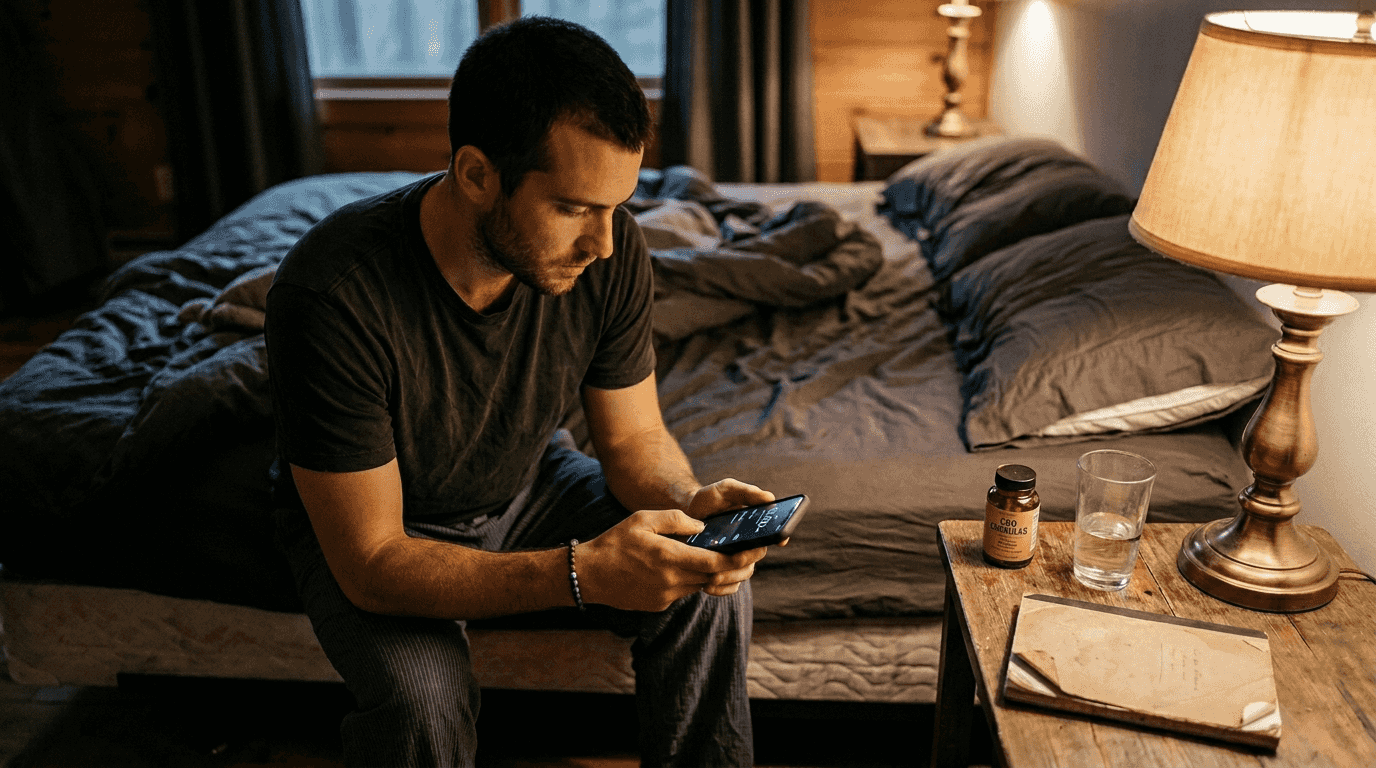
Several brain circuits influenced by ECS signaling work together to modulate your stress response and avoidance behaviors. These circuits communicate with regions responsible for emotional processing, fear responses, and decision making under stress. Understanding these mechanisms clarifies why CBD may promote relaxation for some people while others experience minimal effects.
Pro Tip: CBD’s interaction with serotonin pathways is particularly interesting because it may complement other wellness practices that boost serotonin naturally, such as regular exercise and sunlight exposure. Exploring the role of CBG in mood can provide additional insights into cannabinoid effects on emotional well-being.
Key factors that influence CBD’s effectiveness include:
- Individual variations in ECS receptor density and distribution
- Baseline stress levels and existing anxiety conditions
- Concurrent use of other medications or supplements
- Quality and composition of the CBD product used
- Timing and consistency of CBD administration
Evaluating scientific evidence: what research says about CBD for relaxation and anxiety
Clinical research on CBD for anxiety has produced both encouraging findings and important limitations. In a phase 3 randomized controlled trial, CBD showed a 73% reduction in anxiety scores for participants with mild to moderate anxiety disorders. This substantial improvement suggests real therapeutic potential when proper dosing protocols are followed.
However, the broader scientific picture remains complex. Medicinal cannabis shows promise for anxiety but lacks the long-term rigorous data needed to make definitive claims about its effectiveness across diverse populations. Study designs vary widely in terms of dosage, duration, participant characteristics, and outcome measures, making it challenging to compare results directly.
One particularly important finding reveals that low-dose CBD treatments exhibited substantial placebo responses in stress reduction studies. This highlights a critical consideration: the dosage matters significantly, and insufficient amounts may produce effects indistinguishable from placebo.
“CBD is not a guaranteed cure for anxiety or stress, but it may offer meaningful benefits for some individuals when used appropriately alongside other therapeutic approaches and lifestyle modifications.”
The evidence suggests several key insights about CBD’s role in relaxation:
- Higher doses, typically 300mg or more per session, tend to produce more consistent anxiolytic effects in clinical settings
- Individual responses vary widely based on genetics, metabolism, and existing health conditions
- Combining CBD with cognitive behavioral therapy or mindfulness practices may enhance overall outcomes
- Product quality and accurate dosing significantly influence whether users experience benefits
Researchers continue investigating optimal dosing ranges, delivery methods, and which specific anxiety subtypes respond best to CBD intervention. If you’re interested in understanding how these findings translate to real-world use, exploring cannabis for anxiety evidence provides practical context for the science.
The current state of research emphasizes that CBD should be viewed as one potential tool in a comprehensive stress management approach rather than a standalone solution. Quality studies continue to emerge, gradually building a clearer picture of when, how, and for whom CBD offers the most benefit.
Distinguishing CBD from other cannabinoids and products for relaxation
Understanding what makes CBD unique among cannabinoids helps you make informed decisions about which products suit your wellness goals. CBD is non-intoxicating unlike THC and is available in many product forms, making it accessible for those seeking relaxation without altered consciousness or impairment.
THC produces psychoactive effects by directly binding to CB1 receptors in your brain, creating the characteristic “high” associated with cannabis use. CBD, in contrast, modulates these receptors indirectly and counteracts some of THC’s intoxicating properties. This fundamental difference explains why CBD appeals to people prioritizing mental clarity while managing stress.
| Feature | CBD | THC | CBG |
|---|---|---|---|
| Intoxication | None | Yes | None |
| Primary effect | Calming, potential anxiety reduction | Euphoria, altered perception | Alertness, potential mood support |
| Legal status (federal) | Legal if hemp-derived | Restricted in many states | Legal if hemp-derived |
| Best for | Daily stress management | Recreational or specific medical use | Daytime wellness support |
Common CBD product forms include oils and tinctures for sublingual use, capsules for convenient dosing, edibles for longer-lasting effects, vapes for rapid onset, and topical preparations for localized application. Each delivery method affects how quickly CBD enters your system and how long effects persist.
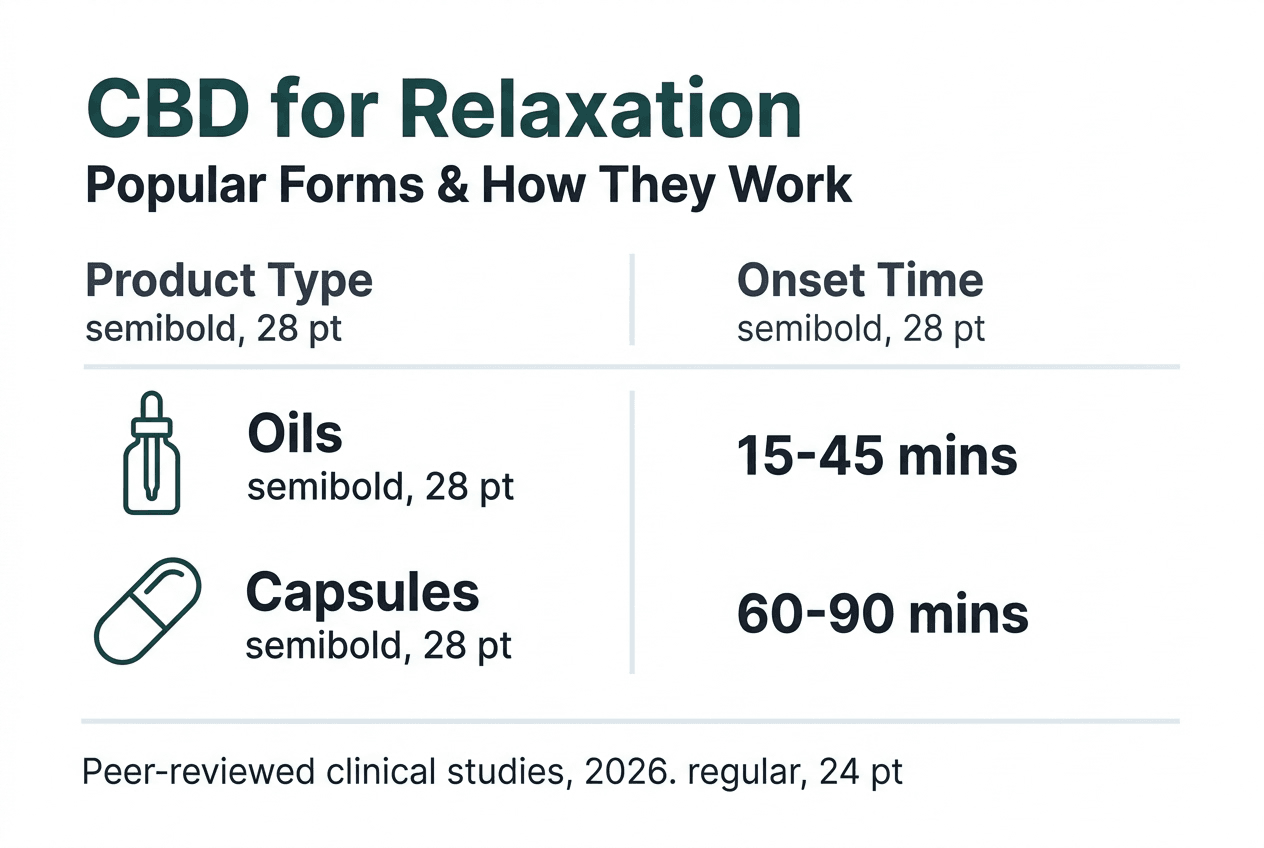
Product quality represents a critical concern in the CBD market. Research shows that nearly half of online CBD products may have inaccurate CBD levels, with 20% containing THC despite labeling claims. This inconsistency creates risks for consumers seeking reliable dosing and those who must avoid THC for employment or legal reasons.
To navigate the CBD marketplace safely:
- Seek products with certificates of analysis from independent third-party laboratories
- Verify that labels match actual cannabinoid content and confirm THC levels
- Choose reputable brands with transparent sourcing and manufacturing practices
- Start with simpler formulations before trying complex blends
- Research the difference between THC and CBD to understand their distinct properties
Pro Tip: Full-spectrum CBD products contain trace amounts of THC (under 0.3%) and other cannabinoids that may work together synergistically. Broad-spectrum contains multiple cannabinoids without THC, while isolate is pure CBD. Your choice depends on personal preferences and sensitivity to other compounds.
The variety of available products means you can tailor your approach based on lifestyle needs, desired onset time, and duration of effects. Understanding these distinctions empowers you to select options aligned with your specific relaxation and stress management goals.
Practical guidance: using CBD safely and effectively for relaxation
Implementing CBD into your wellness routine requires thoughtful planning and attention to safety considerations. The key principle is to start low and go slow with dosing to mitigate adverse effects when using CBD. This approach allows you to identify your personal effective dose while minimizing potential side effects.
Begin your CBD journey with these steps:
- Start with 5 to 10mg of CBD and maintain this dose for at least a week while monitoring your response carefully.
- Keep a simple journal tracking dose amount, timing, effects noticed, and any side effects experienced.
- Increase the dose by 5mg increments weekly if desired effects aren’t achieved, up to a maximum of 70mg daily without medical supervision.
- Maintain consistency in timing and product type to accurately assess what works for your individual needs.
- Allow at least 4 to 6 weeks of consistent use before concluding whether CBD benefits your stress management.
Be prepared for potential mild side effects. Adverse drug reactions to CBD include mild somnolence, decreased appetite, and elevated liver enzymes in some individuals. While serious adverse events are rare with appropriate dosing, awareness of possibilities helps you respond appropriately.
Medication interactions require special attention. CBD inhibits certain liver enzymes responsible for metabolizing many common medications, potentially increasing their blood levels and effects. If you take prescription medications, particularly blood thinners, antidepressants, or seizure medications, consult your healthcare provider before starting CBD.
Incorporate CBD as part of a comprehensive relaxation strategy:
- Combine CBD use with proven stress reduction techniques like deep breathing exercises and progressive muscle relaxation
- Maintain regular sleep schedules and physical activity to support your body’s natural stress response systems
- Consider timing CBD doses strategically, such as in the evening if sleep quality concerns you
- Stay hydrated and maintain balanced nutrition to support overall wellness
- Review the cannabis role in relaxation for additional context on integrating cannabinoids into holistic wellness practices
Pro Tip: Keeping your CBD products in a cool, dark place preserves their potency and extends shelf life. Exposure to heat and light degrades cannabinoids over time, potentially reducing effectiveness.
Patience is essential when evaluating CBD’s impact on your stress levels. Unlike pharmaceutical anxiolytics that may work rapidly, CBD’s effects often build gradually as your endocannabinoid system adjusts. Some people notice benefits within days, while others require several weeks of consistent use before experiencing meaningful changes.
Consulting healthcare providers experienced in CBD use offers personalized guidance tailored to your specific health profile, medications, and wellness goals. This professional support proves especially valuable if you have complex health conditions or take multiple medications.
Explore trusted CBD products for natural relaxation
Now that you understand how CBD works and how to use it safely, finding reliable products becomes your next step. The CBD market’s rapid growth has created challenges in identifying high-quality options that deliver consistent results. 23rd State addresses these concerns by offering carefully curated CBD selections specifically designed for relaxation and stress relief.
Our product line emphasizes transparency, third-party testing, and accurate labeling to ensure you receive exactly what you expect. Whether you prefer oils, edibles, or other delivery methods, 23rd State provides options tailored to different lifestyles and preferences. Each product includes clear dosing information and certificates of analysis, removing guesswork from your wellness journey.
Explore trusted CBD products backed by quality assurance and customer support ready to answer your questions. We understand that navigating CBD choices can feel overwhelming, which is why our team offers educational resources and personalized guidance to help you find the right fit. Your path to natural stress relief deserves products you can trust and a partner committed to your wellness success.
Frequently asked questions
What is the role of CBD in relaxation?
CBD may reduce anxiety and promote calmness by interacting with your endocannabinoid system and serotonin receptors in the brain. Effects vary significantly among individuals based on genetics, dosage, and product quality. Most people find that consistent use over several weeks provides clearer insight into CBD’s personal benefits. Starting with lower doses and adjusting gradually helps identify your optimal amount for stress management, and exploring cannabis for relaxation basics offers additional foundational knowledge.
Is CBD safe to use for stress and relaxation?
CBD is generally safe at appropriate doses, with mild side effects like drowsiness or digestive changes possible in some users. Serious adverse events are rare when following recommended dosing guidelines. Interactions with certain medications, particularly those metabolized by liver enzymes, require caution and professional medical advice before starting CBD supplementation.
How should I choose the right CBD product?
Opt for third-party tested products with certificates of analysis confirming cannabinoid content and purity. Consider your preferred delivery method, desired onset time, and whether you want full-spectrum, broad-spectrum, or isolate formulations. Source reliability matters significantly, so choose established brands with transparent manufacturing practices and positive customer feedback.
How long does CBD take to work for relaxation?
Onset time varies by delivery method: vaping works within minutes, sublingual oils in 15 to 45 minutes, and edibles in 1 to 2 hours. Effects typically last 2 to 6 hours depending on dose and metabolism. For stress management, consistent daily use over several weeks often produces more noticeable benefits than single doses, as your endocannabinoid system gradually adapts to supplementation.
Can I use CBD with other relaxation techniques?
Yes, combining CBD with proven stress reduction methods like meditation, yoga, or breathing exercises may enhance overall relaxation outcomes. CBD works best as part of a holistic wellness approach rather than a standalone solution. Many users find that CBD supports their existing stress management practices by promoting a calmer baseline state that makes other techniques more effective.